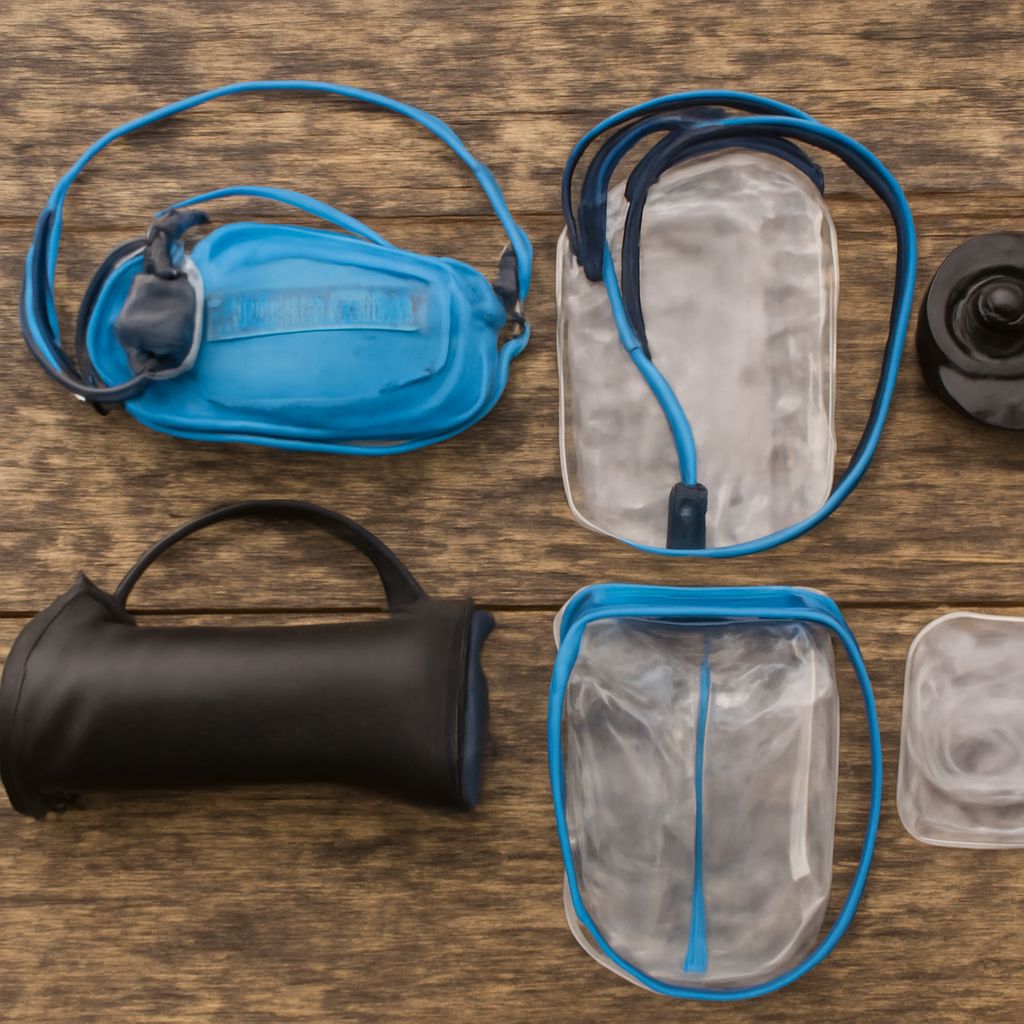
Finding the best hydration bladder can significantly improve your hiking experience, providing convenient, hands-free access to water while on the move. The best water bladder options balance durability, ease of use, leak resistance, and cleaning convenience. This guide highlights top-rated hydration bladders for hiking, explains critical selection factors, details the primary benefits of water bladders, and offers care tips to extend your gear’s lifespan.
Top 5 Best Hydration Bladders for Hiking
The following hydration bladders stand out in 2024 for their combination of design, reliability, and value. Each model is favored by hikers for specific features and long-term performance.
-
1. Osprey Hydraulics Reservoir
The Osprey Hydraulics Reservoir is renowned for its thoughtful design, featuring a rigid backplate that maintains shape and prevents sloshing. Its wide opening makes filling and cleaning straightforward. The magnetic bite valve attachment ensures the hose stays in place, while the reliable locking mechanism minimizes leaks. -
2. CamelBak Crux Reservoir
The CamelBak Crux is one of the best water bladder choices due to its high flow rate and easy-to-open leak-proof cap. The ergonomic handle simplifies refills, and the quick-release hose allows for easy removal. CamelBak’s lifetime guarantee underscores its durability. -
3. Platypus Big Zip EVO
Favored for its broad zippered opening, the Platypus Big Zip EVO is easy to clean and fill. It delivers a strong water flow and includes a quick-disconnect hose for fast pack removal. Its durable, taste-free material keeps water fresh on long treks. -
4. Gregory 3D Hydro Reservoir
The Gregory 3D Hydro Reservoir uses a unique 3D design that dries faster and resists mold growth. Its handle provides stability during filling, and a built-in drying hook assists with post-use cleaning. The SpeedClip system makes installation in compatible packs simple. -
5. HydraPak Shape-Shift Reservoir
This flexible and lightweight bladder features a flexible baffle that minimizes sloshing and allows for a compact profile. The fully reversible design means thorough cleaning and drying are easy, and durable construction supports tough conditions.
Each of these options represents the best hydration bladder for hiking, with models tailored for different needs—whether quick cleaning, reduced slosh, high flow, or pack compatibility is the priority.
What to Look for in a Hydration Bladder
When choosing the best hydration bladder, consider the following critical features to ensure compatibility with your backpack and hiking style:
- Capacity: Common sizes range from 1.5 to 3 liters. A 2-liter bladder suits most day hikes, while longer treks may require a 3-liter capacity.
- Opening Type: Wide-mouth openings or zippered designs facilitate easier filling, adding ice, and thorough cleaning after use.
- Material Quality: Look for BPA- and PVC-free options with taste-free linings and strong seams to prevent leaks or punctures in rough terrain.
- Hose and Bite Valve: A high-flow bite valve with a locking mechanism reduces leaks and makes drinking effortless. Quick-disconnect hoses are advantageous for cleaning and pack removal.
- Ease of Cleaning: Fully reversible or wide-opening reservoirs simplify cleaning and drying, reducing the risk of mold or bacteria growth.
- Weight and Pack Compatibility: Lightweight designs minimize overall pack weight. Check for compatibility with your backpack’s hydration sleeve and hose routing.
Prioritize features according to your hiking habits. For example, hikers in hot climates or those prone to long stretches without water sources will benefit from a larger bladder and insulated hose. Meanwhile, day hikers may prefer lightweight models with quick cleaning features.
Best Uses and Benefits of Water Bladders
Hydration bladders offer distinct advantages over traditional water bottles, both in terms of hydration efficiency and backcountry convenience:
- Hands-Free Drinking: Sip from the hose while on the move, eliminating the need to stop and unpack water bottles.
- Encourages Regular Hydration: Easy access leads to more frequent sips, helping maintain optimal hydration levels during strenuous activity.
- Space Efficiency: Bladders mold to the shape of your backpack, making better use of available space and balancing weight distribution.
- Versatile Applications: Beyond hiking, the best water bladder models are ideal for trail running, cycling, backpacking, and long-distance travel.
Most hydration bladders are engineered for use in a range of outdoor conditions, including cold-weather hiking. Some offer insulated sleeves or tubes to help prevent freezing, while others are designed to minimize sloshing and noise, which is valuable for trail runners and wildlife enthusiasts seeking quiet movement.
Care and Maintenance Tips
Proper care extends the life and performance of your hydration bladder. Follow these steps to keep your reservoir clean, functional, and free from unpleasant odors:
- Regular Cleaning: Rinse the bladder, hose, and bite valve with warm water after every use. For deeper cleaning, use mild soap or specialized cleaning tablets.
- Drying: Air dry thoroughly before storage to prevent mold growth. Hang the bladder upside down with the cap off or use a drying rack or hanger.
- Deep Cleaning: For persistent stains or odors, fill with a mixture of warm water and baking soda or lemon juice. Allow it to soak, then scrub gently with a reservoir brush.
- Check for Wear: Regularly inspect seams, hoses, and bite valves for signs of wear or leaks, and replace parts as needed.
Store the hydration bladder with the cap off in a cool, dry place. For longer-term storage, some users freeze their bladders to inhibit bacterial growth. Consistent maintenance will ensure every hiking trip is supported by reliable, fresh hydration.