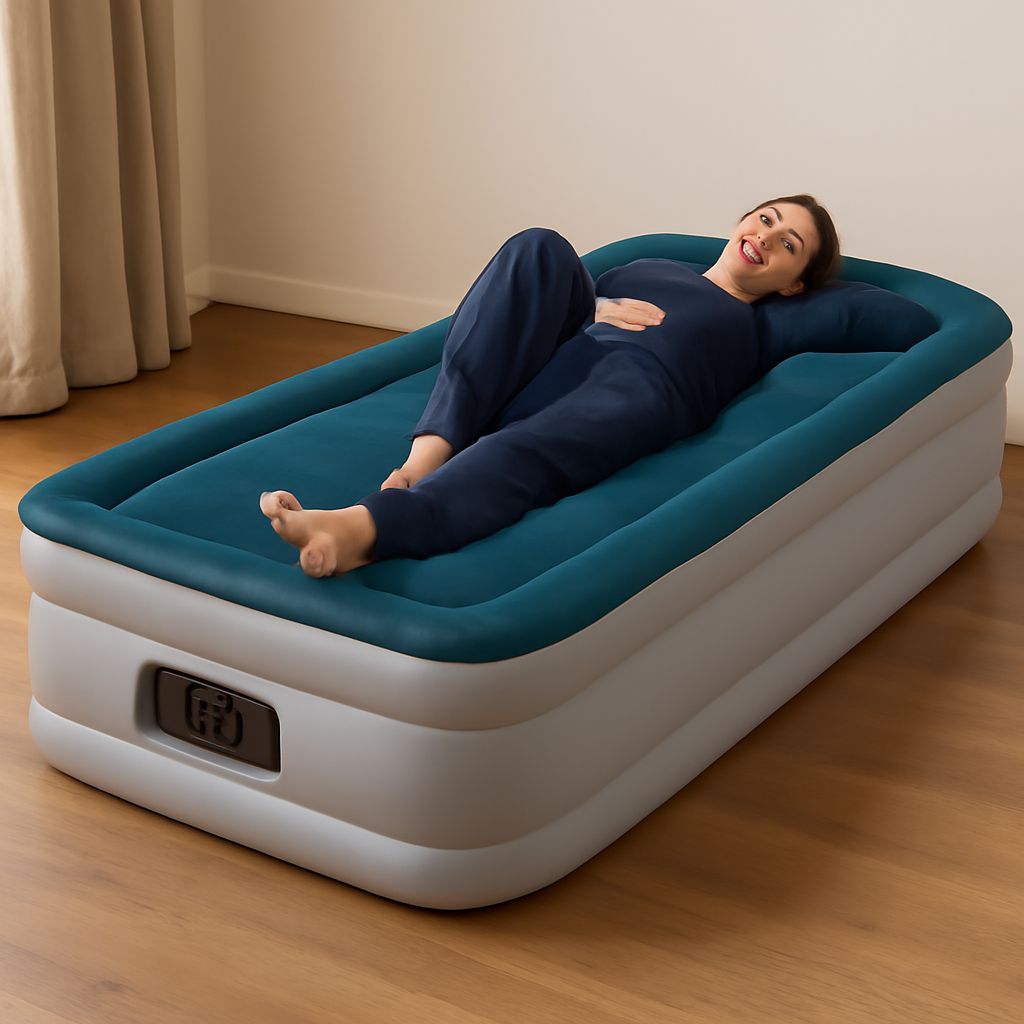
Choosing the best inflatable mattress can make the difference between a restful night and a rough morning on the trail. Today’s air mattresses combine comfort, support, and portability, making them an essential item for hikers seeking reliable sleep outdoors. This guide compares the best air mattress options for hiking, highlights key self-inflating models, and explains how to select the right product based on your adventure’s demands.
Our Top Picks for the Best Inflatable Mattress
When searching for the best inflatable mattress for hiking, several leading brands consistently earn top marks for comfort, durability, and ease of use. Here are four standout options that offer distinct benefits for different hikers:
- NEMO Tensor Ultralight Insulated Sleeping Pad: This air mattress best suits ultralight backpackers, weighing just under one pound in its regular size. Its insulated construction offers warmth on chilly nights, while the Laylow zero-profile valve allows for precise inflation and quick deflation.
- Therm-a-Rest NeoAir Xlite NXT: Known for its excellent warmth-to-weight ratio, the NeoAir Xlite NXT is a favorite among long-distance hikers. It features a compact packed size and a 4-inch thickness, providing both comfort and insulation for rugged conditions.
- Sea to Summit Comfort Plus Insulated: With dual layers of air chambers, this mattress lets users fine-tune firmness and provides a safety backup in case of puncture. The material is both robust and lightweight, making it ideal for hikers who prioritize both reliability and comfort.
- Exped SynMat HL: This model combines synthetic insulation with a tapered design to save weight and space in your pack. The included pump sack doubles as a dry bag, and its 2.8-inch thickness offers substantial comfort for side sleepers.
Each of these mattresses balances weight, packability, and comfort, qualifying them as the best air mattress choices for hikers who don’t want to compromise sleep quality in the backcountry.
Key Features to Look For in an Air Mattress
Before purchasing an inflatable mattress, consider several critical features to ensure your selection aligns with your hiking style and environmental needs:
- Weight and Packability: The best inflatable mattress for hiking should pack down small and weigh under two pounds for easy transport. Ultralight models reduce pack burden without sacrificing support.
- Insulation (R-value): The R-value measures how well a mattress resists heat loss to the ground. For three-season hiking, look for an R-value of 3 or higher. For colder trips, aim for 4 or above.
- Thickness and Comfort: Thickness of 2 inches or more generally provides enough cushioning for side sleepers and bumpy ground. The best air mattresses use horizontal or vertical baffles to minimize movement and improve comfort.
- Durability and Materials: Seek out reinforced nylon or polyester with a denier rating above 30D for a good balance of strength and weight. Welded seams and anti-microbial coatings add to longevity.
- Inflation System: Modern air mattresses use flat or one-way valves for faster, easier inflation and deflation. Some include pump sacks or integrated foot pumps to reduce breath inflation and improve hygiene.
Prioritizing these elements ensures your mattress delivers both the comfort and reliability needed for multi-day treks.
Comparing the Best Self-Inflating Air Mattresses
Self-inflating mattresses provide a unique blend of foam cushioning and air support. When evaluating the best self inflating air mattress options, consider the following models:
- Therm-a-Rest ProLite Apex: This mattress blends self-inflating foam with air channels for a firm, comfortable sleep and a moderate R-value of 3.8. It’s light enough for backpacking and reliable for all but the coldest trips.
- REI Co-op Trailbreak Self-Inflating Sleeping Pad: An affordable, beginner-friendly option, the Trailbreak provides 1.5 inches of foam for comfort and insulation. While heavier than air-only pads, it excels in car camping and short hikes.
- Sea to Summit Comfort Light SI: Featuring Delta Core foam technology, this pad offers a balance of low weight, compact size, and self-inflating convenience. The 2-inch thickness and R-value of 3.1 make it a versatile choice for three-season use.
The self-inflating mechanism makes setup quicker and less effort-intensive than traditional air mattresses. For hikers seeking a mattress that combines air adjustability with foam structure, these self-inflating air mattresses provide a comfortable solution, especially for those prioritizing convenience and warmth.
How to Choose the Right Air Mattress for Your Hiking Adventure
Selecting the right air mattress involves matching product features to your specific hiking conditions, comfort preferences, and pack weight requirements. Here are some practical steps to guide your decision:
- Identify the Primary Use: For long-distance hiking, prioritize weight and packed size. For weekend or basecamp trips, comfort and durability may take precedence.
- Check Temperature Ratings: Match the mattress’s R-value to the lowest expected nighttime temperature. Colder conditions demand higher R-values and more insulation.
- Evaluate Ease of Use: Choose a mattress with an inflation method that suits your needs. Self-inflating pads save time and effort, while air-only models offer lighter weights and more compact storage.
- Consider Sleeping Preferences: Side sleepers may prefer thicker, wider pads for hip comfort. Back sleepers can often use lighter, narrower mattresses.
- Test for Fit: Ensure the mattress length and width match your body size and fit inside your tent or shelter setup.
By prioritizing these factors, hikers can confidently select the air mattress best suited to their adventure—whether that means the lightest inflatable, the most comfortable self-inflating air mattress, or a balance of both attributes for versatile outdoor sleep.