Sahale Arm is widely regarded as one of Washington State’s most breathtaking hikes, drawing outdoor enthusiasts to the heart of North Cascades National Park. Known for panoramic views, alpine meadows, and a rewarding approach to Sahale Glacier, the trail delivers a complete mountain experience. Hikers start from Cascade Pass, ascending into high country where wildflowers, rugged peaks, and frequent wildlife sightings are all part of the adventure. This essential guide covers what makes Sahale Arm unique, route details, the Cascade Pass to Sahale Arm experience, and practical planning tips to ensure a safe and memorable journey.
What Makes Sahale Arm a Must-Do Hike?
Sahale Arm stands out among Washington’s best hikes due to its combination of accessible trailhead, spectacular scenery, and the sense of alpine wilderness achieved in a single day. The hike offers continuous views of jagged peaks, including Johannesburg Mountain, Eldorado Peak, and the Quien Sabe Glacier, with the path itself winding through flower-filled meadows and rocky ridgelines. As hikers ascend, the landscape transitions from old-growth forest to subalpine and finally glacial terrain, offering a rewarding diversity of ecosystems in under 12 miles round-trip.
The trail is especially celebrated for its consistently stunning vistas. At every stage, hikers encounter dramatic perspectives over the Stehekin Valley and the surrounding North Cascades. Wildlife sightings are common—mountain goats, marmots, and ptarmigans frequently dot the upper slopes, while black bears sometimes roam the meadows. Late July through September is peak hiking season, when snow has receded from the Sahale Arm trail and wildflowers are at their brightest.
Many consider the journey to Sahale Glacier Camp, perched at nearly 7,600 feet, to be among the most beautiful single-day or overnight destinations in the state. The campsite views stretch across glaciated valleys and rugged summits, making the strenuous ascent worthwhile for both day hikers and backpackers.
Sahale Arm Trail Overview and Route Details
The Sahale Arm trail begins at the Cascade Pass trailhead, located at the end of the Cascade River Road. From the trailhead, hikers first climb a series of 30-35 well-maintained switchbacks through dense old-growth forest, gaining steady elevation with each turn. After 3.7 miles, Cascade Pass itself is reached—this is a popular destination, but for those continuing, the true highlight is yet to come.
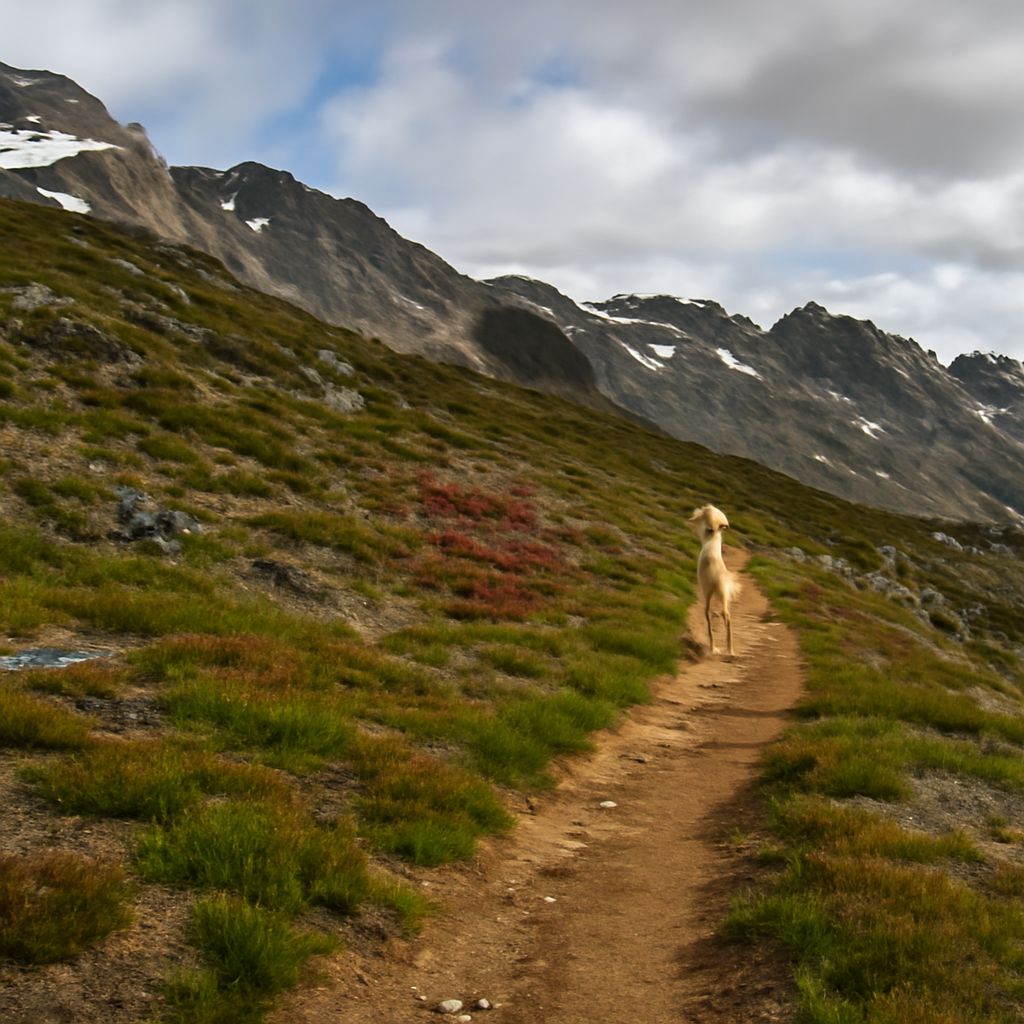
From Cascade Pass, the Sahale Arm trail branches north, traversing across talus slopes and alpine meadows. The route is clear but becomes steeper and more rugged as it climbs above tree line. The trail follows the long, gently rising spine of Sahale Arm, providing uninterrupted views of the valley below and far-off peaks. The meadows here bloom with lupine, paintbrush, and heather in season. As hikers continue, the path narrows and becomes rockier, especially near the final ascent to Sahale Glacier Camp.
The total distance from the trailhead to Sahale Glacier Camp is approximately 5.9 miles one-way, with 4,000 feet of elevation gain. Most hikers complete the route as a strenuous day hike, though overnight camping is popular for those securing a permit. The trail typically takes 6 to 10 hours round-trip, depending on pace, fitness, and time spent on breaks or photography.
Trail conditions vary: early in the season, lingering snowfields and icy patches can require microspikes or trekking poles for safe passage. By mid-summer, most of the route is snow-free, but loose rocks and exposed stretches remain. Water is limited after Cascade Pass, so carrying enough for the return trip is essential.
Cascade Pass to Sahale Arm: What to Expect
The section from Cascade Pass to Sahale Arm offers dramatic scenery and a real sense of entering higher, wilder country. After reaching Cascade Pass at 5,392 feet, hikers leave the more traveled path behind and head up the steepening slopes of Sahale Arm. The route quickly opens above the trees, clinging to the ridge and affording sweeping views of Johannesburg Mountain’s imposing cliffs to the south and the deep green of Doubtful Lake far below.
The trail is marked by sustained elevation gain and exposure to the elements. Wind, sudden weather changes, and intense sun are common above the pass, and hikers should prepare for rapidly shifting conditions. The path climbs steadily through rocky switchbacks and meadows, sometimes crossing lingering snowfields into August. Progress slows noticeably above the 6,000-foot mark where the air is thinner and the grade steeper.
As hikers approach Sahale Glacier Camp, the landscape becomes stark and dramatic. The final half-mile traverses boulders and scree above the remnants of the glacier. At the camp, the effort is rewarded with stunning views over the upper Stehekin Valley and the peaks of the North Cascades. This exposed campsite is among the most coveted in the park, with sunset and sunrise lighting up the glaciers and nearby summits in vivid color.
The descent retraces the same route, demanding sure footing and attention on the loose rocky sections. In early summer, hikers need to be cautious of snow bridges and melting snowfields, especially in the afternoons.
Planning Tips for Hiking Sahale Arm
Preparation is key for a successful Sahale Arm experience. Start early; the parking lot at the Cascade Pass trailhead fills quickly on summer weekends, and early start times help avoid crowds and midday heat. No parking pass is needed, but check current road and trail conditions before departure, as snow or washouts can sometimes delay road access well into July.
Permits are required for overnight stays at Sahale Glacier Camp. These are limited and must be secured through the North Cascades National Park Wilderness Information Center, often months in advance for summer weekends. Day hiking the Sahale Arm trail does not require a permit, but all hikers should carry the 10 essentials: navigation, sun protection, insulation, illumination, first aid, fire, repair kit, nutrition, hydration, and emergency shelter.
Water sources are scarce above Cascade Pass. Carry at least 2-3 liters per person, or bring a filter to treat water from streams near Sahale Glacier. Be prepared for sudden weather changes, including cold temperatures and thunderstorms, even during summer. Layered clothing and a rain shell are recommended, as is a hat and sunscreen for exposure above tree line.
Leave no trace principles are critical: pack out all trash, minimize wildlife encounters by storing food securely, and stay on established trails to preserve fragile alpine vegetation. Insect repellent is helpful in early summer, when mosquitoes can be persistent in forested sections and meadows. With careful planning and respect for the environment, hikers can safely experience the unmatched beauty of Sahale Arm and Cascade Pass.