Food to take backpacking should be chosen with the shelter, sleep system, water, and cooking setup, because consumables can make up a large share of starting pack weight. A practical target is roughly 1.5 to 2.5 pounds of food per person per day, adjusted for distance, weather, effort, and appetite.
Build the load around calorie-dense foods that provide carbohydrates, protein, fat, and enough variety to remain appealing. Then add the actual water and cooking fuel required for the route rather than treating them as separate from the pack plan.
Food to Take Backpacking: Compare Energy, Weight, and Preparation
Most trail menus work well at about 120 to 150 calories per ounce. Fat-rich ingredients such as nuts, nut butter, olive oil, cheese, and powdered whole milk supply substantial energy with little weight. Carbohydrates support sustained movement, while protein helps make meals more satisfying and supports recovery.
- Breakfast: Oatmeal with powdered milk, nuts, dried fruit, and nut butter is lightweight and requires only boiling water.
- Lunch: Tortillas, tuna or chicken packets, hard cheese, jerky, and a spread provide a no-cook or quick-assembly option.
- Snacks: Trail mix, bars, roasted nuts, dried fruit, crackers, and chocolate add variety across the day.
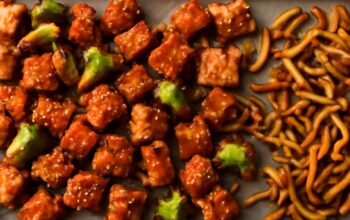
- Dinner: Instant rice, couscous, or noodles combined with dehydrated beans, vegetables, olive oil, or a shelf-stable protein create a filling meal.
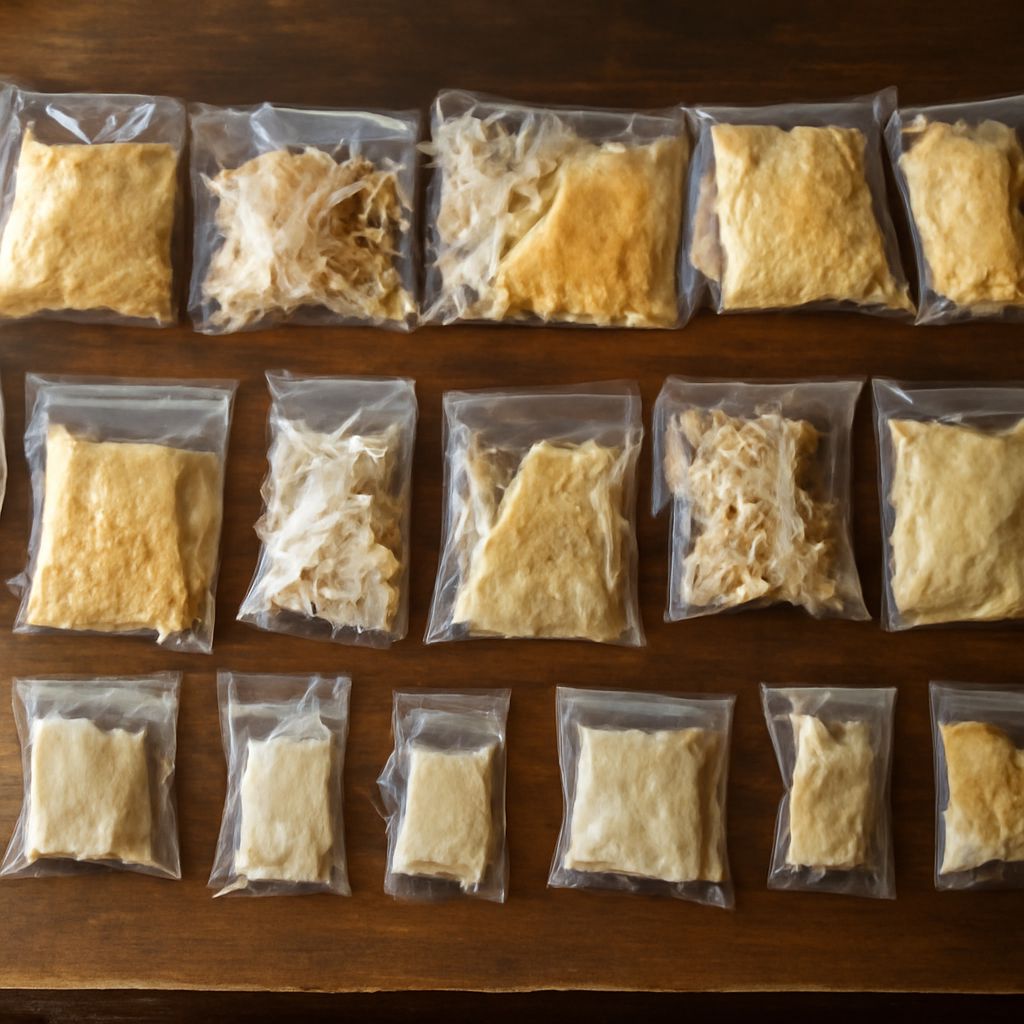
Compare each choice by energy, weight, preparation time, cleanup, and storage. No-cook food saves fuel but may require more packaging or offer less meal variety. Boil-only meals are efficient when a small stove is already needed. Foods requiring simmering consume more fuel and attention, but can improve texture and satisfaction. Repackage food into labeled daily bags to control portions and remove unnecessary packaging.
Plan Healthy Backpacking Food: Storage, Variety, and Fuel
Healthy backpacking food is not simply the lowest-calorie option. A useful menu balances calorie density with protein, fiber, carbohydrates, fats, sodium, and foods that the hiker will actually want after a demanding day. Include at least one familiar meal, rotate sweet and savory snacks, and add different textures such as chewy fruit, crunchy nuts, and soft tortillas.
Choose foods that tolerate heat and movement. Refrigerated meat, fresh produce, and foods with high moisture usually add weight and spoil more quickly, although a first-day fresh item can improve variety. Dry or shelf-stable ingredients are easier to portion and protect. Store food and scented items in an odor-resistant bag or the required bear-resistant container, following local wildlife rules. Keep food away from the sleeping area and pack out wrappers, used tea bags, and other waste.
Fuel planning follows the menu. A no-cook lunch and boil-only dinners use less fuel than repeated simmering. Count the number of hot drinks and meals, consider cold or windy conditions, and carry enough fuel for the route plus a small margin. The stove, pot, lighter, and fuel container belong in the cooking system; the fuel itself belongs in the consumable-weight calculation.
Build a Lightweight Backpacking Gear List
Organize the lightweight backpacking gear list by system so that an omitted small item does not undermine the larger setup.
- Carrying: Backpack sized for the trip, liner or pack cover, and optional trekking poles.
- Shelter: Tent, tarp, or hammock system with stakes, guylines, and a groundsheet when required.
- Sleep: Sleeping bag or quilt rated for expected temperatures, insulated sleeping pad, and optional compact pillow.
- Clothing: Hiking clothes, spare socks, insulating layer, rain jacket and pants when conditions require them, plus hat and gloves for cold weather.
- Cooking: Stove, fuel, pot, lid, spoon, lighter, and a small cleaning method. A mug is optional if the pot serves both purposes.
- Water: Bottles or a hydration reservoir, filter or purifier, and backup treatment tablets. Carrying capacity should match the distance between reliable sources.
- Navigation and power: Map, compass, GPS device or phone with offline maps, power bank, and charging cable.
- Light and safety: Headlamp with spare battery, first-aid supplies, emergency communication method, whistle, and emergency shelter where conditions or remoteness justify it.
- Repair and hygiene: Repair tape, cord, multitool, toothbrush, sanitation supplies, toilet paper or trowel as required, sunscreen, and insect protection.
Pack only the clothing and tools appropriate to the forecast, terrain, group skills, and regulations. Do not remove critical safety equipment merely to reduce a base-weight number.
Check the Complete Starting Load
Calculate the starting load before leaving: base gear weight + food + water + fuel = starting pack weight. Base gear includes the pack, shelter, sleep system, clothing, kitchen hardware, navigation, lighting, safety, repair, and hygiene items. Food, water, and fuel are consumables and should be weighed separately.
For example, a 12-pound base load plus 4 pounds of two days of food, 4.4 pounds of 2 liters of water, and 0.4 pounds of fuel produces a 20.8-pound starting load. Weigh the actual packed food and fuel, and adjust water to the next dependable source rather than carrying a fixed amount by habit.