Red Rock Campground is the primary developed camping area within Red Rock Canyon National Conservation Area, located approximately 20 miles west of the Las Vegas Strip. Known for its striking desert landscapes, proximity to world-class hiking trails, and accessibility for both tent and RV campers, Red Rock Campground serves as the ideal base for outdoor enthusiasts seeking a combination of comfort and adventure. This guide covers everything needed to plan a successful visit, including how to book a site, key trail access, available amenities, and essential tips for a seamless red rock camping experience.
Overview of Red Rock Campground
Red Rock Campground is situated just off State Route 159, about three miles from the Visitor Center at Red Rock Canyon. The campground operates seasonally, typically opening in late September and closing in late May to avoid the extreme desert summer heat. It offers 53 individual sites and six group sites, all designed for tent camping or small RVs (up to 20 feet). There are no electrical, water, or sewer hookups, but the setting delivers direct access to stunning scenery and outdoor pursuits.
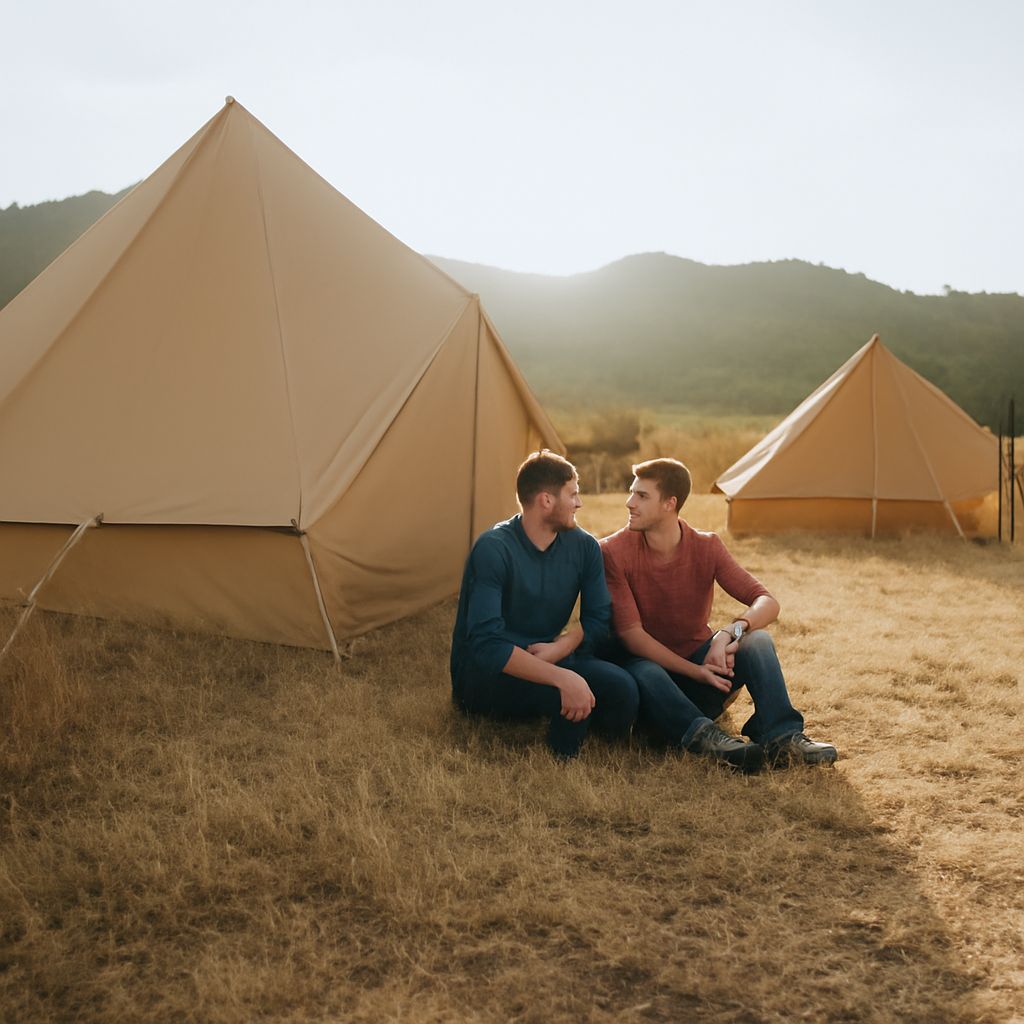
The layout is spacious, ensuring each campsite provides a sense of privacy with unobstructed views of the red sandstone cliffs. Sites are gravel with picnic tables, fire rings, and grill grates. The campground is especially popular during peak hiking months from October to April, so advance reservations are strongly recommended.
This area is best suited for campers seeking a rustic, nature-immersed experience. While there is no shade at most sites, the lack of artificial lighting at night offers excellent stargazing opportunities. It’s important to note that commercial campgrounds or hotels and restaurants are not available within the conservation area itself, making Red Rock Campground the only dedicated overnight option in close proximity to the trails.
How to Reserve and Prepare for Red Rock Camping
Reservations for Red Rock Campground are managed through Recreation.gov. Peak season weekends and holidays fill quickly, so it is advisable to book as soon as dates are known—up to six months in advance for individual sites and up to one year for group sites. Walk-in sites are extremely limited and only available if not reserved in advance.
When preparing for red rock camping, campers should be aware that no on-site potable water is available. It is essential to bring all needed water for drinking, cooking, and cleaning—plan for at least one gallon per person per day. There are vault toilets but no showers or flush toilets. Pack in all necessary camping gear, including a sturdy tent, sleeping pads, and seasonally appropriate sleeping bags (overnight lows can reach near freezing during winter).
Firewood is not sold at the campground; only dead and down wood may be collected, but supplies are very limited. Plan to bring propane or charcoal for cooking, following local fire restrictions and guidelines. Cell service is limited or unavailable within the campground, so download any maps or trail information before arrival. Wildlife, including burros and coyotes, are common visitors—store all food in animal-proof containers and keep campsites clean to avoid attracting animals.
Prepare for rapid weather changes and strong sun exposure. Bring sun protection, layers for temperature swings, and always check the weather forecast before your trip. Pets are allowed but must be kept leashed at all times and may not be left unattended at campsites.
Top Hiking Trails Accessible from the Campground
One of the primary draws of red rock camping is the access to some of the best hiking in southern Nevada. The campground is less than a 10-minute drive from the Red Rock Canyon Scenic Drive, which is the jumping-off point for many of the area’s top trails. Popular options include Calico Tanks Trail, a moderately challenging 2.2-mile out-and-back hike known for panoramic views of Las Vegas and unique rock formations. Lost Creek Children’s Discovery Trail is ideal for families, with a 0.7-mile loop and seasonal waterfall.
The Ice Box Canyon Trail offers a 2.3-mile round-trip trek through a cool, shaded canyon, featuring seasonal pools and waterfalls after heavy rains. For those seeking greater elevation gain, Turtlehead Peak Trail is a 5-mile round trip with a steep ascent and sweeping vistas from the summit. The Petroglyph Wall Trail is a short and accessible walk that allows visitors to view ancient rock art—a highlight for history enthusiasts.
All trailheads are located along the Scenic Drive, and parking can fill early on weekends and holidays. It is advisable to start hikes early, carry plenty of water, and check trail conditions before heading out. Red Rock Campground’s location makes it easy to return to your campsite for a meal or rest between hikes, maximizing your time on the trails.
For overnight or longer backcountry hikes, obtain the necessary permits in advance and review BLM guidelines for wilderness travel. While most trails are well-marked and maintained, always carry a map, extra food, and emergency supplies, especially in summer when temperatures can rise rapidly.
Amenities and Practical Tips for a Successful Stay
Red Rock Campground offers basic amenities focused on preserving the desert environment. Each site comes with a picnic table, fire ring, and grill grate. Vault toilets are located throughout, but there are no showers or potable water sources—bring all water with you. Trash collection is provided, but recycling facilities are not available. The lack of artificial lighting makes headlamps or lanterns essential for nighttime activities.
Quiet hours are strictly enforced from 10 p.m. to 6 a.m., and generators are only permitted between 6 a.m. and 10 p.m. Fires must be contained within designated rings, and fire restrictions are often in place during dry periods. Respect all posted rules to protect fragile desert ecosystems and ensure a positive experience for every visitor.
For supplies, gas, and groceries, plan to stop in the town of Blue Diamond or in Las Vegas before entering the conservation area. The Red Rock Canyon Visitor Center, located nearby, provides maps, interpretive exhibits, and rangers on hand to answer questions about trails, wildlife, and safety. Remember that internet and phone connectivity are unreliable in the campground, making pre-trip planning especially important for a smooth red rock camping experience.
To enhance your stay, plan meals in advance, bring extra water storage, and pack for variable weather. With careful preparation, Red Rock Campground offers a unique opportunity to enjoy the beauty of the Mojave Desert and immediate access to the area’s renowned hiking trails.