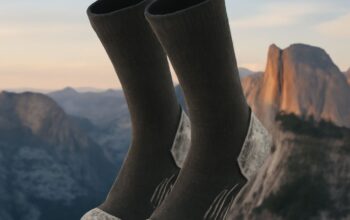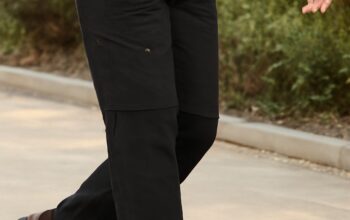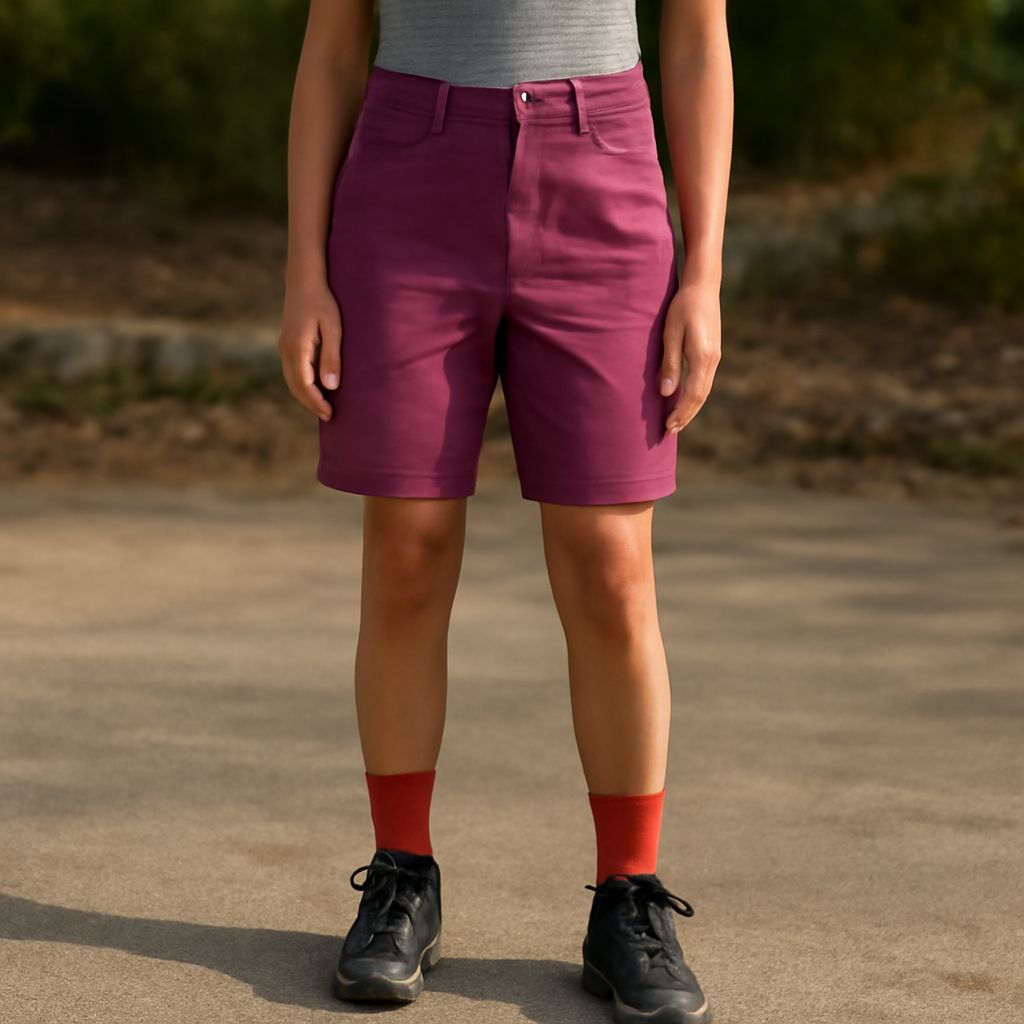
Hiking shorts for women should keep the legs cool without restricting a high step, while footwear should match the trail’s surface and exposure. Lightweight shorts with hiking sandals for women suit open, dry routes where airflow and quick drying matter most. Women’s hiking boots are the safer choice when loose rock, sharp debris, steep grades, or reduced ankle stability make coverage and support more important than ventilation.
The best combination depends on four trail variables: heat, water, surface, and debris. Shorts can stay consistent across routes, but sandals and boots should change as traction, protection, and support demands increase.
Choose Hiking Shorts for Women for Heat and Movement
Fabric, Rise, and Length for Comfort
Look for nylon or nylon-elastane blends with stretch, a smooth surface, and a quick-drying finish. Nylon handles abrasion better than many casual athletic fabrics, while elastane helps the shorts move during steep steps, scrambling, and longer strides. A lightweight weave releases heat more effectively than heavy utility fabric, but very thin material may wear faster against rock or pack straps.
A mid-rise waistband usually balances coverage and ventilation. It should sit securely when a pack hip belt is tightened without digging into the abdomen. A higher rise gives more coverage during climbing or bending, while a lower rise may feel cooler but can expose the lower back when the waistband shifts.
Shorts ending around mid-thigh provide the most airflow and freedom of movement. A slightly longer inseam offers more coverage from brush, sun, and pack-belt friction. A gusseted crotch and side split can improve mobility without requiring a very short hem. The waistband should remain flat and stable rather than rolling under pressure.
Pockets, Liner Choice, and Chafe Control
- Pockets: Zipped pockets keep a phone, key, or map secure, while open hand pockets allow faster access. Pocket placement should not interfere with a hip belt or sit where stored items press into the thigh.
- Liner: Built-in briefs or compression liners can reduce movement and provide coverage, but they may retain heat. Unlined shorts allow more flexibility with underwear and are often easier to dry.
- Chafe control: Flat seams, a soft waistband, and a liner with enough length help prevent rubbing. Moisture-wicking fabric matters most on humid routes, where wet seams and salt buildup can irritate skin.
When Hiking Sandals for Women Make Sense
Traction, Toe Protection, Drying, Support, and Debris Entry
Hiking sandals for women work best on warm, open trails, sandy paths, maintained river routes, and low-risk terrain. Their main advantages are airflow, low weight, and fast drying after shallow water crossings. A contoured footbed and adjustable heel and forefoot straps provide more support than casual walking sandals.
Traction still matters: a lugged rubber outsole is preferable to a flat lifestyle sole, particularly on wet stone. Closed-toe sandals improve protection from small rocks and roots, though they remain less protective than boots. Open designs allow more debris to enter and leave toes exposed, so they are poor choices for sharp scree, dense brush, or rough descents. Sandals also provide less ankle coverage and may offer less stable foot control on uneven ground. Straps should hold the heel firmly without creating pressure points, and the foot should not slide forward when descending.
When to Choose Women’s Hiking Boots
Traction, Toe Protection, Support, Coverage, and Drying Trade-Offs
Women’s hiking boots suit rocky, steep, debris-covered, or heavily wooded trails where foot protection and stability take priority. A deeper outsole pattern and firm rubber compound improve grip on loose soil, roots, and uneven rock. A reinforced toe cap protects against impacts, while a structured midsole reduces foot fatigue under a loaded pack.
Boots with a higher shaft provide more ankle coverage and can help limit rollover, although fit and lacing matter more than height alone. They also block grit, thorns, and mud more effectively than sandals. The trade-off is heat and drying time: waterproof membranes resist external water but can trap perspiration, while non-waterproof leather or synthetic uppers often dry faster after soaking. Choose a secure heel, adequate toe room, and enough flex for the route rather than relying on stiffness as a substitute for fit.
Build the Outfit for the Route
Open and Dry Trails: Lightweight Shorts With Hiking Sandals
For a hot, maintained trail with firm soil and little brush, pair lightweight, mid-thigh stretch shorts with breathable, open hiking sandals. Use a secure heel strap, lugged outsole, and moisture-wicking liner or underwear. This combination maximizes airflow and dries quickly, but it should be reserved for terrain without sharp rock, heavy debris, or exposed scrambling.
Warm and Wet Trails: Quick-Dry Shorts With Closed-Toe Sandals
For a warm route with frequent shallow crossings, choose quick-dry nylon shorts with a mid-rise waistband, flat seams, and a liner that does not hold water. Closed-toe sandals with adjustable straps and drainage protect the toes better while allowing water to escape. Check that the outsole grips wet surfaces and that the footbed does not become slippery when soaked.
Rocky and Debris-Covered Trails: Longer Shorts With Protective Boots
For loose rock, steep grades, thorny vegetation, or trails covered with grit, wear longer stretch shorts with a secure pocket, chafe-resistant seams, and enough room for a full stride. Pair them with supportive, closed hiking boots featuring a protective toe, aggressive traction, and a stable heel. Non-waterproof boots may dry sooner in warm conditions; waterproof boots are more useful when persistent mud or rain makes external water protection worth the added heat.