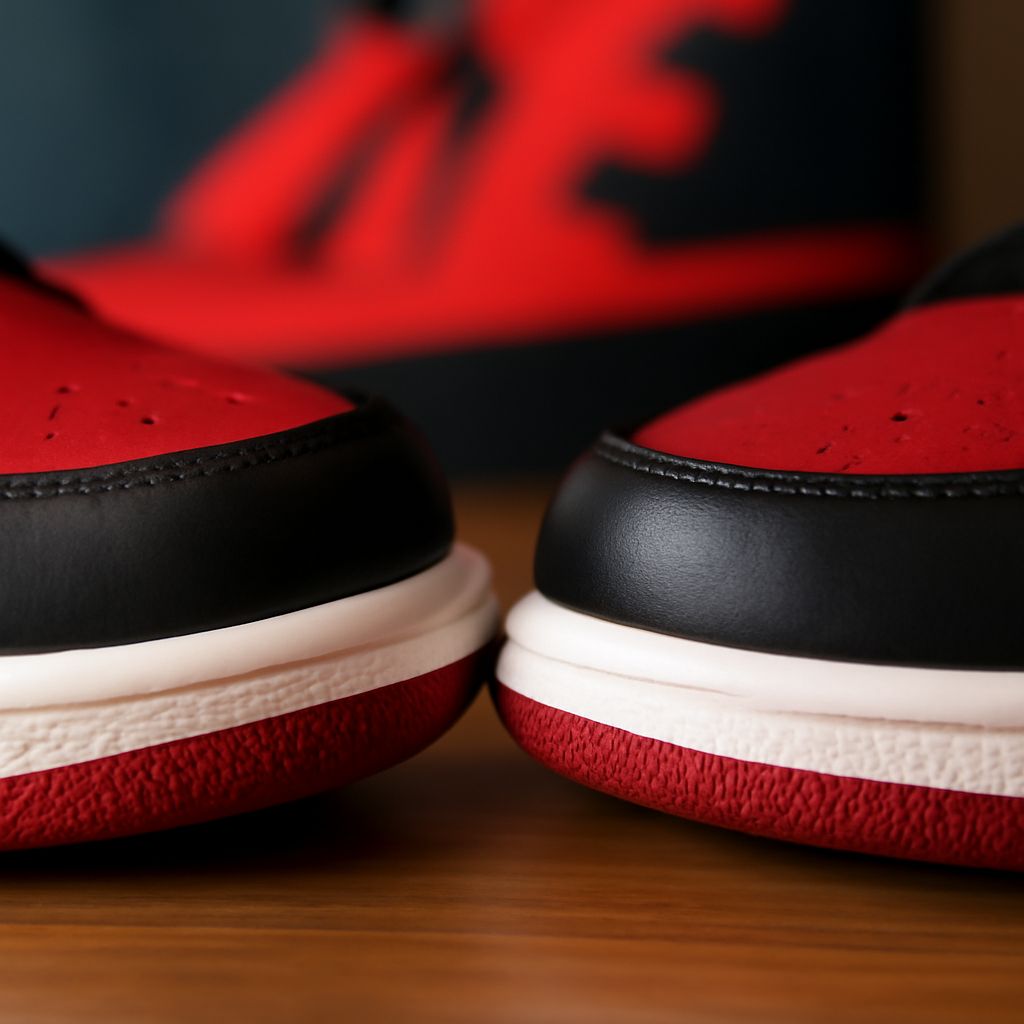
Jordans have become iconic in the sneaker world, making them a target for counterfeiters. Knowing how to tell if Jordans are real is crucial for ensuring that you don’t fall victim to purchasing fake Jordans. This guide will walk you through the essential differences between genuine and counterfeit Jordans, highlighting signs of authenticity, common indicators of fakes, and practical tips for spotting them.
Key Differences Between Fake and Real Jordans
The first step in distinguishing fake Jordans from real ones is understanding the key differences. Authentic Jordans are manufactured with high-quality materials and exhibit superior craftsmanship. Look closely at the stitching, logos, and overall build quality. Genuine Jordans will have consistent and even stitching, while fakes often show irregularities.
The materials used in real Jordans are typically premium, such as genuine leather or high-grade synthetics, which offer a distinct feel and appearance compared to the cheaper materials often used in counterfeits. Additionally, the colorways on authentic Jordans are precise and vibrant, matching the official releases.
Signs of Authentic Jordans
There are several signs that can help you identify authentic Jordans. First, examine the box. Real Jordans come in sturdy, high-quality boxes with clear labels and SKU numbers matching those on the sneakers. Check the font and spacing on the labels for consistency with genuine products.
The Jumpman logo is another critical aspect. On authentic Jordans, the Jumpman should be finely detailed, with clear lines and proportions. Counterfeit versions often have distorted or irregular logos. Also, inspect the manufacturing tags inside the shoes, which should include accurate information regarding production dates and locations.
Another sign of authenticity is the shoe’s smell. Real Jordans have a distinct, high-quality scent due to the materials used, whereas fakes may have a strong chemical odor.
Common Indicators of Fake Jordans
Identifying counterfeit Jordans often involves spotting certain indicators. Poor craftsmanship is a telltale sign; fake Jordans may have uneven stitching, misaligned logos, and inferior materials. The soles of fake Jordans might feel stiff or have poorly executed treads.
Price is another red flag. If the cost is significantly lower than that of the official retail price, it could indicate a fake. Be cautious of deals that seem too good to be true. Online reviews and seller ratings can also provide insight into the authenticity of a product.
Finally, fake Jordans might have incorrect or outdated packaging. Counterfeit sneakers often come in flimsy boxes that lack the precision and quality of authentic packaging.
Practical Tips for Spotting Fake Jordans
When purchasing Jordans, being vigilant is key. Always buy from reputable retailers and avoid unfamiliar online marketplaces. Research the specific model you intend to buy and familiarize yourself with the official specifications and images.
Utilize online forums and communities dedicated to sneaker enthusiasts, where you can find detailed comparisons and advice. These platforms often have experienced members who can help verify authenticity.
Another practical tip is to compare your potential purchase with a verified authentic pair. This side-by-side comparison can reveal subtle differences in quality and design.
In summary, knowing how to tell if Jordans are real involves understanding the key differences and recognizing the signs of authenticity. By being aware of common indicators of fake Jordans and following practical tips, buyers can make informed purchasing decisions and safeguard themselves against counterfeit products.