A practical plan for meals for backpacking starts by separating fixed systems from consumables. A two- or three-night trip usually needs shelter, sleep, carry, clothing, navigation, food, and water systems; food and water weight then change with mileage and source spacing.
Build the load around the route first. A Big Agnes Copper Spur HV UL2, Therm-a-Rest NeoAir XLite NXT, Osprey Exos 48, Sawyer Squeeze, and simple boil-only menu illustrate a balanced approach, but each choice should match group size, weather, and resupply options.
Must-Have Backpacking Gear for Every Essential System
A must-have backpacking gear list should cover a function rather than collect isolated items. Every item should earn its place by protecting against weather, supporting movement, or solving a likely trail problem.
- Shelter: Carry a tent or tarp, stakes, guylines, and a groundsheet if the shelter requires one. Include a shared shelter’s divided components in each person’s load.
- Sleep: Use a sleeping bag or quilt rated for expected low temperatures, an insulated sleeping pad, and a liner only when its warmth or cleanliness justifies its weight.
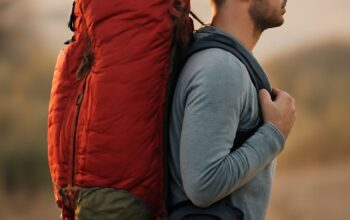
- Carry: Choose a fitted pack with enough volume for food and water. Add pack liner or dry bags to protect the sleep system and spare clothing.
- Clothing: Pack a moisture-managing base layer, insulating layer, rain shell, hiking socks, warm hat, gloves, and dry sleep clothes. Adjust insulation for forecast and elevation.
- Navigation: Carry a paper map, compass, and charged phone or GPS device with offline maps. Keep electronic navigation in a waterproof case and carry a power bank for longer routes.
- Food: Include meals, snacks, a spoon, stove, fuel, lighter, and pot. A windscreen improves stove efficiency, but it must be compatible with the stove manufacturer’s instructions.
- Water: Carry bottles or soft reservoirs, a dirty-water bag, and treatment equipment. Add a headlamp, small first-aid kit, repair tape, and fire-starting backup as essential utility items.
Plan Meals for Backpacking: Portions, Prep, Fuel, and Storage
Pack one breakfast, lunch, dinner, and a measured snack allocation for each hiking day, plus one emergency serving for delays. Most backpackers need roughly 2,500 to 4,000 calories per day, depending on body size, temperature, elevation, and effort. A practical food-weight planning range is about 1.5 to 2 pounds per person per day.
- Breakfast: Oatmeal, granola, powdered milk, or a breakfast bar provides quick energy with little cleanup. Add nuts or nut butter for calories and fat.
- Lunch: Tortillas, hard cheese, jerky, tuna packets, and trail mix work without cooking. No-cook food saves fuel and keeps a midday stop short.
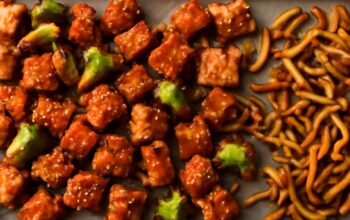
- Dinner: Dehydrated rice, couscous, instant noodles, or freeze-dried meals need boiling water rather than extended simmering. Add olive oil, dried meat, or powdered sauce to raise calories.
- Fuel and preparation: Count the number of hot drinks and boils, then bring fuel for that total plus a small reserve. A canister stove suits frequent boiling; an alcohol stove can suit simple, low-volume menus where permitted. Test the menu at home and measure water into each meal bag.
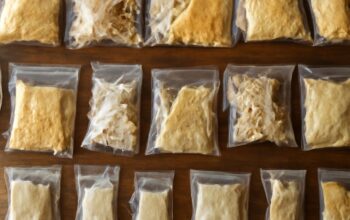
Pack food by day in labeled bags so portions remain visible and accessible. Use leakproof packaging for oils and sauces, keep trash in a dedicated odor-resistant bag, and store all food and scented items in a bear-resistant canister where required. Repackage bulky meals, but retain cooking directions and allergy information.
Choose an Ultralight Backpacking Water Filter by Route
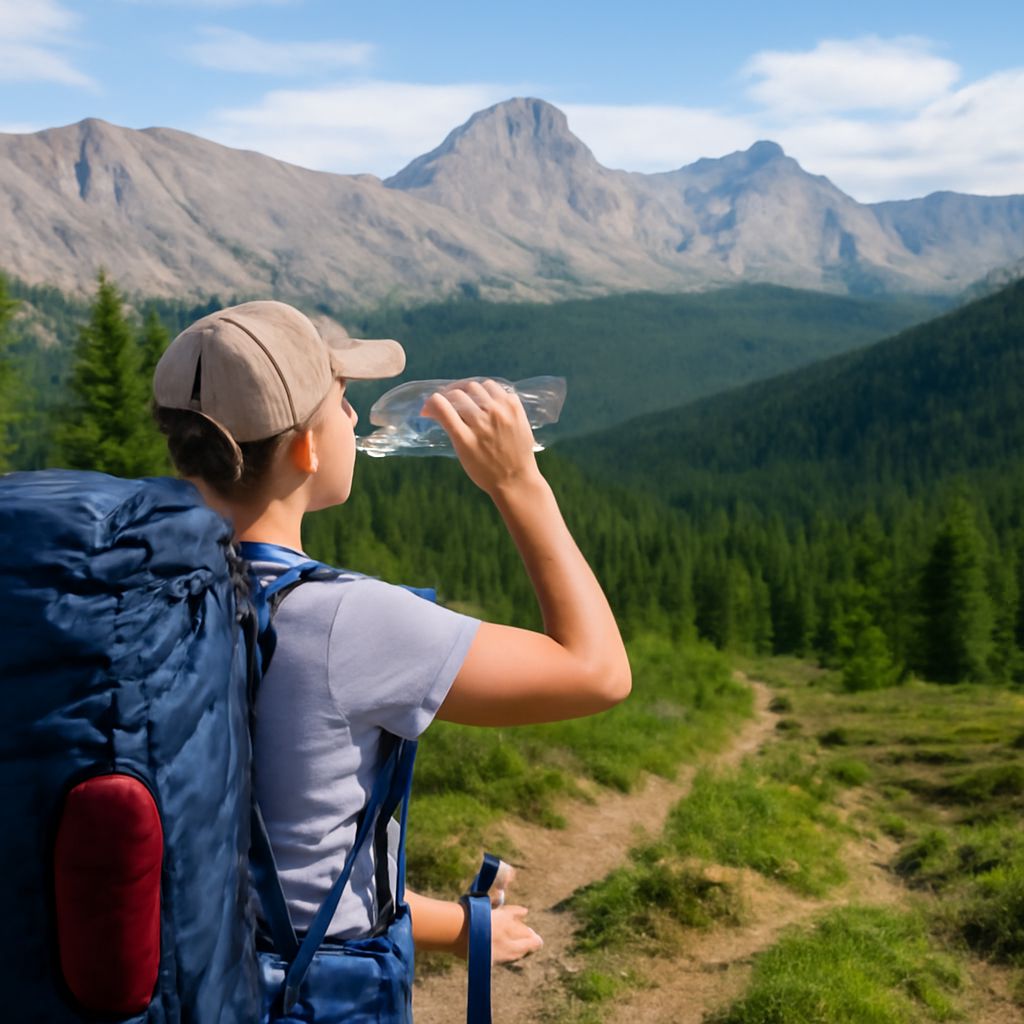
An ultralight backpacking water filter should be selected by source spacing, group size, sediment, and the amount of water needed between reliable sources. A filter treats many bacteria and protozoa, but typical backpacking filters do not remove viruses, dissolved chemicals, or salt; source quality still matters.
- Sawyer Squeeze: A roughly three-ounce filter with strong flow and a large usable capacity suits solo or group trips with repeated filling. Backflushing restores flow when sediment slows it. Its standard bottle-thread design works with compatible squeeze bags and many disposable bottles, but the included soft bag is a common failure point.
- Katadyn BeFree: The filter-and-flask system is very light and initially fast, making it convenient for solo hikers and short water carries. Capacity is commonly 0.6 or 1 liter, depending on the flask. Shake or rinse the hollow-fiber element for maintenance; it is less suited to heavy, silty use and uses a flask connection rather than standard bottle threads.
- Platypus QuickDraw: This lightweight squeeze filter offers fast flow, field cleaning, and reservoirs in several capacities. It is a good middle choice for frequent use, especially when a filter-integrity check is valuable. Confirm thread compatibility before pairing it with third-party bottles or bags.
For silty water, let sediment settle and draw from the clearer upper layer, or use a prefilter. Choose a larger-capacity system or gravity setup for groups, and choose a compact squeeze filter when sources are frequent and the route favors minimal carry weight. Carry chemical treatment as a backup when a damaged filter or unexpectedly poor source could interrupt the water plan.
Check the Finished Load and Water Plan
Pack the complete system before departure and separate base weight from consumables. Base weight includes shelter, sleep, pack, clothing, navigation, cooking equipment, and safety items. Food, fuel, and water are carried weight; one liter of water adds about 2.2 pounds, so water access can change the load more than a small gear upgrade.
- Confirm the pack fits all food and the required water capacity without crushing the shelter or sleeping insulation.
- Mark every dependable water source, note the longest dry stretch, and calculate the water needed for hiking, cooking, and an emergency margin.
- Place dense items near the back and close to the hips, keep rain gear and water accessible, and protect the sleeping system in the liner.
- Do a loaded test hike. If the pack is uncomfortable, first reduce duplicate clothing, excess packaging, and oversized cookware before sacrificing shelter, insulation, navigation, or water capacity.