The right ladies hiking boots support the foot without turning a warm trail into a sweaty one. The most comfortable summer hiking outfits combine a ventilated base layer, sun protection, light weather coverage, and footwear that leaves room for heat-related swelling.
Heat, sweat, dust, and changing terrain all affect comfort. A breathable outfit is useful only when its socks move moisture and its boots provide enough protection and traction for the route.
Build summer hiking outfits with breathable layers
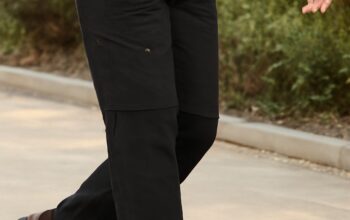
Start with a moisture-wicking sports bra or short-sleeved synthetic or lightweight merino top. Add a loose, long-sleeved sun shirt for exposed trails, then choose quick-drying hiking shorts, skorts, or lightweight stretch trousers. The combination should allow air movement without leaving skin unprotected from brush, insects, or strong sun.
- Base layer: Choose synthetic fabric or fine merino rather than cotton, which stays wet and can cause chafing.
- Bottom layer: Use shorts for open, maintained paths; lightweight trousers offer better protection against thorny vegetation, ticks, and sun.
- Sun protection: Add a brimmed cap, sunglasses, and a neck-covering option such as a buff or lightweight scarf.
- Weather layer: Carry a packable wind or rain shell. It should vent through a breathable fabric, pit zips, or an open front when conditions permit.
Choose a relaxed fit around the torso and thighs, but avoid excess fabric that catches on branches or traps moisture. A thin fleece or insulated vest belongs in the pack for high elevations, early starts, or exposed ridgelines rather than as a default hot-weather layer.
Choose ladies hiking boots for warm trails
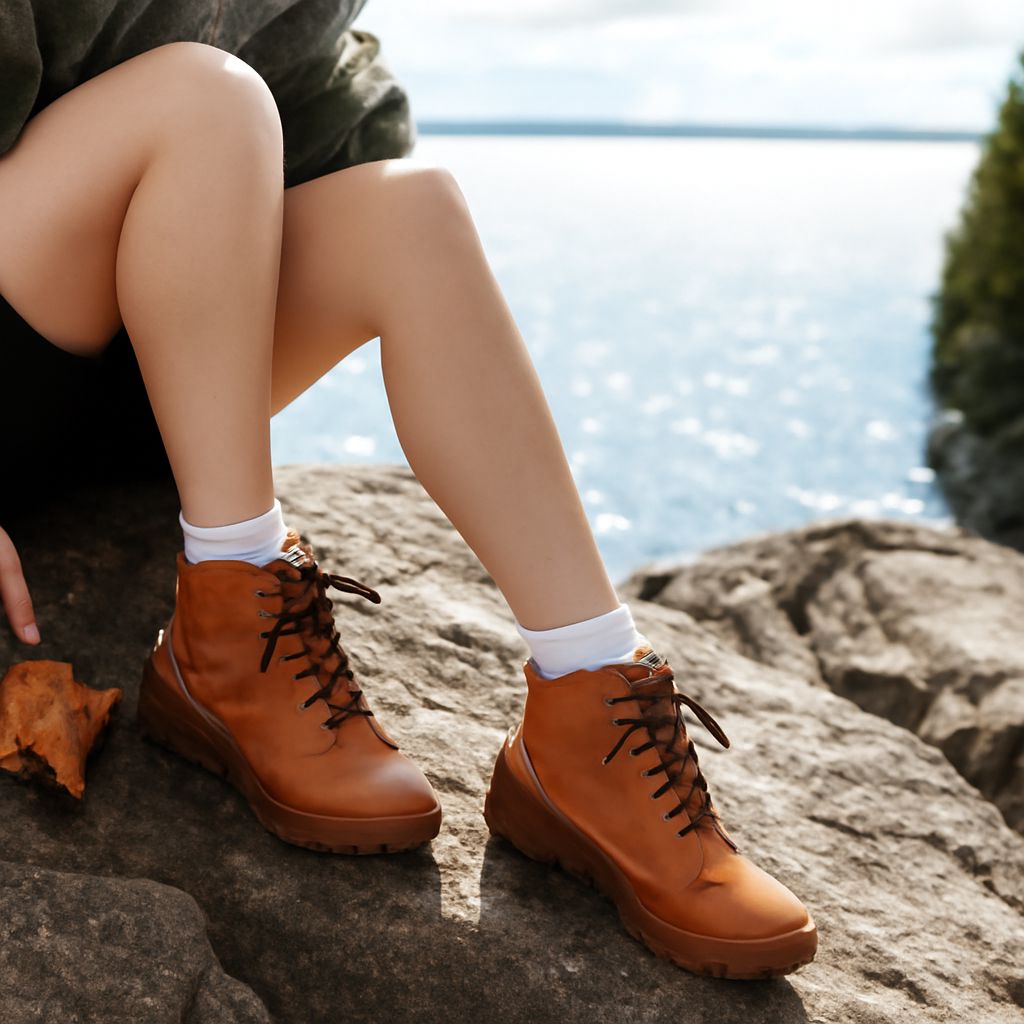
Warm, smooth trails may suit breathable low-cut hiking shoes, while rocky paths, loose scree, or loaded packs can justify mid-height boots. The choice is a protection trade-off: lower footwear vents and weighs less, while higher boots offer more ankle coverage and help keep debris out.
- Ventilation: Mesh panels and perforated uppers release heat better than solid leather or waterproof membranes. Waterproof boots are useful for wet grass and rain, but they generally hold more heat and dry more slowly after soaking.
- Protection: A reinforced toe, firm heel counter, and moderately structured upper protect against rocks and roots. Full leather gives strong abrasion resistance but is usually warmer than textile construction.
- Traction: A rubber outsole with deeper, widely spaced lugs handles mud and loose ground. Shallower lugs roll more easily on dry paths but provide less grip in soft terrain.
- Fit: The heel should remain secure when walking uphill, while the toes should not touch the front during descents. Roughly 10 to 15 millimetres of space beyond the longest toe is a useful starting point.
Feet often expand during a long, hot hike, so fitting should happen later in the day while wearing the intended socks. The boot should hold the midfoot without pinching the instep. A heel-lock lacing pattern can reduce lift without tightening the forefoot. If numbness, pressure over the toes, or heel slip remains after lacing adjustments, a different size or shape is needed.
Match outdoor socks to heat, moisture, and boot fit
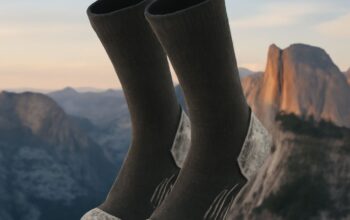
Outdoor socks should manage moisture while filling the boot correctly. Fabric and cushion are connected to boot volume: a thick sock in a close-fitting boot creates pressure, while a thin sock in a roomy boot can allow sliding and blisters.
- For high heat: Select thin synthetic or merino-blend socks with mesh ventilation across the instep. Synthetic fibres dry quickly; merino helps regulate temperature and resist odour.
- For damp conditions: Use a synthetic-heavy blend or wool blend that continues insulating when slightly wet. Avoid cotton, which absorbs sweat and dries slowly.
- For roomier boots or rocky routes: Choose light or medium cushioning under the heel and forefoot to improve impact protection and reduce movement. Do not add cushion if it makes the toes feel crowded.
A low-cut sock suits shoes that finish below the ankle, while a crew or quarter-height design protects skin from boot collars, grit, and sun. Seam placement matters as much as fabric: the toe seam should sit flat and away from pressure points. Carrying a dry spare pair is worthwhile on humid routes, stream crossings, or hikes longer than several hours.
Test the full hot-weather system before hiking
Test the complete outfit, boots, socks, and pack together before committing to a long trail. A short walk in the afternoon reveals heat and swelling issues more accurately than trying footwear briefly indoors.
- Wear the planned socks and lace the boots with the same tension intended for hiking.
- Walk for 30 to 60 minutes, including stairs or a hill, then check for hot spots, toe pressure, heel movement, and damp fabric.
- Adjust one variable at a time: loosen the forefoot, use heel-lock lacing, change sock cushion, or remove a layer.
- Stop if a hot spot persists. Dry the feet, replace wet socks, and cover early friction with suitable blister protection rather than hiking through pain.
The finished system should leave the toes able to move, the heel stable, the upper body cool, and enough weather protection available for the route’s highest or most exposed section.