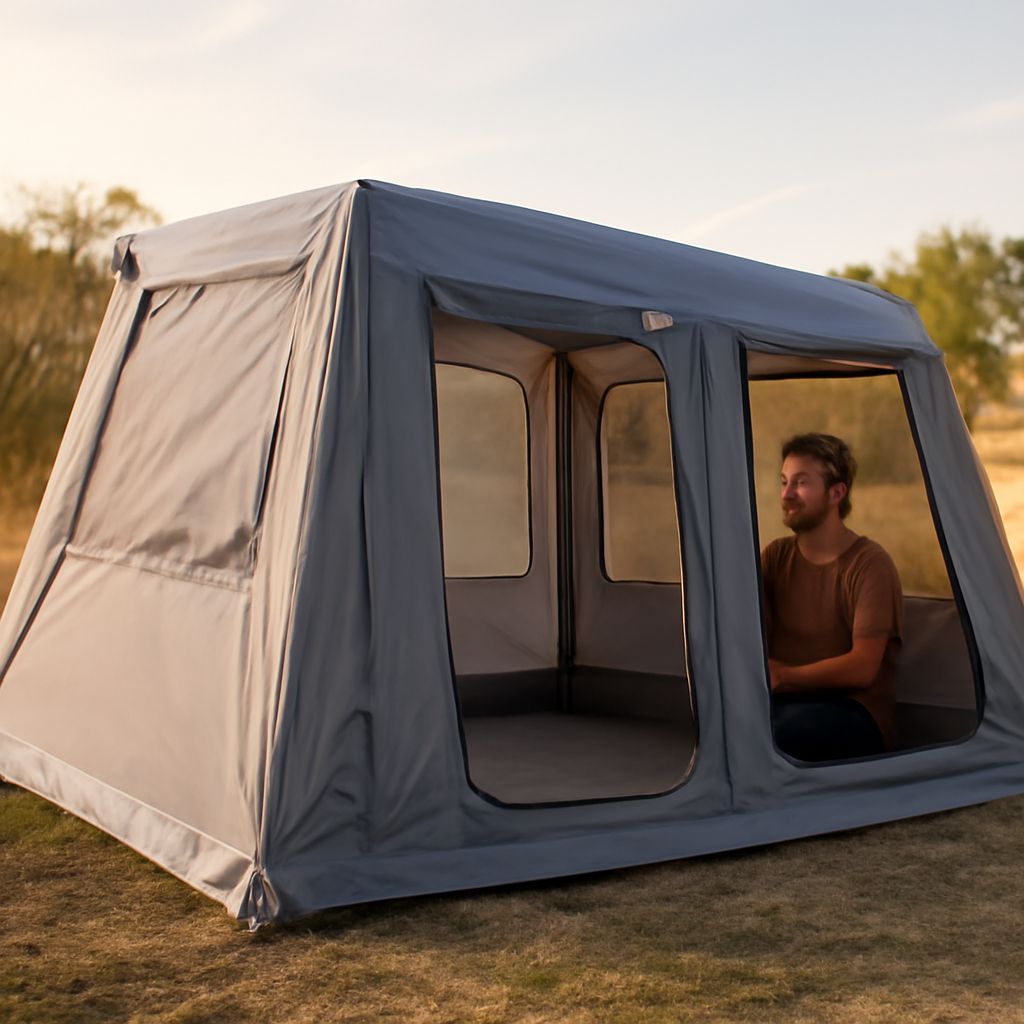
As the popularity of outdoor activities continues to rise, so does the demand for convenient and innovative gear. Inflatable tents, also known as air tents, have emerged as a popular choice among hikers, offering an array of benefits that make them an ideal option for outdoor excursions. This guide will explore what inflatable tents are, their benefits, how to set them up, and the top features to look for when choosing one.
What Are Inflatable Tents?
Inflatable tents are a type of camping shelter that uses air-filled beams instead of traditional metal or fiberglass poles. These air beams provide the structure and support needed to keep the tent upright. Made from durable and lightweight materials, inflatable tents are designed for quick and easy setup, making them appealing to hikers and campers who value efficiency and convenience. The concept behind air tents is simple: by replacing rigid poles with inflatable beams, these tents reduce the time and effort required for assembly and disassembly.
Benefits of Using Air Tents
One of the primary benefits of air tents is their ease of setup. Unlike traditional tents, which can be cumbersome and time-consuming to pitch, inflatable tents can be set up in a matter of minutes. This is particularly advantageous in adverse weather conditions when speed is essential.
Additionally, air tents tend to be more stable in windy conditions. The flexible air beams can absorb the force of the wind better than rigid poles, reducing the risk of breakage and ensuring the tent remains standing. Furthermore, the absence of metal poles makes these tents lighter, making them easier to transport during hiking trips.
Another benefit is the increased safety offered by inflatable tents. Without hard poles, there’s a reduced risk of injury from falling objects or components during adverse weather conditions. This also makes them a safer choice for families with children.
How to Set Up an Inflatable Tent
Setting up an inflatable tent is a straightforward process. Start by selecting a flat, clear area to pitch your tent. Once the location is chosen, unfold the tent and lay it out on the ground. Most inflatable tents come with a pump, which is used to inflate the beams. Attach the pump to the inflation valve and begin inflating the beams until they are firm. It’s crucial to avoid overinflation, as this can damage the material.
After the beams are inflated, secure the tent using the provided stakes and guy lines to ensure stability. Lastly, check all the zippers and seals to make sure they are functioning correctly to prevent rain or insects from entering the tent.
Top Features to Look for in Air Tents
When selecting an inflatable tent, several key features should be considered to ensure you choose the best option for your needs. First, consider the tent’s size and capacity. Ensure it has enough space to accommodate the number of occupants and any gear you plan to store inside.
Ventilation is another critical feature. Look for tents with multiple windows or vents that allow for adequate air circulation, minimizing condensation and keeping the interior comfortable.
Durability is vital, so choose a tent made from high-quality materials that can withstand various weather conditions. Reinforced stitching and waterproof coatings are excellent indicators of a tent’s durability.
Finally, consider the ease of setup and pack-down. Tents with intuitive designs and features such as color-coded components or integrated pumps can significantly enhance your camping experience by reducing setup time.
Inflatable tents offer a blend of convenience, safety, and efficiency, making them an excellent choice for hikers and campers alike. By understanding their advantages and key features, you can make an informed decision and enhance your outdoor adventures.