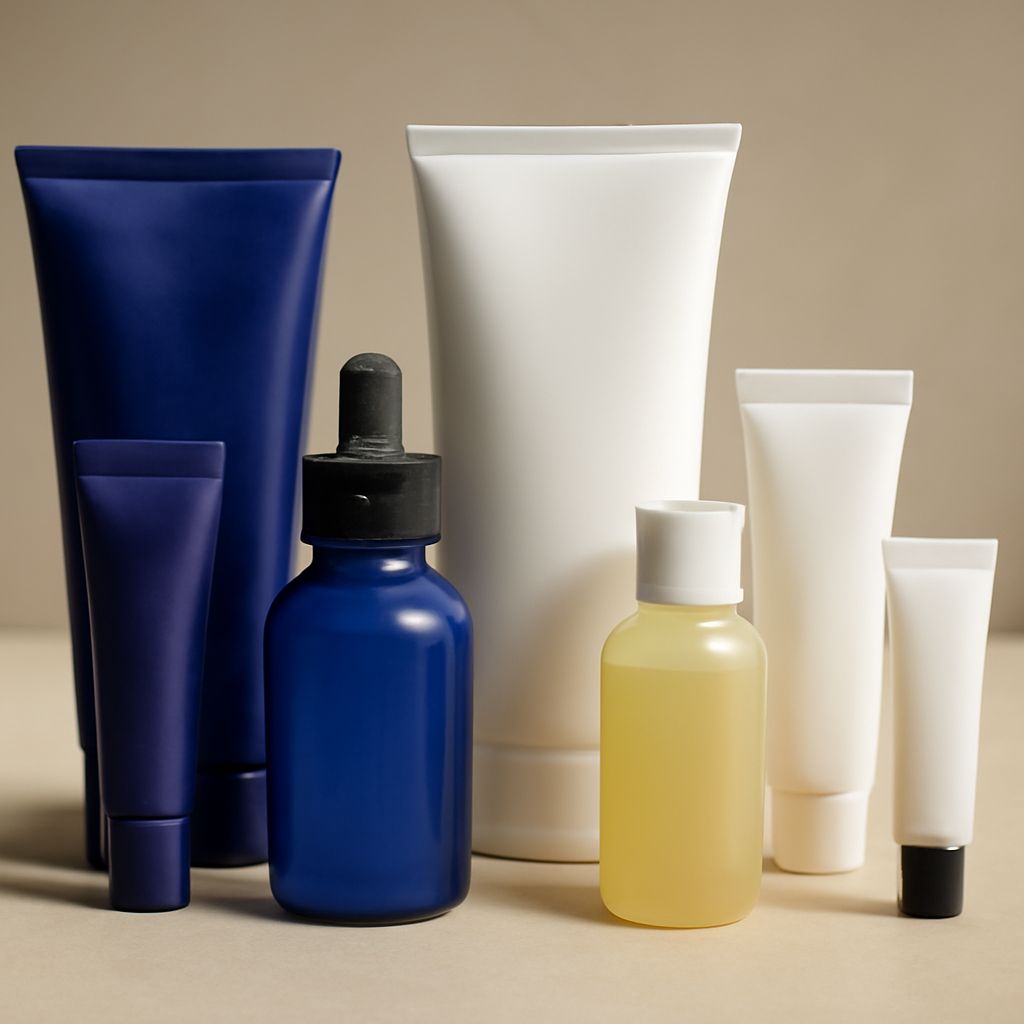
Trial size products and travel sizes overlap, but they describe different purposes. A trial size is usually made to let a customer test a formula, while a travel size is intended to carry a practical amount away from home. Neither label represents a universal container volume.
The best choice depends on how much product is needed, how long the trip lasts, and how the item will be transported. A prefilled mini may suit a short flight, a refillable bottle may work better for repeated road trips, and a solid format can reduce leakage in almost any bag.
What Trial Size Means
Sampling Purpose, Not a Universal Volume
A trial size is primarily a sampling format. It gives a customer enough cleanser, shampoo, moisturizer, fragrance, makeup, or another product to assess its formula, scent, color, texture, or performance before purchasing a larger version.
Some samples contain one use, while others last several days or provide enough applications for a meaningful test. They may come in sachets, small tubes, miniature bottles, pods, or solid pieces. The product category and brand determine the amount, so “trial” does not guarantee a particular capacity.
Trial size products can be useful for travel, but they are not always the most economical packing choice. Their cost per use may be higher than that of a full-size product poured into a reusable container. Single-use packets can also create more packaging waste. They make sense when a traveler wants to avoid buying an untested product or needs only one or two applications.
What Travel Sizes Mean
Packing Capacity Depends on the Product and Trip
A travel-size product is packaged for portability. The label generally signals a smaller, easier-to-pack format rather than a sampling purpose. It may be a prefilled bottle, a refillable container filled at home, a compact stick, or a solid bar. A travel-size shampoo, for example, is intended to provide enough washes for a journey, while a trial shampoo may be designed mainly to evaluate the formula.
There is no universal travel-size standard. A useful amount depends on the product’s concentration, the traveler’s dosage, whether the item is shared, and the trip duration. A small bottle can be suitable for a weekend but insufficient for two weeks. Conversely, a trial sachet may be excessive for someone who needs only a single application.
Transport also affects the practical choice. Carry-on air travel favors compact, sealed containers that fit the applicable liquids rules. A checked suitcase or car allows more flexibility, including larger refillable bottles. Train travel may call for sturdy, leak-resistant packaging when luggage will be moved frequently.
Compare Small-Format Packaging Options
Prefilled Containers: Convenient but Often Wasteful
Prefilled minis are ready to use and remove the need to measure or decant a product. They are useful for a short trip, an unfamiliar product, or a traveler who rarely packs toiletries. Factory seals can provide confidence that the contents are clean and intact, although caps and seams can still leak if squeezed or damaged.
The drawbacks are a higher cost per use, limited control over the amount, and waste from discarded bottles or sachets. Choose a prefilled format when convenience matters more than repeat-use value, especially for a two- or three-day trip.
Refillable Containers: Flexible for Repeat Trips
Refillable bottles and jars allow the traveler to take the exact product and amount required. They usually offer the lowest cost per use for people who travel regularly and can reduce waste when the container is washed, dried, and reused correctly.
Leakage risk depends on the closure and the product. Screw-top bottles with a secure seal are generally more dependable than loose snap lids, while pumps may need protection from accidental pressing. Containers should be labeled, checked for cracks, and tested upright before packing. A refillable container is the most adaptable option when trip length varies or a preferred full-size product is not sold in a mini.
Solid Formats: Lower Leakage and Less Packaging
Solid shampoo, conditioner, cleanser, deodorant, and toothpaste tablets avoid most liquid spills and can reduce packaging weight. They are useful for air travel, outdoor trips, and bags that may be turned upside down. However, solids need a ventilated container or a dry pouch between uses. A wet bar can soften, transfer residue, or become difficult to portion.
Solid formats are not automatically cheaper or less wasteful. Cost per use varies by product, and some are wrapped individually. They are a strong choice when leakage prevention and compact packing are more important than matching a familiar liquid routine.
Choose and Pack the Useful Amount
Match the Amount to Trip Duration
Estimate the amount by multiplying the product used per application by the number of applications, then add a small buffer rather than packing the full-size container. A person who uses about 5 milliliters of shampoo per wash might need approximately 15 milliliters for a three-day trip, 35 to 45 milliliters for a week, or 70 to 80 milliliters for two weeks. Hair length, washing frequency, product concentration, and sharing can change those figures substantially.
- One to three days: Choose a single trial packet, a small prefilled mini, or about 10 to 20 milliliters of a frequently used liquid.
- Four to seven days: Use a 30- to 60-milliliter refillable or prefilled container when applications are small and daily.
- One to two weeks: Select a larger refillable container, several solid units, or a product amount calculated from the actual routine.
Match the Container to Transport Mode
For a carry-on, prioritize compact dimensions, secure closures, and packaging that can be removed for inspection if required. Place liquids in a sealed pouch and keep leak-prone items away from clothing. Prefilled bottles are convenient for occasional flights; refillable containers are better when the same products will be packed repeatedly.
For a car trip or checked bag, capacity may matter more than extreme compactness. A durable refillable bottle can reduce refills and provide enough product for a longer stay. For hiking, camping, or any trip where weight and spills are major concerns, solids or small screw-top containers are practical.
Before leaving, check each cap, wipe the outside of every container, and pack only the amount the itinerary requires. The useful format is the one that balances enough applications with low leakage risk, reasonable cost per use, refillability, and minimal unnecessary packaging.