Capturing stunning campsite photos can be an incredibly rewarding experience, allowing you to document your adventures and share them with others. Whether you’re a seasoned photographer or a novice, understanding the art of campsite photography can elevate your images to new heights. This guide will walk you through the essentials of taking breathtaking camping and campsite photos, from choosing the right equipment to mastering editing techniques.
Understanding the Essentials of Campsite Photography
The key to exceptional campsite photography is recognizing the unique elements that set the scene. This includes the natural surroundings, lighting, and activity within the campsite. Capturing these elements requires an understanding of composition and the ability to spot interesting subjects.
- Composition: Use the rule of thirds to create balanced images. Divide your frame into nine equal parts, and place the main subject along these lines or at their intersections.
- Lighting: Natural light varies throughout the day. Capture the golden hours—shortly after sunrise and before sunset—for soft, warm lighting.
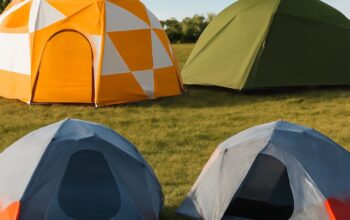
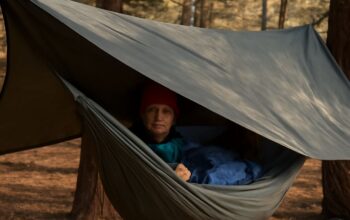
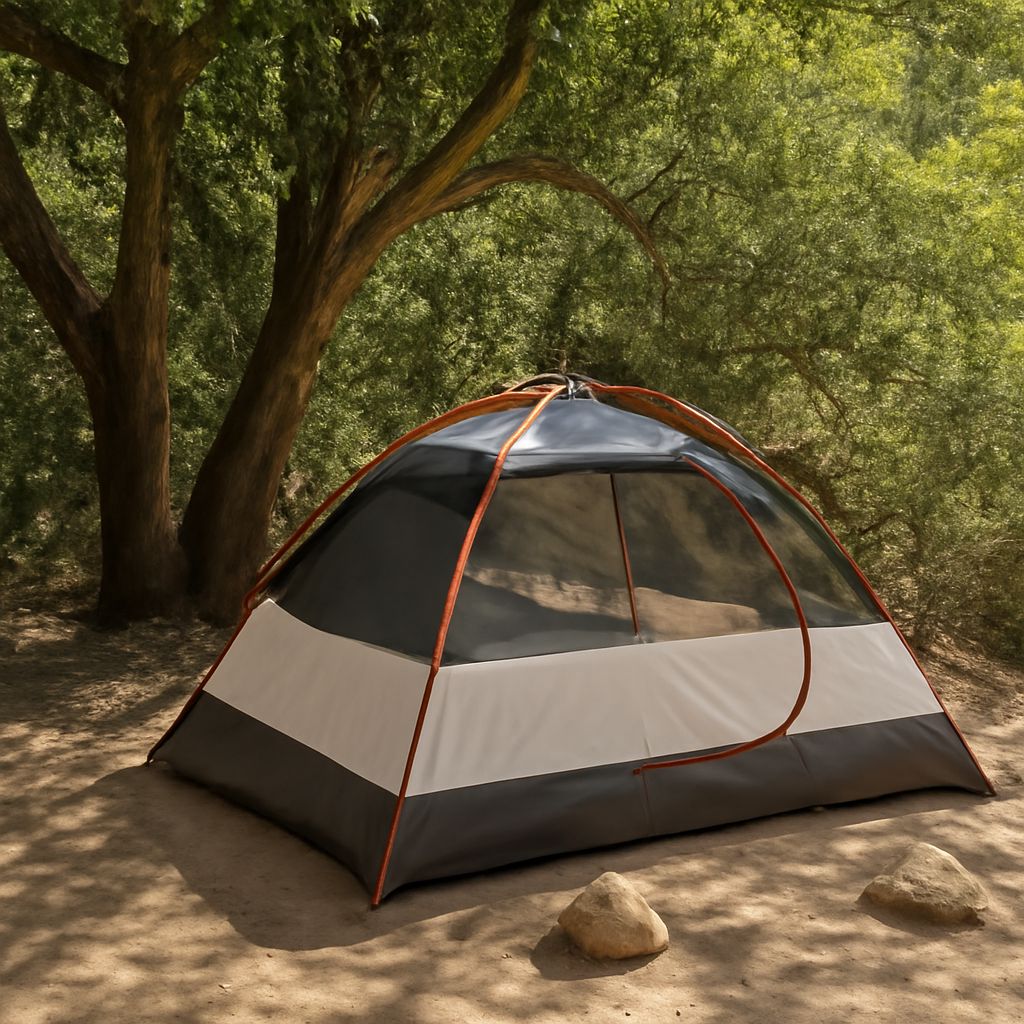
- Subjects: Look for focal points like tents, campfires, or interesting landscapes. Consider including people to add a sense of scale and activity.
Choosing the Right Equipment for Camping Photos
Having the correct equipment can make a significant difference in the quality of your camping photos. While professional gear is beneficial, it’s not always necessary.
- Camera: A DSLR or mirrorless camera offers more control over settings, but high-end smartphones can also produce excellent results.
- Lenses: A wide-angle lens is great for capturing expansive landscapes, while a zoom lens can help isolate subjects.
- Tripod: Stabilizes your camera for long exposures, especially useful in low-light conditions.
- Accessories: Consider filters to manage light and enhance skies, and a remote shutter release for reducing camera shake.
Best Practices for Capturing Campsite Pictures
Once equipped, applying best practices in the field will help in capturing those perfect shots.
- Experiment with Angles: Try shooting from different perspectives. Get low to the ground or find elevated spots for a unique view.
- Focus on Details: Instead of only wide shots, take close-ups of interesting details such as dew on leaves or the texture of a tree bark.
- Capture the Moment: Document candid moments or activities, like setting up a tent or cooking over a campfire, to tell a story.
- Weather Considerations: Cloudy skies can provide diffused lighting, while clear skies offer vibrant colors. Each weather condition offers different creative opportunities.
Editing Techniques to Enhance Your Campground Pictures
Post-processing is a crucial step in enhancing your images. Editing can transform good photos into stunning ones, emphasizing the mood and atmosphere of the scene.
- Color Correction: Adjust the white balance to ensure colors appear natural and consistent with the setting.
- Contrast and Exposure: Fine-tune the exposure to ensure details are visible, and adjust contrast to add depth.
- Sharpening: Apply sharpening selectively to enhance textures without causing noise in the image.
- Filters and Effects: Use filters sparingly to maintain the authenticity of your photos. Subtle vignettes can draw attention to the center of the image.
By applying these techniques and understanding the nuances of campsite photography, your camping photos will not only capture the essence of your outdoor adventures but also stand out in any photo collection.