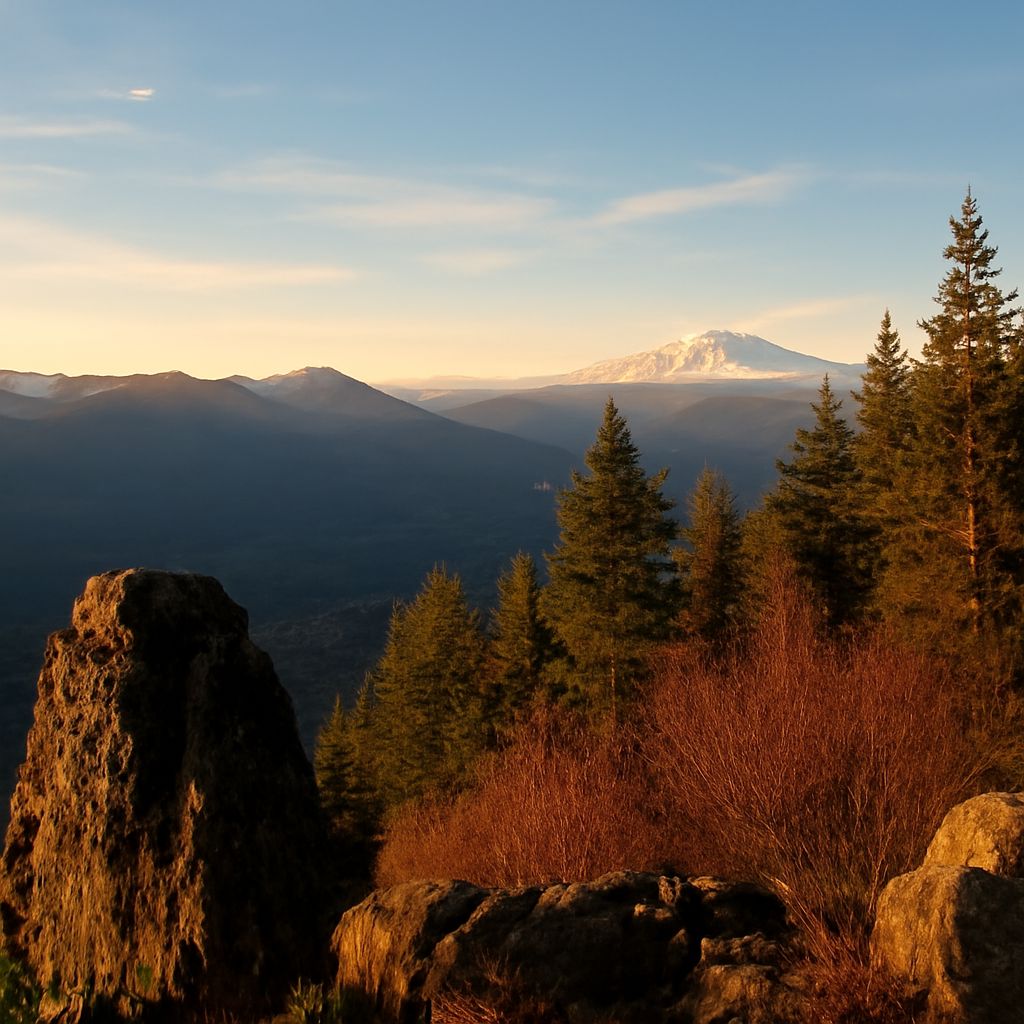
Mount Si stands as one of Washington’s most recognizable outdoor landmarks, drawing thousands of hikers each year to its rugged slopes. Known for its steep elevation gain and panoramic summit views, the Mount Si trail presents a quintessential Pacific Northwest hiking experience. This guide covers everything you need to know for a successful journey to the summit, from trail features and logistics to preparation tips and safety essentials.
Overview of Mount Si and Its Significance
Mount Si rises dramatically above the Snoqualmie Valley, just over 30 miles east of Seattle. With an elevation of 4,167 feet at its peak, Mount Si is part of the Cascade Range and serves as a prominent backdrop to the town of North Bend. The mountain’s cultural significance is rooted in both local natural history and Native American legend, notably featuring in Snoqualmie Tribe traditions and modern Pacific Northwest lore. Over the decades, it has become a rite of passage for outdoor enthusiasts and is often used by locals as a training ground for higher alpine climbs.
The popularity of Mount Si is matched by its ecological importance. The mountain supports a diverse range of plant and animal life, from Douglas fir and western hemlock forests at its base to rocky outcrops and subalpine wildflowers closer to the summit. The accessibility of the trailhead—just a short drive from major urban centers—makes it an appealing destination for day hikers seeking a challenging but attainable climb with rewarding vistas.
Given its legendary status, hiking Mount Si is often on the must-do list for visitors and residents alike. The trail’s combination of physical challenge, scenic beauty, and historical resonance secures its place as one of the Pacific Northwest’s most iconic hikes.
Mount Si Trail Details and What to Expect
The Mount Si trail is a well-maintained, out-and-back route that stretches approximately 8 miles round-trip, with a total elevation gain of about 3,150 feet. The journey begins at the Mount Si Trailhead (elevation 700 feet), located just outside North Bend. Early sections wind through dense temperate forest, with the path quickly beginning a steady, relentless climb. Switchbacks dominate much of the ascent, featuring a mix of compacted dirt, rocks, and occasional roots.
As hikers gain elevation, forest transitions to patches of exposed rock and occasional viewpoints. Notable rest stops along the way include Snag Flat (about 1.5 miles in) and a series of rock outcrops that provide sweeping views of the valley below. The final section is the most demanding: the last half mile steepens amid rocky switchbacks, culminating at the base of a prominent rocky ledge known as “the Haystack.”
The official Mount Si trail ends at a viewpoint just below the Haystack (elevation 3,900 feet), offering expansive views of Mount Rainier, the Snoqualmie River Valley, and, on clear days, the Seattle skyline. The Haystack scramble itself is optional and should only be attempted by experienced hikers with proper footwear and comfort on exposed rock. Most visitors choose to enjoy the main viewpoint, which is both safe and spectacular.
On busy weekends, expect significant foot traffic, especially during peak hiking months. The trail is clearly marked, and signage at key junctions helps guide visitors. There are no water sources along the route, so hikers should carry enough for the duration of their ascent and descent.
Planning Your Mt Si Hike: Tips and Essentials
Preparation is key to a safe and enjoyable hike on Mount Si. The trail’s popularity means that parking at the Mount Si Trailhead can fill quickly, particularly on weekends and holidays. Arrive early—ideally before 8 a.m.—to secure a spot. A Discover Pass is required for parking; passes can be purchased in advance or at nearby vendors in North Bend.
Sturdy hiking boots are strongly recommended due to the combination of steep gradients, exposed roots, and rocky sections. Trekking poles can provide added stability, especially on the descent. Layered clothing is advisable, as temperatures can fluctuate with elevation gain and varying weather. Even in summer, the summit can be breezy and cool.
Essential items for the Mount Si hike include at least 2 liters of water per person, snacks or a light meal, a basic first aid kit, navigation tools (map, GPS, or phone with offline maps), sun protection, and a rain jacket. Insect repellent may be useful during spring and summer months. Do not rely on cell service for navigation or emergencies; coverage is limited in forested and higher-elevation areas.
Pets are allowed on the Mount Si trail but must remain leashed at all times. The trail can be physically demanding for dogs, so ensure pets are well-conditioned and pack extra water for them. Leave no trace principles apply—pack out all trash and be respectful of wildlife and other trail users.
When to Hike Mount Si and Key Safety Considerations
The best time to hike Mount Si is from late spring through early fall, typically May through October. During these months, the trail is generally snow-free, and weather is more stable. Early mornings offer cooler temperatures and fewer crowds. Winter and early spring hikes are possible but often require additional equipment (such as microspikes or gaiters) due to lingering snow and ice above 2,500 feet. Check local trail conditions and weather forecasts before setting out.
Rapid weather changes are common in the Cascades, even in summer. Hikers should be prepared for rain, wind, and sudden drops in temperature at higher elevations. Storms can roll in quickly; turn back if conditions deteriorate. Lightning risk increases on exposed outcrops like the Haystack, so avoid the summit during thunderstorms.
The steep and sustained grade tests endurance, particularly for less experienced hikers. Allow 4 to 7 hours for a round-trip hike, depending on pace and rest stops. Hydration and pacing are crucial—take breaks as needed and monitor for fatigue or signs of heat-related issues. Trail etiquette includes yielding to uphill hikers, keeping noise to a minimum, and stepping aside for faster-moving groups.
Emergency response on Mount Si may be delayed due to terrain and access. In case of injury or distress, remain on the main trail to facilitate search and rescue efforts. Inform someone of your plans and expected return time. Practice leave no trace ethics to preserve Mount Si’s natural beauty for future hikers.