The Laugavegur Trail is Iceland’s premier trekking route, renowned for its strikingly diverse landscapes and geothermal wonders. Stretching 55 kilometers (about 34 miles) from Landmannalaugar to Þórsmörk, the Laugavegur Trail attracts hikers from around the world seeking dramatic scenery and an immersive wilderness experience. This guide provides detailed information on the trail’s route, best hiking season, and practical tips for planning your Laugavegur trek.
What Is the Laugavegur Trail?
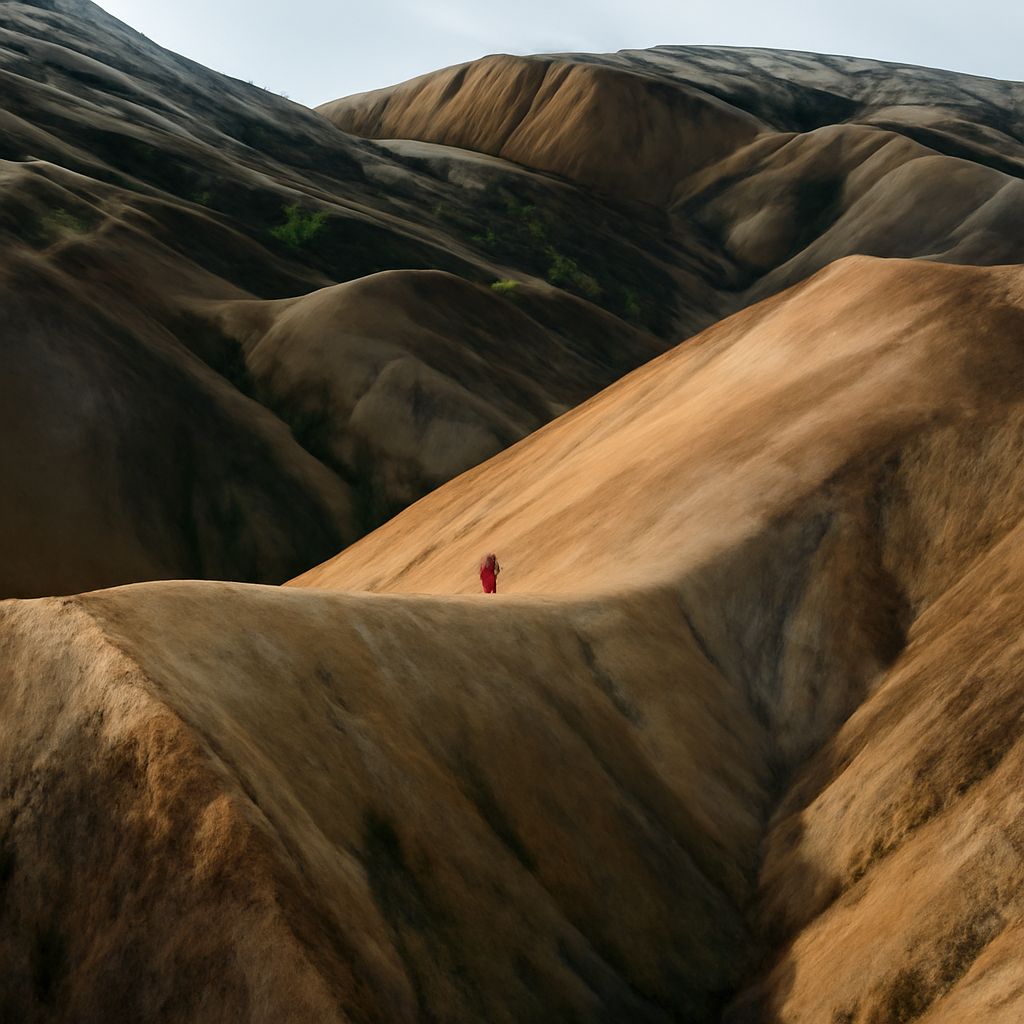
The Laugavegur Trail is a multi-day hiking route in Iceland’s southern Highlands, often considered one of the world’s most beautiful treks. The name “Laugavegur” translates to “Hot Spring Route,” referencing the geothermal activity along the path. Hikers encounter a unique mix of colorful rhyolite mountains, black sand deserts, steaming hot springs, verdant valleys, and glacial rivers.
Laugavegur Trail Iceland offers a remote yet accessible adventure, with clearly marked paths and well-maintained huts along the way. It can be completed independently or as part of a guided group. Most hikers traverse the route southbound from Landmannalaugar to Þórsmörk, but it is also possible to walk in the opposite direction. The trek is typically completed in four to five days, making it manageable for moderately experienced hikers with a reasonable fitness level.
The Laugavegur trek has become iconic due to its ever-changing landscapes and sense of immersion in the raw forces of nature. Although not technically difficult, the route demands respect for the rapidly changing Icelandic weather and rugged terrain.
Route Overview and Key Landmarks
The Laugavegur Trail covers approximately 55 kilometers (34 miles), with daily sections ranging from 12 to 16 kilometers. The standard route begins in Landmannalaugar, a geothermal area famous for its colorful mountains and steaming hot springs, and ends in Þórsmörk, a lush valley beneath volcanic glaciers. Many hikers extend the journey by continuing from Þórsmörk to Skógar via the Fimmvörðuháls Pass, adding about 24 kilometers and new volcanic scenery.
The trail is divided into four traditional stages, each ending at a mountain hut and campsite:
- Landmannalaugar to Hrafntinnusker: The route climbs through lava fields, rainbow-hued rhyolite mountains, and steaming fumaroles. Expect volcanic ridges and snow patches well into summer.
- Hrafntinnusker to Álftavatn: This section descends to green valleys and open highlands, passing through obsidian lava fields and crossing the first of several rivers.
- Álftavatn to Emstrur (Botnar): Hikers traverse black sand deserts, cross more rivers (with cold, knee-deep water possible), and witness dramatic mountain vistas as well as the Markarfljót canyon.
- Emstrur (Botnar) to Þórsmörk: The route continues through rolling hills and birch woodland, finishing at the lush, sheltered Þórsmörk valley surrounded by glaciers and volcanic peaks.
Key landmarks include colorful Brennisteinsalda and Bláhnúkur peaks, the geothermal springs of Landmannalaugar, obsidian fields near Hrafntinnusker, the tranquil lake of Álftavatn, and the dramatic canyons and glaciers around Þórsmörk. River crossings are a memorable feature; some require fording on foot, as there are no bridges on the main trail sections.
Best Time to Hike the Laugavegur Trail
The optimal season for hiking the Laugavegur Trail is from late June to mid-September. During this period, Iceland’s interior highlands are generally snow-free, and the mountain huts and buses operate on a regular schedule. Attempting the Laugavegur trek outside this window is not recommended without extensive experience and preparation, as snow, high rivers, and extreme weather make the route hazardous.
July and August are the most popular months, offering long daylight hours, relatively stable weather, and the fullest operation of infrastructure. Snowfields may persist into early July at higher elevations. Early and late season hikes (late June or early September) provide a quieter experience but come with increased risk of cold spells and sudden storms.
The weather on the Laugavegur Trail Iceland is famously unpredictable. Hikers should prepare for rain, wind, sunshine, and even sleet or snow within a single day. Checking the latest forecasts from the Icelandic Met Office is essential before setting out, and flexibility is advised when planning daily distances or hut stays.
Planning Your Laugavegur Trek: Logistics and Packing Tips
Careful planning is key to a safe and enjoyable Laugavegur trek. Most hikers start their journey in Reykjavík, traveling to Landmannalaugar by highland bus. At the end of the route, regular buses connect Þórsmörk and Reykjavík during the hiking season. Advance booking is strongly recommended for both transportation and mountain huts, as spaces can fill quickly in peak months.
Accommodation: Hikers can choose to stay in mountain huts (operated by Ferðafélag Íslands, the Icelandic Touring Association) or camp beside the huts. Huts are basic but comfortable, offering bunks, toilets, and communal kitchens; they do not provide food or bedding. Camping is not permitted outside designated areas.
Packing: Essential gear includes a robust rainproof jacket and pants, layered clothing for temperature changes, a warm hat and gloves, a sturdy backpack, and supportive hiking boots. A sleeping bag, quick-dry towel, and lightweight cooking setup are needed for those camping or using hut kitchens. Trekking poles are helpful for river crossings and uneven ground. Carry a map, GPS or trail app, and a power bank for electronics.
Food and Water: There are no shops along the trail, so hikers must carry all food. Lightweight, high-calorie meals and snacks are recommended. Water can usually be refilled at huts or streams, but purification tablets or filters are advised, especially in early season.
Safety: The Laugavegur Trail is well-marked, but visibility can deteriorate quickly in fog or storms. Always inform someone of your itinerary, and consider renting a personal location beacon. River crossings can be hazardous after heavy rain or melting snow—assess conditions carefully and cross with care.
With preparation and respect for Iceland’s wild conditions, the Laugavegur Trail provides an unforgettable trekking adventure through some of the world’s most varied and enchanting landscapes.