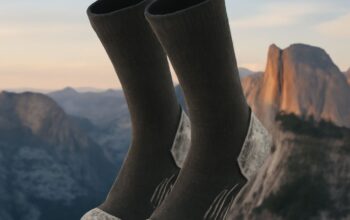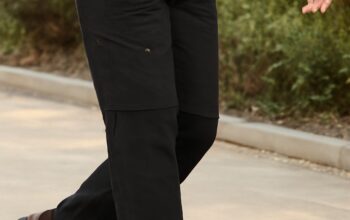
Choose women’s hiking boots and women’s hiking pants first, then build a compact day-hike kit around the route and forecast. Boots need a secure heel, room for the toes, and traction suited to the ground; pants should allow movement while managing rain, heat, and brush. The remaining hiking gear for women can stay focused on carrying, hydration, navigation, layers, food, first aid, and basic emergency needs.
For a day hike, selection should follow the terrain rather than appearance. A smooth, maintained trail can support lighter footwear and simpler clothing, while rocky, wet, remote, or changeable routes require more protection and backup equipment.
Choose women’s hiking boots: fit, traction, support, and weather trade-offs
Fit comes before support or waterproofing. Boots should be tried on with the socks intended for hiking, preferably later in the day when feet are slightly larger. The heel should stay seated while walking uphill, the midfoot should feel held without pressure, and the toes should not touch the front when descending. A thumb-width of space in front of the longest toe helps accommodate swelling and downhill movement. Lacing can fine-tune pressure, but it cannot fix the wrong width or volume.
Match the boot shape to the route:
- Light trail shoes or low-cut hikers: Suitable for maintained trails, lighter loads, and dry conditions. They flex easily and dry faster, but offer less ankle coverage and protection from rocks, mud, and vegetation.
- Mid-height hiking boots: Useful on uneven ground, longer day hikes, or routes carrying extra equipment. A firm sole and protective upper reduce foot fatigue and impact, while the taller collar can help keep debris out. Ankle height alone does not prevent rolling; stable fit and careful foot placement matter more.
- Traction: Deep, widely spaced lugs shed mud and grip loose soil. A closer lug pattern can feel smoother and more predictable on packed trails or rock. Wet roots, polished rock, snow, and ice require especially capable rubber; ordinary hiking lugs are not a substitute for traction devices on ice.
Weather protection involves a clear trade-off. Waterproof membranes help in steady rain, wet grass, and shallow puddles, but they can feel warmer and take longer to dry after water enters over the cuff. Mesh or non-waterproof uppers breathe better and dry quickly, making them practical for hot weather or routes with stream crossings when conditions are mild. Gaiters can add coverage, but no boot remains waterproof once water flows in from above.
Choose women’s hiking pants: fit, stretch, drying, ventilation, and coverage
The best women’s hiking pants allow a full stride, a deep crouch, and easy climbing without pulling across the hips or pinching at the waist. A contoured waistband, gusseted crotch, and articulated knees improve movement. The leg opening should work over the chosen boots without dragging on the ground. A relaxed fit allows a base layer underneath, while a closer fit reduces snagging on brush; either should leave enough room for unrestricted movement.
Stretch fabric is valuable on steep steps and scrambling, but excessive stretch can sag under a belt or dry slowly. Nylon or nylon-blend woven fabric with modest elastane usually balances durability, mobility, and drying speed. Quick-drying material is more useful than heavy cotton on humid trails or after rain. Look for thigh vents, zippered lower legs, or a lightweight fabric when heat is likely; ventilation should not compromise coverage from sun, insects, and abrasion.
Choose coverage according to exposure. Full-length pants protect against ticks, thorny vegetation, and strong sun. Convertible or roll-up designs add flexibility in warm weather, while a water-repellent finish handles light drizzle but will not replace rain trousers in prolonged wet conditions. Secure pockets should hold a phone, map, or small snack without swinging while walking.
Complete hiking gear for women: the compact day-hike checklist
- Pack: Use a comfortable 15- to 25-liter day pack for most short outings. Adjust the shoulder straps and hip belt so the load stays close to the back, then add a liner or rain cover for wet weather.
- Hydration: Carry about 1.5 to 2 liters of water for a moderate outing, increasing that amount in heat, at altitude, or where no reliable refill exists. A bottle or reservoir should be easy to reach; a filter is useful only when a safe, known water source is available.
- Navigation: Bring a paper map and compass, even when using a phone with downloaded maps. Keep the phone charged, enable offline positioning, and add a small power bank for longer or remote routes.
- Layers: Pack a moisture-wicking base layer, a light insulating layer, and a waterproof windproof shell. Add a sun hat, warm hat, or gloves when the forecast and elevation changes call for them.
- Food: Carry a meal or substantial snacks plus a small reserve. Choose food that remains usable if it gets warm or is compressed in the pack.
- Safety: Include a compact first-aid kit, headlamp, whistle, emergency blanket, and any required medication. Sunscreen, sunglasses, and insect repellent cover common exposure risks.
- Optional support: Trekking poles can improve balance and reduce strain on steep descents, but they should not replace appropriate boots, route planning, or careful footing.
Before departure, check the forecast, route distance, daylight, and water availability; share the route and expected return time with a trusted contact. Pack the rain shell, navigation tools, headlamp, and first-aid kit where they remain accessible rather than buried beneath spare clothing.