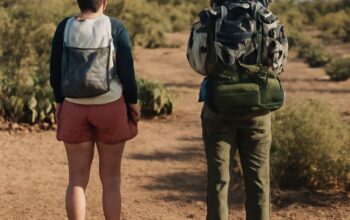
Ultralight camping gear works best when each item performs a defined job. A knife is not automatically part of that system: it earns space only when the trip includes tasks that cannot be handled by packaging, scissors, a repair tool, or careful preparation at home.
For most maintained-trail trips, a small folding knife or multitool is optional. A backpacking knife becomes more useful for frequent food preparation, cord cutting, field repairs, or trips where wood processing is permitted and genuinely required.
Ultralight Camping Gear: Start With Functions, Not a Knife
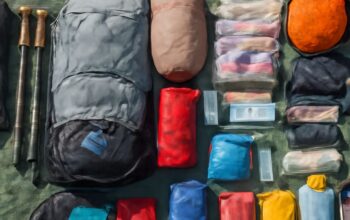
Build the kit around functions before choosing individual products. The essential systems are shelter, sleep, carry, food, water, clothing, and navigation. A typical compact setup includes:
- Shelter: A trekking-pole shelter, tarp, or lightweight tent, with stakes and only the guylines needed for expected conditions.
- Sleep: A sleeping bag or quilt rated for the forecast, an insulated sleeping pad, and a small pillow or packed clothing used as one.
- Carry: A backpack sized for the equipment and food, plus a liner or pack cover if rain exposure requires it.
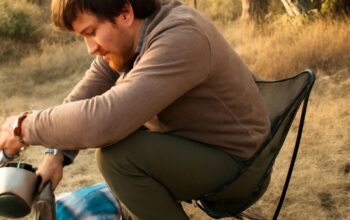
- Food: Meals, a small stove and fuel supply when cooking is needed, a pot or mug, and a spoon. Ready-to-eat food can remove the stove and pot.
- Water: Bottles or a reservoir, a filter or chemical treatment, and capacity for the longest dry stretch between sources.
- Clothing: A weatherproof shell, insulating layer, spare socks, sun protection, and clothing appropriate to the forecast rather than every possible condition.
- Navigation: A map, compass, and phone or GPS device when useful, with enough battery protection for the route.
First-aid supplies, a headlamp, repair materials, hygiene items, and an emergency layer support the core systems. Their value comes from protection or recovery, not from performing a duplicate version of another item.
Build the Essential Backpacking Equipment List
A practical backpacking equipment list separates required capability from convenience. Each item should answer a specific question: Does it provide shelter, warmth, hydration, food, movement, navigation, safety, or repair?
- Replace a separate camp pillow with a stuff sack and spare clothing when that combination remains comfortable.
- Use one pot as both cookware and eating vessel instead of carrying a pot, bowl, and mug.
- Choose a shelter that matches the forecast. Extra poles, a heavy footprint, and redundant storm accessories add weight when conditions do not require them.
- Measure fuel for the planned meals rather than carrying a full canister by habit.
- Carry the smallest water capacity that covers the route between reliable sources, while keeping treatment capability independent from storage.
- Use a phone for route recording only if a physical map and compass remain available as a navigation backup.
- Prepare food before departure so a knife is not needed for peeling, chopping, or opening difficult packaging on the trail.
Reduce Weight Without Losing Protection or Capability
Weight reduction should remove duplication, not safety margins. A second spoon is true duplication; a rain shell is necessary protection even when the forecast looks favorable. A backup navigation method may also be necessary capability rather than excess.
- Combine functions: A trekking pole can support a shelter, a sit pad can protect clothing during breaks, and a pot can serve as the eating container.
- Remove packaging: Repackage food, fuel accessories, toiletries, and first-aid items into durable, labeled portions. Keep instructions or identifying information when they affect safe use.
- Trim accessories carefully: Remove spare tent hardware or straps only after confirming the shelter remains secure in expected wind and rain.
- Preserve failure coverage: Retain a headlamp, repair tape, first-aid basics, insulation, and weather protection. These items address failures or exposure that a multitool cannot solve.
The same test applies to a knife. If scissors already cut tape and cord, meals are ready to eat, and no wood processing is planned, carrying a blade may duplicate existing capability.
Choose a Backpacking Knife for Actual Trail Tasks
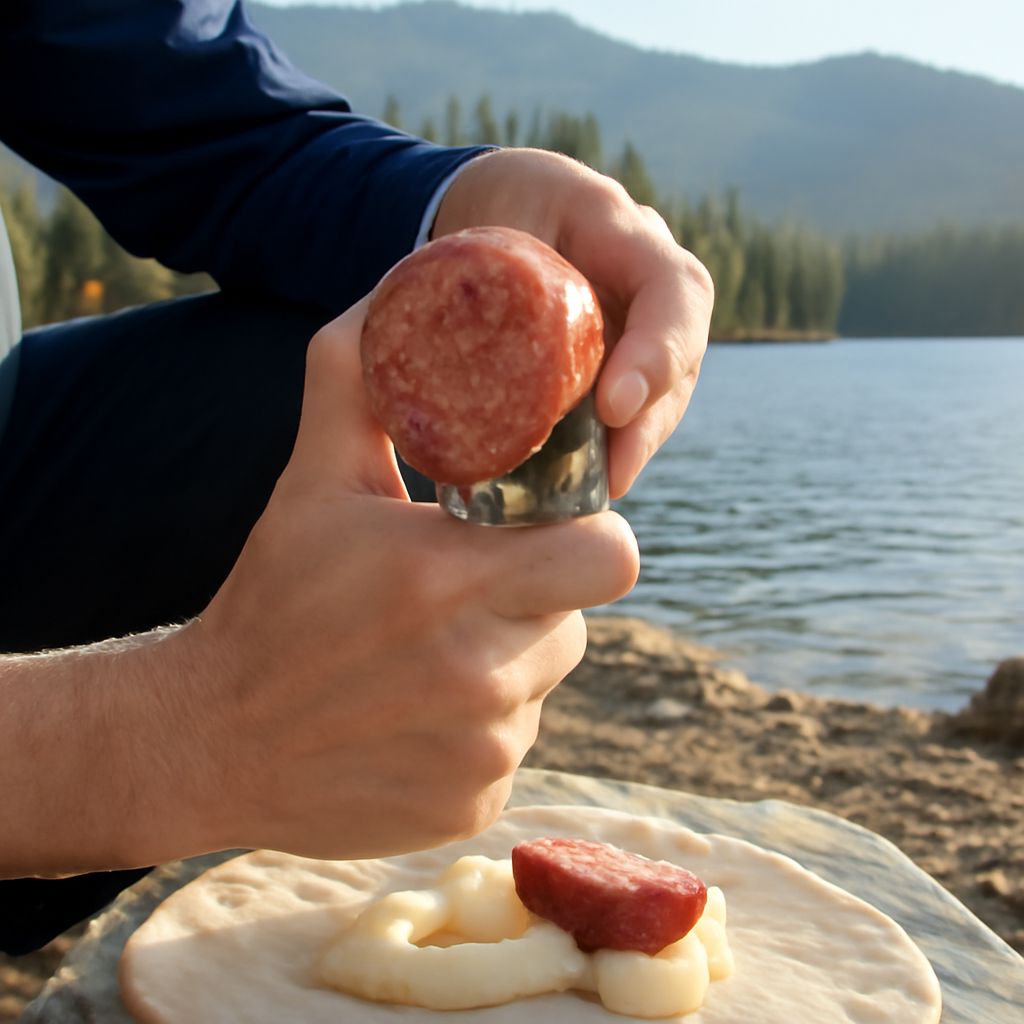
Match the knife to the most likely tasks, not to a survival scenario. For opening packets, trimming cord, cutting tape, removing splinters, or slicing cheese and sausage, a two- to three-inch folding blade weighing roughly 20 to 60 grams is usually sufficient. A secure lock, comfortable handle, corrosion-resistant steel, and a blade that can be cleaned easily matter more than aggressive styling.
A tiny scissors-based multitool can replace a knife when the main jobs are trimming tape, thread, and fingernails. It may also cover small repairs, but its short blades and narrow grips are less suitable for repeated food preparation. In that case, a small knife may be the lighter and simpler single-purpose choice.
A fixed blade can be appropriate when gloved use, wet conditions, or frequent cutting makes a folder awkward. It should remain compact, with a protective sheath and a blade sized for the work. A three-and-a-half- to four-inch blade only makes sense when the itinerary includes substantial food preparation, thicker cord, or limited camp tasks that justify its added weight.
Wood carving, splitting kindling, or processing small branches requires more blade strength and a safer grip, but those tasks should be confirmed as permitted and necessary. A large survival-style knife is not a default ultralight item; it adds weight and duplicates the work of a small blade on ordinary backpacking routes.
Omit the knife when every expected task has a lighter solution already packed. Carry the smallest suitable model when the trip includes repeated cutting, difficult packaging, field repairs, or a clear need for independent blade capability.