For backpacking for beginners, a modest overnight or two-night trip is the best way to learn what is genuinely useful. The load should cover shelter, sleep, food, water, clothing, navigation, and small repairs without adding equipment for every possible scenario.
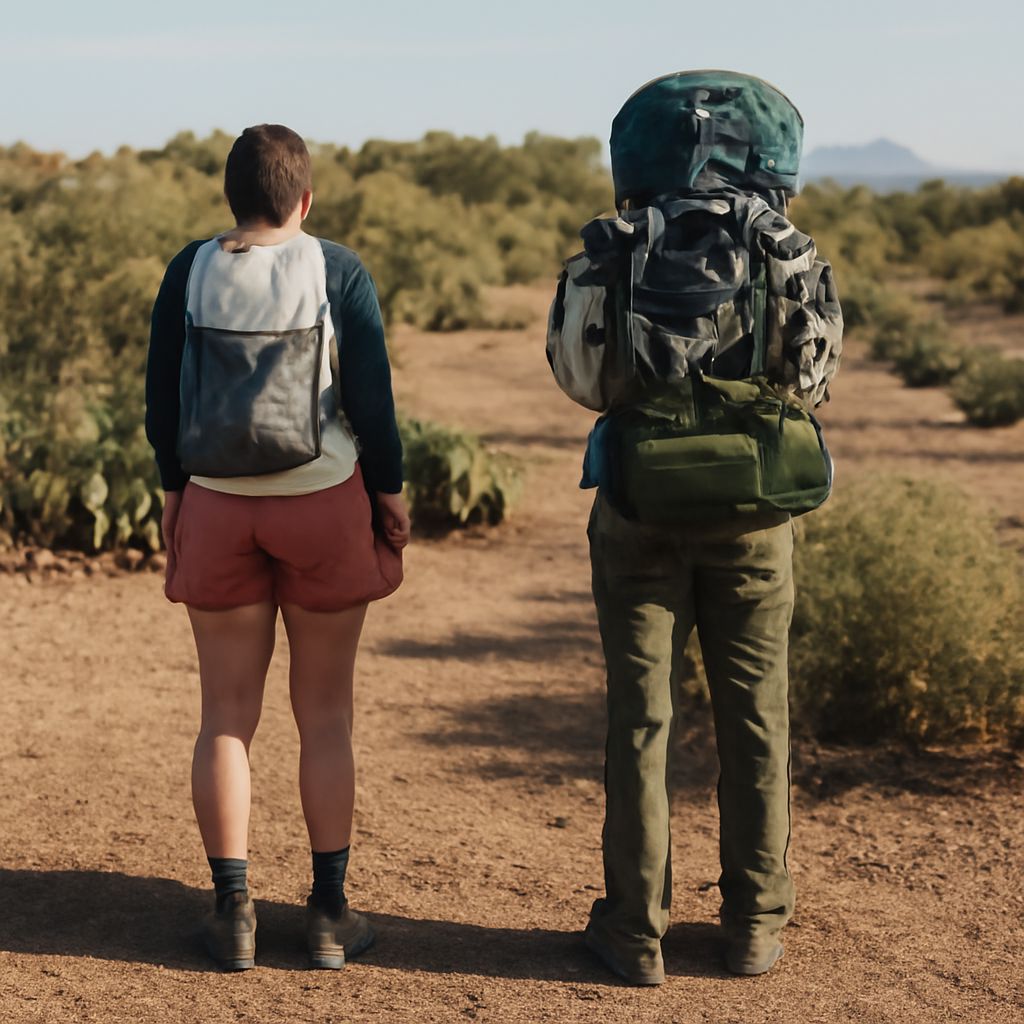
Backpacks for backpacking are chosen from the packed load, not the other way around. A 40- to 55-liter pack usually suits a compact first-trip kit, while a larger pack can encourage unnecessary items. Fit matters as much as capacity: the pack should transfer most of its weight to the hips and remain stable while walking.
Build Your Backpacking Supplies List for a Modest First Trip
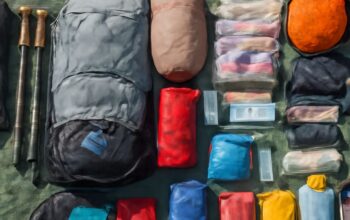
Start by laying out every item before choosing the pack. The following backpacking supplies cover the basic systems for a mild-weather trip on an established route:
- Shelter: A tent, tarp, or other weatherproof shelter, plus stakes and a groundsheet if required. A shared shelter can reduce each person’s load.
- Sleep: A sleeping bag or quilt rated for the expected low temperature and an insulated sleeping pad. The pad is both insulation and cushioning, so a substitute such as clothing is rarely adequate.
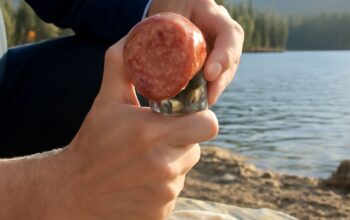
- Food: Ready-to-eat meals, snacks, and a spoon or other utensil. Pack enough for the planned nights plus a small margin, and use packaging that limits bulk and waste.
- Water: At least one durable bottle or reservoir and a treatment method such as a filter, tablets, or boiling equipment. Capacity depends on reliable sources along the route; a common starting point is 2 to 3 liters.
- Clothing: Moisture-managing hiking clothes, warm insulation, rain protection, spare socks, and sleep layers. Avoid packing a complete spare outfit unless conditions or hygiene needs justify it.
- Navigation and safety: A map, compass, charged phone with an offline map, headlamp, small first-aid kit, and emergency communication or signaling equipment appropriate to the area.
- Basic repair: Tenacious tape or similar adhesive, a few feet of cord, needle and thread, spare strap hardware, and a small knife or multitool. Keep repairs light and specific to the equipment being carried.
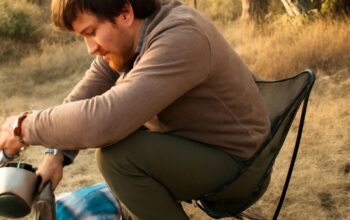
Useful optional items include trekking poles, a camp chair, coffee equipment, a camera, and a book. Add them only after the essentials fit comfortably. Toiletries should be reduced to small quantities, and fuel should match the stove and cooking plan rather than being carried by habit.
Backpacking for Beginners: Match Pack Volume and Fit to the Load
Pack volume describes internal space in liters; it does not indicate how much weight the pack can safely carry. For a compact warm-weather overnight, 35 to 45 liters may be enough. A two-night kit, bulky sleeping bag, bear-resistant food container, or colder-weather clothing may require 45 to 60 liters. A realistic beginner load is about 20 to 30 pounds, including food and carried water, although shelter type and conditions can move that range higher.
Measure torso length from the prominent bone at the base of the neck to the point between the top of the hip bones. Use that measurement against the manufacturer’s size range, then select a pack with an adjustable harness when possible. Torso length is separate from height; a tall person may still need a short torso setting.
When fitted, the hip belt should wrap over the upper hip bones, with the padded center sitting on the iliac crest rather than the waist. Tighten it firmly before adjusting the shoulder straps. Shoulder straps should follow the body without gaps, while load lifters should angle back slightly from the top of the pack. The sternum strap stabilizes the harness but should not restrict breathing. A properly fitted pack feels supported at the hips, not suspended from the shoulders.
Pack the Load in Order and Test the Carry
- Place low-use items first: Put the sleeping bag, sleep clothes, and other soft items at the bottom. Use a liner or pack cover to protect them from moisture.
- Center the dense weight: Position food, water treatment, stove fuel, and cookware close to the back panel and between the shoulders and hips. Keep fuel sealed and separate from food.
- Fill the upper middle: Add shelter components, spare clothing, and other items that may be needed during camp setup. Compress empty spaces without crushing delicate equipment.
- Keep immediate items accessible: Store rainwear, snacks, navigation tools, headlamp, first aid, and water where they can be reached without unpacking the entire bag.
- Secure the outside carefully: Attach only damp items or gear that genuinely does not fit inside. Loose equipment can snag, swing, or become wet.
Before departure, weigh the fully loaded pack with food, fuel, and the planned water amount. Carry it around the home, then walk for 30 to 60 minutes on varied terrain. Check the fit after 10 minutes and again at the end: hip-belt slipping, shoulder numbness, pressure points, shifting contents, or excessive sway indicate a problem.
Adjust one element at a time, redistribute dense items, and retest. The finished carry should allow normal breathing, clear visibility of the feet, and comfortable movement without repeatedly tightening the straps.