Choosing the right track and field shoes can significantly enhance performance and comfort during athletic activities. Whether you’re sprinting, hurdling, or long jumping, the correct footwear is essential. This guide will explore the different types of track running shoes, how to select appropriate track spikes, and the features that make for good track shoes.
Understanding Track and Field Shoes
Track and field shoes are specialized footwear designed to enhance performance across various events. These shoes are typically lighter than regular running shoes and are engineered to provide optimal traction, support, and comfort. They are divided into different categories based on the specific track events they are designed for, such as sprinting, middle-distance running, long-distance running, and field events.
Types of Track Running Shoes
Track running shoes are crafted to suit the demands of different track events. The main categories include sprinting shoes, middle-distance shoes, and distance shoes. Sprinting shoes are lightweight and feature stiff soles with minimal cushioning, providing maximum power transfer and speed over short distances. Middle-distance shoes offer a balance of weight and cushioning, making them versatile for events ranging from 400 meters to 1500 meters. Distance shoes provide more cushioning and support, suitable for races beyond 1500 meters, such as 5K and 10K events.
Selecting the Right Track Spike
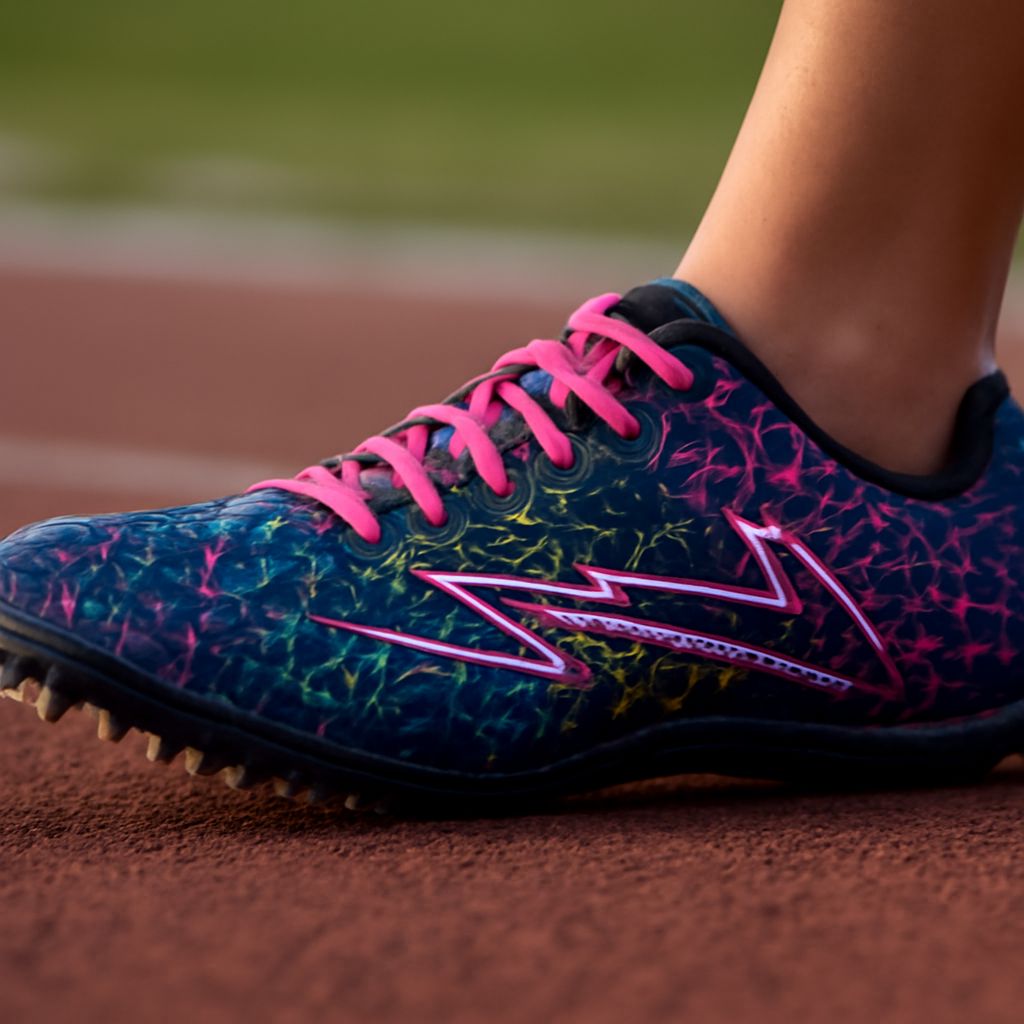
Track spikes are a crucial component of track and field shoes that provide additional traction on the track surface. The selection of track spikes depends on the specific event and personal preference. Sprinters typically use spikes with fewer pins and a stiffer plate for explosive speed. Middle-distance runners may prefer a combination of traction and flexibility, while distance runners often select spikes that offer more comfort and support over longer races. The material and length of the spikes should also be considered, with metal spikes providing superior grip but potentially being restricted on some tracks.
Features of Good Track Shoes
Good track shoes share several key features that contribute to optimal performance. Lightweight construction is paramount, as it minimizes fatigue and allows for greater speed. Breathability and a snug fit are also essential, ensuring comfort and preventing blisters during intense activity. Additionally, the outsole must provide excellent traction, and the midsole should offer adequate cushioning to absorb impact while maintaining responsiveness. Durability is another important factor, as track shoes must withstand the rigors of frequent training and competition.
When selecting track and field shoes, it’s crucial to consider the specific needs of your chosen events and your personal preferences. By understanding the different types of track running shoes and track spikes, athletes can make informed decisions that enhance their performance on the track.