Pikes Peak, one of the most famous mountains in the United States, attracts hikers from around the world. Known for its stunning views and challenging ascent, hiking Pikes Peak offers an unforgettable experience. This guide outlines the key aspects of the Pikes Peak hike, including trail options, duration, preparation tips, and what hikers can expect on the trail.
Overview of Pikes Peak Hike
Pikes Peak, located in the Rocky Mountains of Colorado, stands at 14,115 feet. The mountain is accessible via several trails, each offering unique challenges and scenic views. Hikers are rewarded with panoramic vistas and the satisfaction of conquering a significant elevation gain.
Popular Pikes Peak Trails
Several trails lead to the summit of Pikes Peak, with Barr Trail being the most popular. This trail starts in Manitou Springs and spans approximately 13 miles one way. Another option is the Crags Trail, which is shorter at around 12 miles round trip but slightly steeper.
- Barr Trail: Known for its length and scenic beauty, this trail offers well-maintained paths and several rest areas. It is the preferred choice for many experienced hikers.
- Crags Trail: A less crowded alternative, Crags Trail provides a challenging yet rewarding hike with fewer switchbacks and stunning rock formations.
How Long Does It Take to Hike Pikes Peak?
The time it takes to hike Pikes Peak varies based on trail choice, hiker fitness level, and weather conditions. On average, hiking the Barr Trail can take between 6 to 10 hours one way, depending on pace. The Crags Trail, being shorter, typically takes about 4 to 6 hours one way.
It’s crucial to consider these durations as estimates. Weather, altitude, and personal stamina significantly impact the hiking time. Hikers should plan for a full day to ensure a safe and enjoyable experience.
Essential Tips for a Successful Hike
Proper preparation is key to a successful hike on Pikes Peak. Here are some essential tips:
- Acclimate to Altitude: Spend a day or two in Colorado before attempting the hike to adjust to the altitude.
- Start Early: Begin your hike at dawn to avoid afternoon thunderstorms and have ample daylight.
- Pack Wisely: Bring plenty of water, high-energy snacks, and weather-appropriate clothing. Layers are recommended due to fluctuating temperatures.
- Check Weather Conditions: Mountain weather can change rapidly, so check forecasts and be prepared to adjust plans if necessary.
What to Expect on the Trail
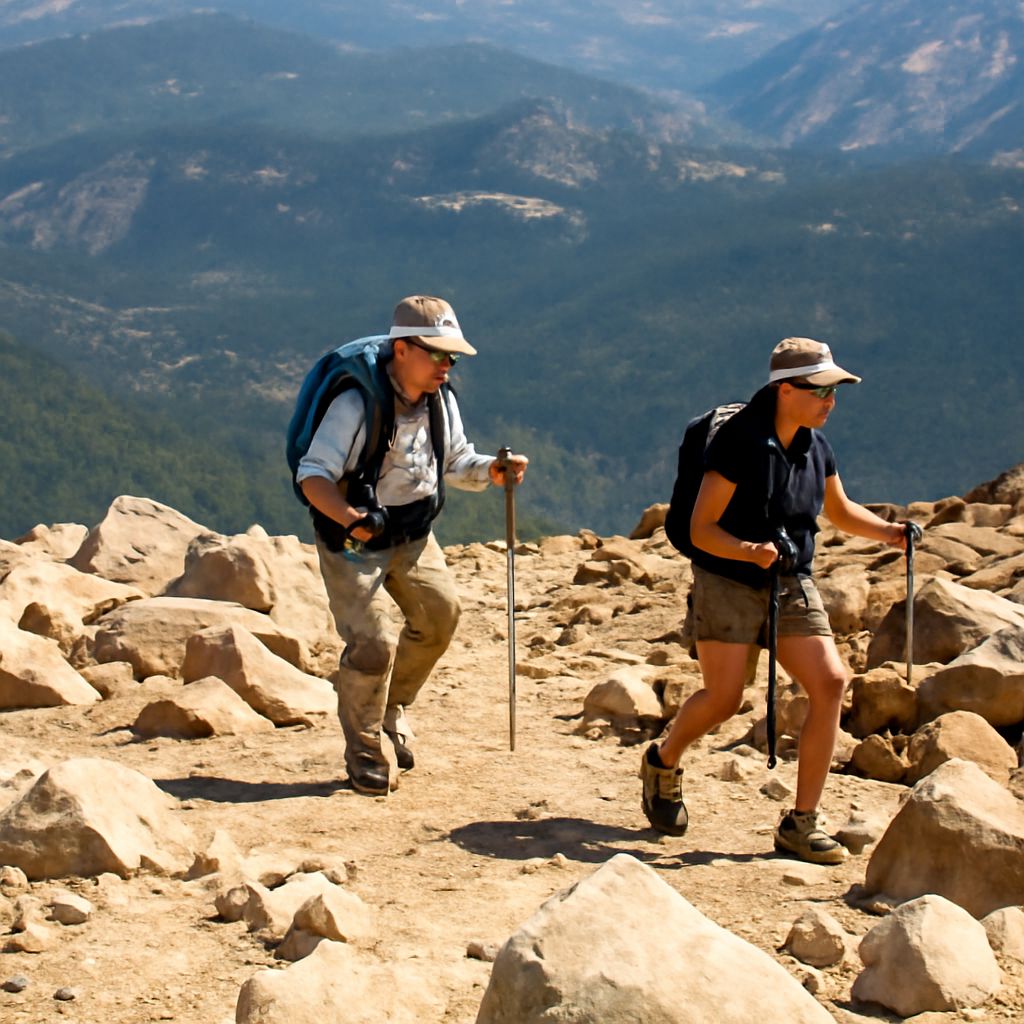
Hiking Pikes Peak offers a variety of landscapes, from dense forests to alpine tundra. The lower sections of the trail are shaded with abundant wildlife, while the higher elevations offer expansive views and rocky terrain.
As hikers ascend, the air becomes thinner, and the terrain more challenging. Altitude sickness is a common concern, so it’s important to recognize symptoms like headache and dizziness. Taking it slow and staying hydrated can help mitigate these effects.
Reaching the summit provides breathtaking views and a sense of accomplishment. Whether choosing to return the same way or arranging transport down, hikers leave with memories of an iconic adventure.