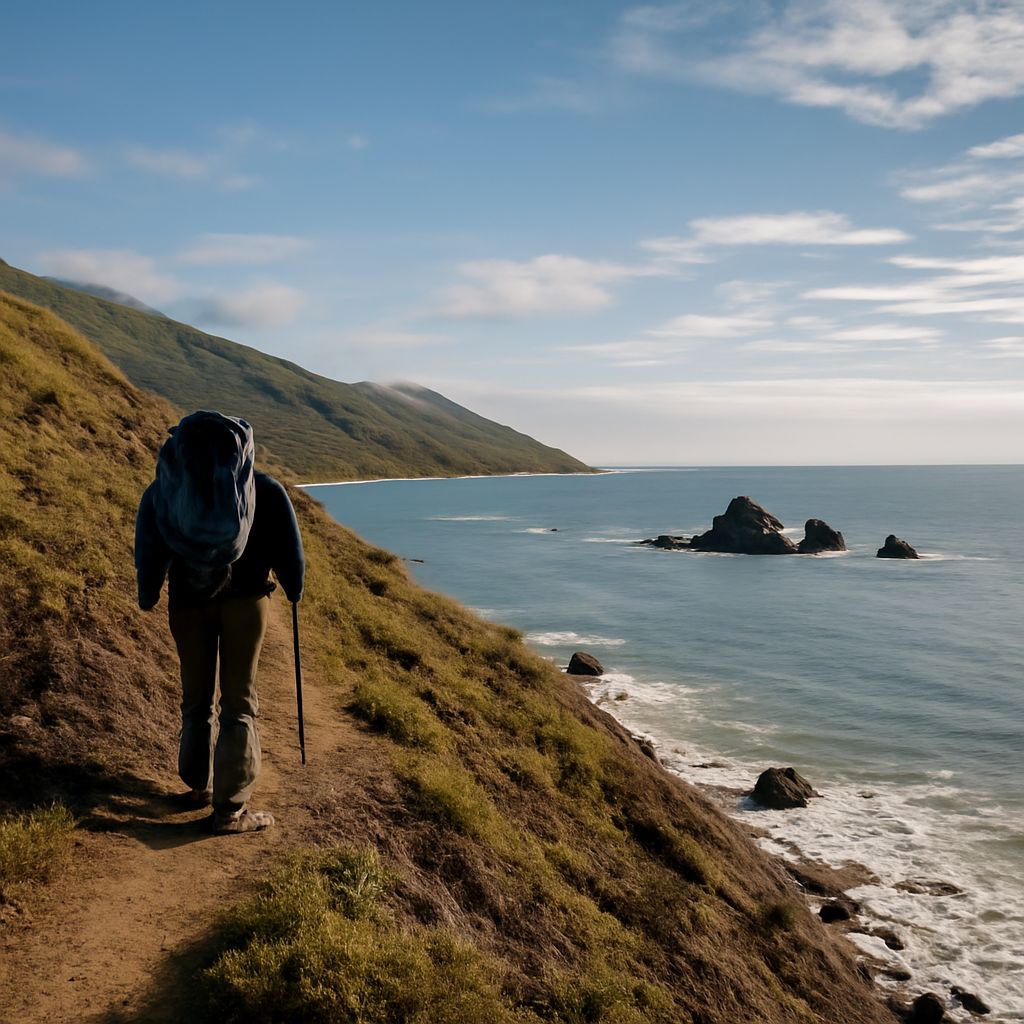
The Lost Coast Trail offers a unique adventure for hikers and backpackers seeking solitude and stunning coastal views. This remote trail, located in Northern California, is renowned for its rugged terrain and breathtaking scenery. Stretching about 25 miles, the trail promises a challenging yet rewarding experience.
Overview of the Lost Coast Trail
The Lost Coast Trail spans the King Range National Conservation Area, starting from Mattole Beach and extending to Black Sands Beach. The trail is divided into two sections: the northern section, characterized by sandy beaches and tidal zones, and the southern section, which includes more challenging climbs and descents. The trek typically takes three to four days, depending on pace and conditions. With its diverse landscapes, the Lost Coast Trail is a prime destination for those seeking an immersive outdoor experience away from the crowds.
Preparing for Your Lost Coast Backpacking Adventure
Successful navigation of the Lost Coast Trail requires careful planning and preparation. Backpackers should first secure any necessary permits, especially for camping. Checking weather forecasts is crucial, as conditions can change rapidly. Tides play a significant role in planning, as certain segments of the trail are impassable at high tide. Consulting tide tables and planning to traverse these areas during low tide is essential. It’s also advisable to inform someone of your itinerary and expected return, ensuring a safety net in place.
Essential Gear for the Lost Coast Hike
When packing for the Lost Coast hike, prioritize gear that supports safety and comfort. A sturdy backpack, waterproof tent, and sleeping bag rated for cooler temperatures are essential. Due to the variability of the weather, layering clothing is recommended. Waterproof hiking boots are crucial for navigating wet and rocky terrain. Additionally, carrying a reliable map and compass, or a GPS device, will help maintain your route. Pack food that is high in energy and easy to prepare, and ensure you have a water filtration system, as fresh water sources are limited along the trail.
Safety Tips and Best Practices
Safety is paramount when backpacking the Lost Coast Trail. Be aware of the wildlife, such as bears and mountain lions, and take precautions like storing food in bear-proof containers. Understanding tidal patterns is vital to avoid becoming trapped by rising waters. Always respect the natural environment and practice Leave No Trace principles to preserve the beauty of the area for future visitors. Lastly, be prepared for emergencies by carrying a first-aid kit and a communication device, like a satellite phone or personal locator beacon.