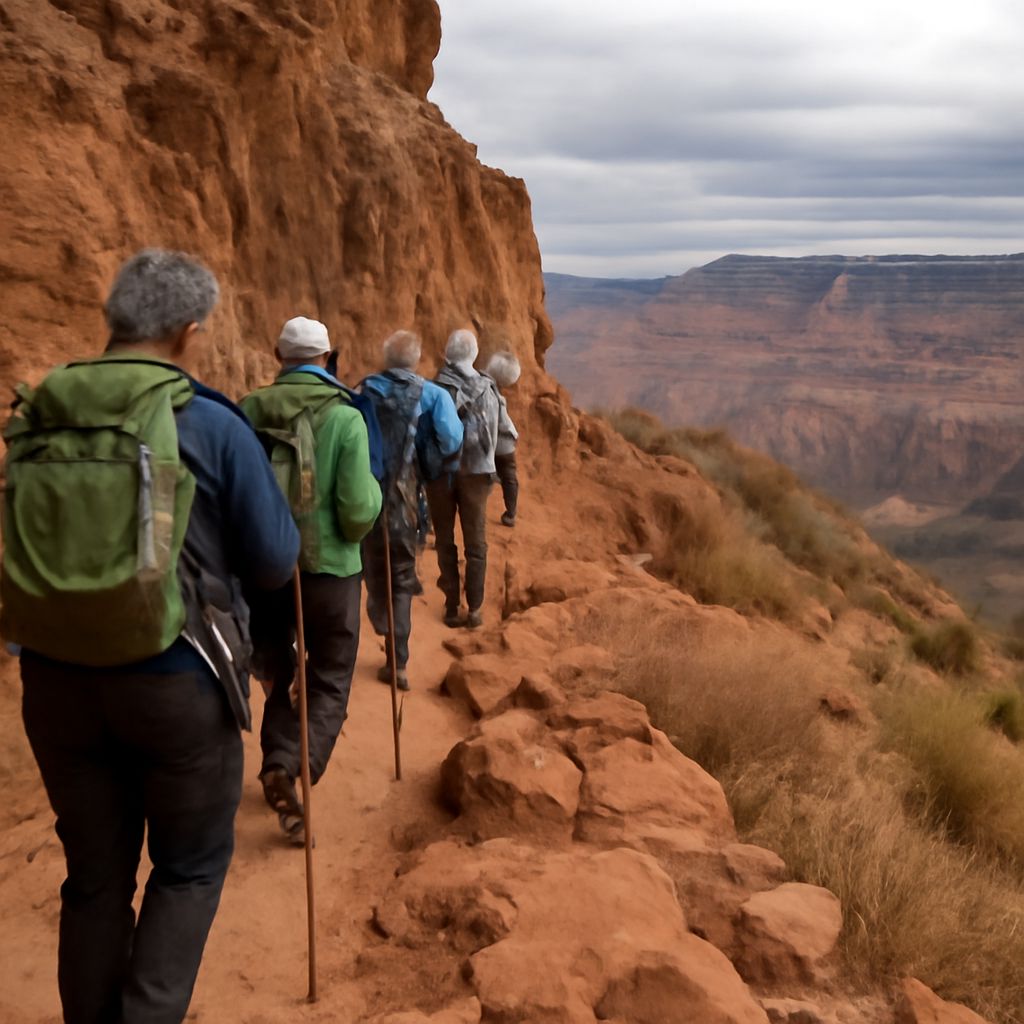
To hike Grand Canyon successfully, visitors need to balance ambition with preparation. Grand Canyon National Park offers day hikes ranging from short rim strolls to challenging descents below the rim, each demanding careful selection based on fitness, season, and experience. For those seeking memorable grand canyon day hikes, understanding the main trail options, planning logistics, and following safety protocols will ensure a rewarding adventure in this unique landscape.
Choosing the Right Grand Canyon Day Hike
Selecting a suitable hike in the Grand Canyon depends on several factors, including physical fitness, time available, group experience, and seasonal conditions. While the park’s rim trails offer scenic, less strenuous options, descending into the canyon involves significant elevation changes and exposure to weather extremes. Day hikers should consider round-trip distances, total elevation gain, and the turnaround time recommended by park rangers.
Two main corridors—South Rim and North Rim—offer the majority of accessible trails. The South Rim is open year-round, with the most popular starting points, while the North Rim has a higher elevation and closes in winter due to snow. When choosing a hike, review both the physical demands and the return ascent, which is often far more strenuous than the descent. Park guidelines caution against attempting to reach the river and return in one day, even for experienced hikers.
For first-time visitors, starting with shorter rim trails or partial descents is advised. More experienced hikers may opt for longer routes below the rim, but careful planning for daylight, water, and rest is essential. Consulting trail descriptions, elevation profiles, and recent trail conditions will help match the hike to your abilities and expectations.
Top Grand Canyon Day Hikes for Every Skill Level
The variety of Grand Canyon day hikes means there is a trail suitable for everyone, from casual walkers to experienced trekkers. Below are some of the most recommended hikes, organized by difficulty level:
-
South Rim Easy Options:
- Rim Trail: Spanning 13 miles from the South Kaibab Trailhead to Hermits Rest, the Rim Trail offers stunning canyon views with minimal elevation change. Hike any segment; shuttle stops allow easy access.
- Shoshone Point: A flat, 2.1-mile round-trip hike to a quiet overlook, accessible via a dirt road east of Grand Canyon Village.
-
South Rim Moderate Day Hikes:
- South Kaibab Trail to Ooh Aah Point: A 1.8-mile round-trip with about 600 feet of elevation loss and gain. This popular hike provides iconic views with a manageable effort.
- Bright Angel Trail to 1.5-Mile Resthouse: Descend 3 miles round-trip with 1,000 feet of elevation change. Water and restrooms are available seasonally; the trail is steeper on the return.
-
South Rim More Challenging Options:
- South Kaibab Trail to Cedar Ridge: 3 miles round-trip, 1,120 feet elevation change. Offers panoramic vistas, but no water is available on this trail.
- Bright Angel Trail to 3-Mile Resthouse: 6 miles round-trip, 2,120 feet of elevation change. More strenuous, this hike requires early starts and ample water.
-
North Rim Day Hikes:
- Bright Angel Point Trail: A 0.5-mile round-trip walk with dramatic views from the North Rim Lodge area.
- North Kaibab Trail to Coconino Overlook: 1.5 miles round-trip, a moderate descent with classic canyon perspectives.
Each trail offers unique geological features, from sculpted red cliffs to sweeping vistas. Before setting out, check current trail conditions and available services, as water and restrooms may not be accessible year-round on every route.
Planning Your Grand Canyon Hike: Permits, Seasons, and Gear
Planning the logistics is just as important as selecting a route. For day hikes, no permit is required provided you do not camp below the rim. However, parking at popular trailheads can fill quickly, especially during peak season (March–May and September–November). Arrive early and use park shuttle buses where possible.
Weather considerations are critical. Summer brings extreme heat to canyon interiors, often exceeding 100°F (38°C) by midday, while winter can produce icy rim trails and sudden storms. Spring and fall are ideal for moderate temperatures and lower crowd levels. Always check the official park forecast and trail alerts before your hike.
Packing appropriately for a day hike includes 2–4 liters of water per person, salty snacks, sun protection (hat, sunscreen, sunglasses), sturdy footwear, a map, a first-aid kit, and layers for changing temperatures. Trekking poles are helpful on steep descents and ascents. Cell phone coverage is limited; do not rely on it for emergencies. Refill water only at designated stations, and never drink untreated canyon water.
Time management is crucial. Plan to start early, as most hikers underestimate the time and effort required to ascend out of the canyon. Park rangers recommend setting a firm turnaround time and sticking to it, regardless of your position on the trail.
Safety Tips for Hiking the Grand Canyon
Safety is paramount when you hike Grand Canyon trails, as rescues are common and conditions can be unforgiving. The most frequent hazards include heat exhaustion, dehydration, hyponatremia (low salt from excessive water intake), falls, and sudden weather changes. Always pace yourself—ascending takes twice as long as descending. Take regular breaks in the shade and eat salty snacks to maintain electrolyte balance.
Never attempt to reach the Colorado River and return to the rim in a single day. Most search-and-rescue missions involve day hikers who overestimate their abilities and underestimate the challenging terrain. Inform someone of your planned route and expected return time.
If hiking in a group, travel at the pace of the slowest member and do regular headcounts. Watch for signs of distress, such as confusion, headache, nausea, or dizziness, and be prepared to turn back. Carry a whistle and a small emergency blanket in case you are delayed after dark. Familiarize yourself with exit routes and shuttle timetables before departure.
By respecting trail limits and environmental hazards, hikers can enjoy the remarkable beauty and geological wonder of the Grand Canyon while prioritizing safety and preparedness.