When venturing into the wilderness, having a reliable survival knife can make all the difference. Whether crafting shelter, preparing food, or navigating through dense foliage, the best survival knives are versatile tools essential for any outdoor enthusiast. This guide explores the key considerations when selecting the ideal survival knife for your needs, covering various types, features, and models to bolster your preparedness.
Understanding Survival Knives
A survival knife is a versatile tool designed to assist in various survival scenarios. Unlike typical kitchen knives or pocket knives, these are built to withstand tough conditions and perform multiple functions, from cutting and carving to prying and hammering. When choosing a survival knife, consider its durability, size, and adaptability to different survival tasks.
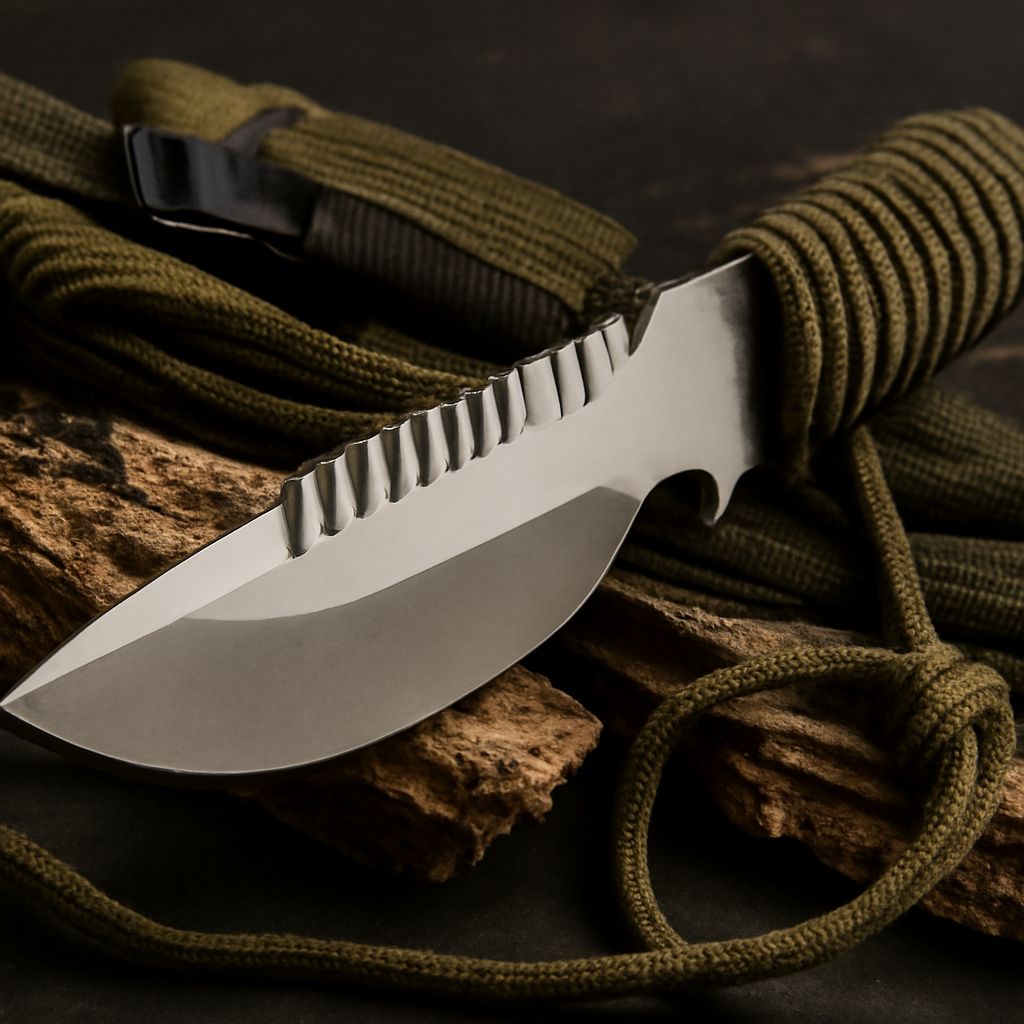
The primary types of survival knives include fixed-blade knives and folding knives. Fixed-blade knives are generally more robust and reliable, making them the preferred choice for heavy-duty tasks. They typically feature a full tang construction, where the blade extends the full length of the handle, providing superior strength and balance.
Top Features of the Best Bushcraft Knife
When looking for the best bushcraft knife, several features should be prioritized to ensure it meets the demands of bushcraft activities:
- Blade Material: High-carbon steel and stainless steel are popular choices, each offering specific advantages. High-carbon steel is easier to sharpen and generally holds an edge longer, while stainless steel provides better corrosion resistance.
- Blade Shape: A drop point or clip point blade shape is ideal for bushcraft, offering versatility for various tasks like skinning, carving, and slicing.
- Handle Design: Ergonomic handles with a comfortable grip are crucial for prolonged use. Materials like rubber, micarta, or G10 provide a secure grip, even in wet conditions.
- Blade Length: A blade length of 4 to 6 inches is typically sufficient for most bushcraft tasks, balancing control and cutting power.
Comparing Popular Survival Knife Models
Several survival knife models stand out for their performance and reliability. Here are some notable options:
- Morakniv Companion: Known for its affordability and high-quality steel, this knife is ideal for those new to bushcraft or camping. Its versatility and durability make it a popular choice among outdoor enthusiasts.
- ESEE 6P-B: This fixed-blade knife offers a full tang and a robust 1095 carbon steel blade, perfect for heavy-duty tasks. Its micarta handle provides an excellent grip, making it suitable for extended use.
- KA-BAR Becker BK2: Renowned for its toughness, the BK2 features a thick blade that can handle anything from chopping wood to skinning game. Its ergonomic handle and durable construction make it a favorite among survivalists.
- Gerber StrongArm: With a 420HC steel blade and a striking pommel for breaking through hard surfaces, this knife combines functionality and military-grade durability.
The Role of a Camp Knife in Your Gear
A camp knife serves a different yet complementary role in your outdoor gear. While not as heavy-duty as a dedicated survival knife, a camp knife is designed for more routine campsite tasks like food preparation, cutting rope, or minor woodwork.
Typically lighter and with a shorter blade, camp knives excel in precision tasks that require finer control. They are an excellent addition to any survival kit, offering versatility without adding excessive weight.
When selecting a camp knife, consider factors such as ease of sharpening, weight, and blade design. Many outdoor enthusiasts choose a knife that complements their primary survival knife, ensuring their tools can handle a wide range of activities.
In conclusion, selecting the right survival knife involves understanding your specific needs and the environments you’ll encounter. Whether you opt for a robust fixed-blade or a versatile camp knife, investing in a quality tool will enhance your outdoor experience and preparedness.