Give everyone at your overnight base a stable, private place to use the toilet and a clear plan for removing the waste. A portable camp toilet is most useful when the seat, containment system, and disposal destination are chosen together.
Before setting up a bathroom for camp near Santa Fe, ask the site operator what facilities and disposal options are available. Rules differ by location, and a system that works at one campground may not be accepted at another.
Camping bathroom systems to compare
Most camping toilets for a small base fall into two practical groups:
Seat with a purpose-made waste bag. A folding frame or bucket-style seat holds a compatible waste kit. The bag contains the waste and is sealed for transport according to its instructions. This approach can be relatively compact and easy to carry, but you need enough kits for the group and a secure secondary container for used bags. Confirm that the destination accepts the specific bag system before the trip.
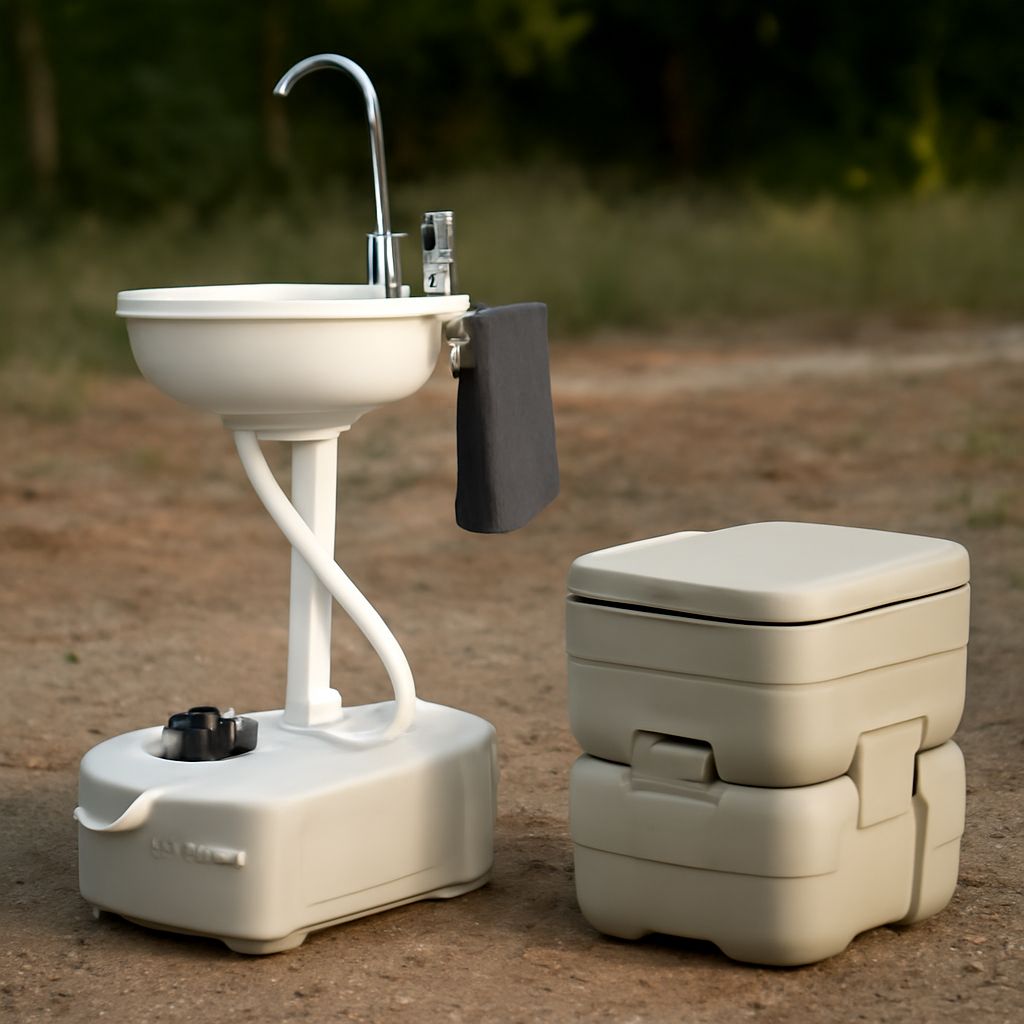
Portable flush toilet with a holding tank. A seat sits above a removable waste tank, while a separate water reservoir supplies the flush. It can feel more familiar and contain several uses between emptying. The full tank is heavier to carry and needs an approved emptying point. Check the tank capacity, seals, and cleaning instructions as well as the unit’s empty weight.
For either system, compare the seat height and width, load rating, packed size, and the number of people using it. A camping bathroom should be comfortable to approach and stable on the ground. More capacity can mean fewer trips to a disposal point, but also a heavier container to lift.
Start with disposal, then select capacity
Find the approved disposal location before you leave home. Contact the campground or local land manager and ask whether it accepts your bag type or has a facility for portable toilet tanks. Ask about hours, fees, and any restrictions on additives. Do not assume that a regular trash bin, vault toilet, or bathroom fixture accepts human waste from a portable system.
Requirements can be specific. For example, Lake Roosevelt’s boat-camping rules distinguish approved waste bags from tank waste and identify designated disposal facilities. Those rules apply there; use the instructions for your own destination rather than treating them as universal.
Estimate use by the whole group for the full stay, including an extra night or a delayed departure. For a bag system, bring sufficient compatible bags and a spare outer container. For a tank, check the usable capacity and how often it will need emptying. Do not fill either system beyond its marked limit: an overfilled bag is hard to seal, and a full tank can become difficult to carry without spilling.
Check stability, privacy, and access
Set the unit on firm, level ground away from food preparation and water sources, following the site operator’s rules. Test the frame or base before use. A broad base and locked legs help reduce movement, but soft soil or a slope can still make a seat unstable. Check the manufacturer’s weight rating for every intended user.
A privacy tent or screen makes the setup more comfortable, especially at a shared campsite. Secure it as directed and leave enough room to enter, turn, sit, and stand. Keep a light available for nighttime use, and mark guy lines so no one trips on the way. Place toilet paper and hand-cleaning supplies where they stay dry and within reach.
Consider accessibility as well. A very low camping potty may be awkward for someone with limited knee or hip mobility. Measure the seat height, check how the lid opens, and practice getting on and off at home. A second person should be able to assist without destabilizing the setup if assistance is needed.
Plan the full waste-handling routine
For a bag system, install the manufacturer’s compatible liner as directed. After use, close the inner bag and outer container according to the kit instructions. Store sealed bags upright or as directed in a durable, closed secondary container away from food. Do not use an ordinary grocery bag as a substitute for a system required by the site.
For a tank system, close the valve and secure the cap before separating the tank. Carry it to the facility designated for that waste, and empty it using the manufacturer’s instructions and the facility’s rules. Keep the outlet controlled to avoid splashing. Do not put bag liners or wipes into a dump station unless its operator specifically permits them.
Wear disposable gloves when handling used bags or tanks, and wash hands afterward with soap and water. Bring a cleaning kit and a separate bag for used gloves and other rubbish. Follow the maker’s directions for rinsing and disinfecting the seat and tank; dispose of rinse water only where the site permits.
Carry and clean without surprises
An empty camping porta potty may be easy to move, while a partially filled tank can be much heavier. Check the handle, latches, and cap before lifting. Decide who will carry it and how it will be secured in the vehicle. Keep it separate from drinking water, cooking equipment, and food.
For porta potty camping, pack a small repair and supply kit: spare compatible bags or seals, toilet paper, gloves, soap, and a light. A removable tank or a smooth seat can make cleaning easier, but check whether the tank can be safely lifted and emptied by the people on the trip. A larger model is not an improvement if nobody can manage it when full.
After returning, clean and dry the equipment as directed and check seals before storage. Keep a note of what was used so you can replenish supplies before the next trip.
For a short stay with an approved bag-disposal option, choose a stable seat and enough compatible kits for everyone. For a larger group near a suitable dump facility, a holding-tank toilet may reduce bag changes, provided the filled tank remains manageable. If neither disposal route is confirmed, use a campsite with established facilities.