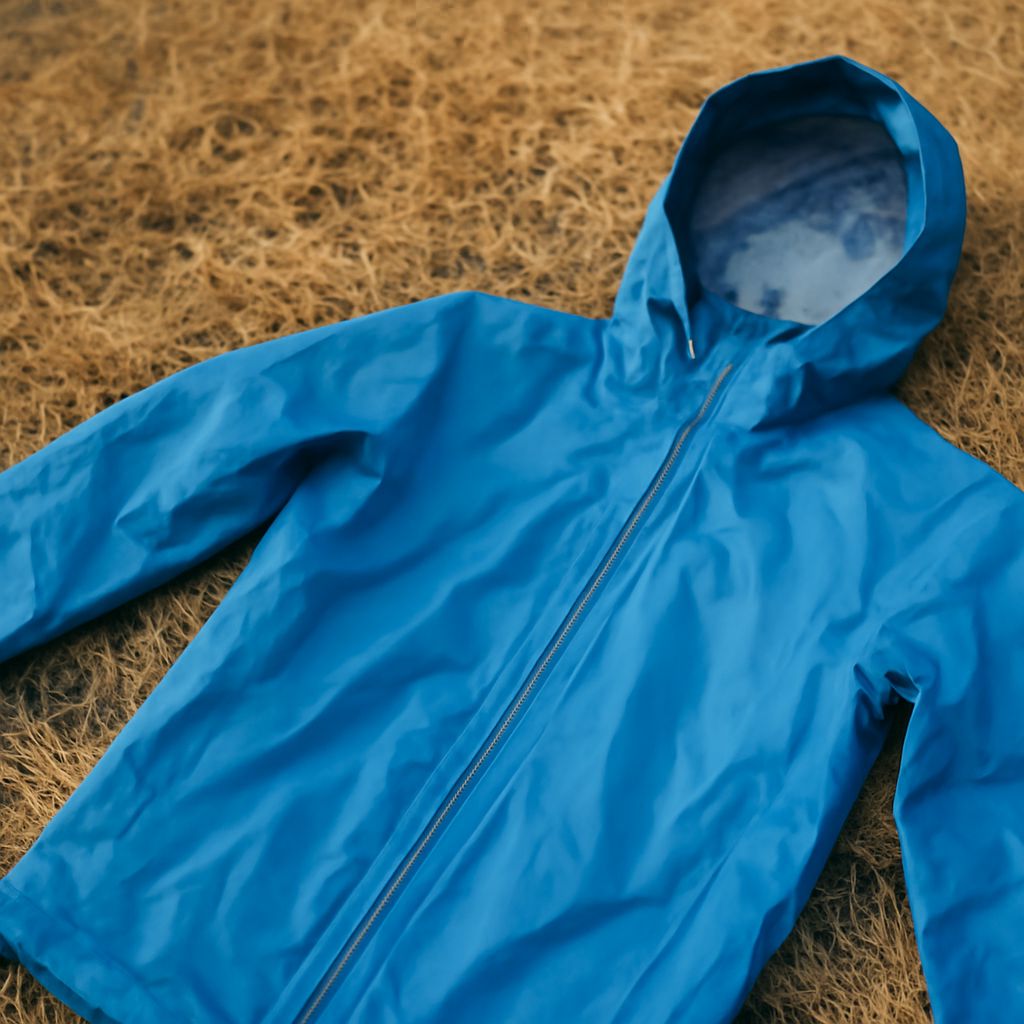
Stay comfortable through a mountain downpour by choosing a shell that blocks rain, opens up to release heat, and moves with you. The best men’s rain jacket for your walk will depend on the trail, the layers underneath, and how long you expect to be out. For warm, humid hikes, the best men’s rain jackets balance storm protection with ventilation you can adjust as you climb.
Best Rain Jackets for Men: Start With the Weather
For a humid trail around Santa Fe, choose a lightweight waterproof shell with fully sealed seams, an adjustable hood, and underarm vents. Wear it over a quick-drying shirt and carry a thin insulating layer for cooler, exposed stretches. Open the vents before you get hot, and slow your pace if sweat starts collecting inside.
The best rain jacket for men on a steep forest path may be different from the one suited to a slow walk around town. A short shell gives your legs room to climb and packs easily. A longer coat protects more of your thighs when you stand or stroll in rain. Decide which situation takes up most of your trip before comparing features.
Understand Waterproof Construction
A waterproof jacket generally combines an outer fabric with a waterproof coating or membrane. A water-repellent finish on the outside helps droplets bead and roll away; the waterproof layer underneath is what blocks rain. Water-resistant fabric alone is a lighter option for brief showers, but it can eventually soak through in sustained rain.
Look for fully taped or sealed seams. Stitching creates tiny holes, and tape covers them on the inside. A jacket with only critical seams sealed leaves other stitched areas less protected. Check the front zipper too: a storm flap or a water-resistant zipper helps limit water entering there. Close it fully when rain turns sideways.
Many shells are described as two-, two-and-a-half-, or three-layer designs. Broadly, two-layer jackets often use a separate lining; 2.5-layer shells use a thin protective treatment inside; and three-layer shells bond a protective inner fabric to the waterproof layer. Construction affects feel, durability, and bulk, but a layer count alone cannot tell you how comfortable a particular jacket will be. Try the fabric against your arms and compare the actual weight and packed size.
Let Heat Escape
Waterproof and breathable fabrics allow some water vapor to escape, but a hard climb in humid air can produce sweat faster than a shell can release it. The best rain jackets for men have ventilation that you can operate while moving. The best men’s waterproof rain jackets make these openings easy to reach. Underarm zippers are especially handy: open them as you climb, then close them when wind or heavy rain blows in.
A front zipper opened from the top, adjustable cuffs, and mesh-backed pockets can also release heat when conditions allow. Check that pocket openings do not sit directly under your backpack’s hip belt. A wet shirt inside the shell can come from sweat or condensation, so adjust your pace and vents before assuming the fabric has failed.
Test the Hood and Fit
Put the hood up and tighten it around your face. A small brim helps keep rain out of your eyes, while a rear adjustment can keep the hood from dropping over them. Turn your head from side to side: the hood should follow your movement without blocking your view. A high collar should close comfortably without forcing the brim down.
Try the jacket over the layers you will actually wear. Reach overhead, bend, and take a high step. The hem should not ride far up your back, and the shoulders should leave room to move without pulling tight. Check sleeve length with your arms extended; adjustable cuffs help keep water from running down them.
A pack changes the test. Put one on, fasten its straps, and make sure you can still reach the pockets and move your arms. The best men’s waterproof jacket is one you can adjust and wear comfortably for hours, not just one that feels good standing still in a store.
Consider a Longer Raincoat
The best raincoat for men who spend more time walking slowly or waiting outdoors may reach mid-thigh or lower. That extra coverage helps protect shorts or pants from rain and splash, especially when you are standing still. On a steep or muddy path, however, a long hem can catch or restrict a high step. It also adds fabric and usually takes up more room in a pack.
The best raincoats for men who want both coverage and mobility have enough room through the legs or a vent that opens for walking. Try stepping onto a bench-height surface before buying. For a full day in heavy rain, rain pants can protect exposed legs beneath a shorter jacket, though they add warmth and another item to carry.
Balance Pack Size and Durability
A light shell is easier to keep in your daypack for an afternoon shower. A tougher, somewhat heavier fabric can be worth carrying if backpack straps and brush will see regular use. Compare packed jackets in person when possible: a shell that fits loosely into its pocket may still occupy more space than you expect once wet or hastily folded.
A label promising the best mens rain jacket tells you little about whether the cut fits your pack or the hood fits your head. Check the care label as well. Dirt and wear can reduce the outer water-repellent finish; follow the maker’s washing and drying instructions, then renew the finish if water no longer beads. Patagonia explains the difference between a wet outer surface and a leaking waterproof layer in its jacket care guide.
For a warm, humid mountain hike, pick a hip-length waterproof shell with full seam sealing, a secure hood, and vents you can open on the climb. If your day is mostly an easy walk or time spent standing in rain, choose the longer coat instead, provided you can step freely and comfortably carry its extra bulk.