Washington State is home to a remarkable array of national parks, drawing hikers from across the globe with their rich biodiversity, striking mountains, and varied environments. For those seeking adventure and scenic beauty, the national parks in Washington State offer some of the best hiking opportunities in the Pacific Northwest. The following guide explores the top national parks in Washington and highlights what makes each one unique for hiking enthusiasts.
Overview of National Parks in Washington State
There are three main national parks in Washington State, each providing a distinct landscape and experience:
- Olympic National Park – Known for its diverse terrain, ranging from alpine peaks to temperate rainforests and rugged coastline.
- Mount Rainier National Park – Centered around the iconic, glacier-clad Mount Rainier, offering high-elevation hikes and wildflower meadows.
- North Cascades National Park – Famous for its rugged wilderness, deep valleys, and remote alpine lakes.
Each park presents a wide variety of trails, scenery, and wildlife, ensuring that hikers of all skill levels can find suitable adventures within the national parks Washington is known for. Visitors can expect everything from short, family-friendly walks to challenging backcountry routes that require advanced planning and skill.
Olympic National Park: Diverse Trails and Ecosystems
Olympic National Park stands out for its ecological diversity, containing nearly one million acres of preserved land. This park is unique among national parks in Washington State for encompassing three main environments: the wild Pacific coastline, lush temperate rainforests, and glacier-capped mountains.
Popular hiking trails include:
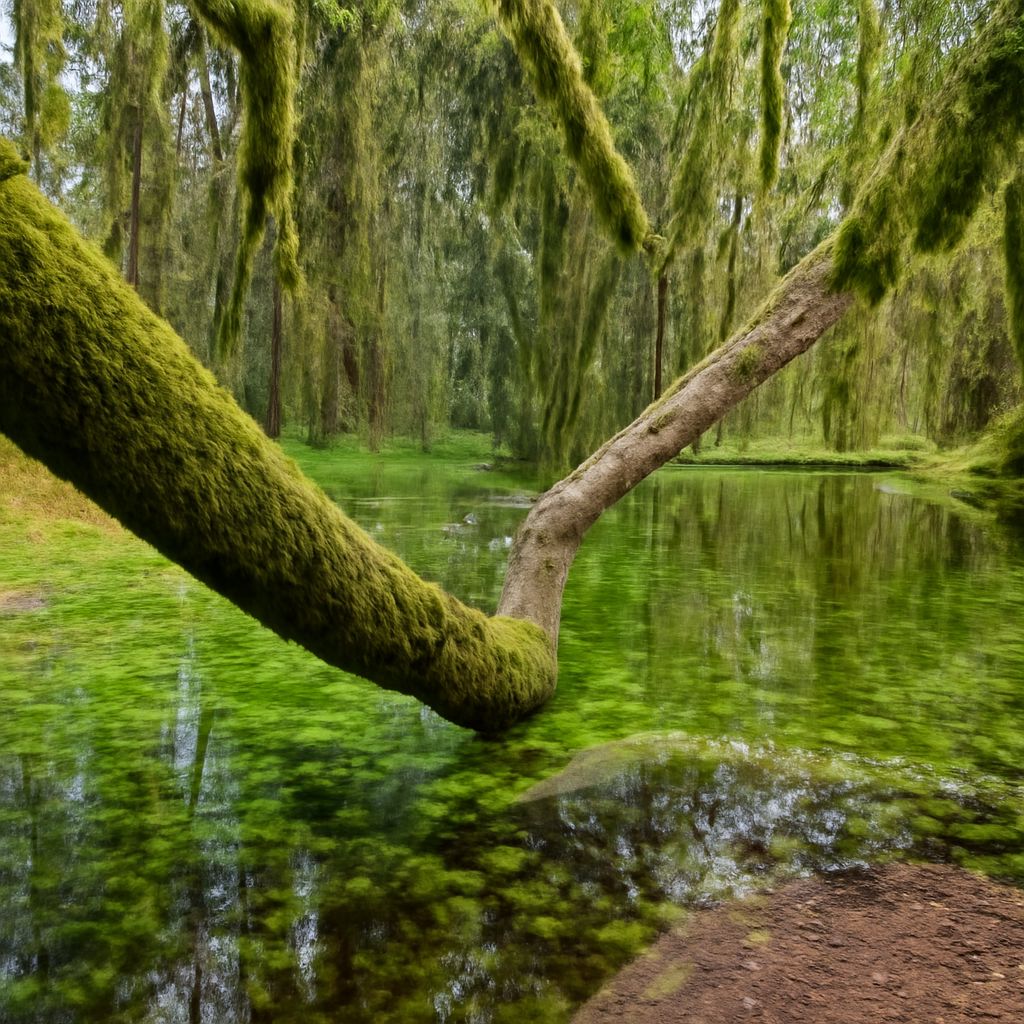
- Hoh Rain Forest Trail – A gentle, atmospheric walk through old-growth forest draped in moss and ferns, ideal for families and nature lovers.
- Hurricane Ridge – Offers multiple trails with sweeping vistas of alpine meadows and distant peaks, ranging from short strolls to more moderate hikes.
- Sol Duc Falls Trail – A relatively easy but rewarding hike leading to a striking waterfall and opportunities to spot local wildlife.
- Ozette Triangle – A 9.4-mile loop that showcases the park’s coastal side, featuring boardwalks through forest and dramatic sea stacks on the beach.
Olympic’s range of ecosystems allows hikers to experience vastly different landscapes in a single visit. The variety of trail options, from seaside tidepools to subalpine ridges, makes Olympic an essential destination in any guide to national parks Washington offers to outdoor adventurers.
Mount Rainier National Park: Iconic Peaks and Scenic Routes
Mount Rainier National Park is defined by its namesake, a 14,411-foot active stratovolcano visible for miles around. The park is renowned for its wildflower meadows, ancient forests, and over 260 miles of maintained trails that cater to all interests and abilities.
Top hiking routes include:
- Skyline Trail (Paradise) – A 5.5-mile loop with panoramic views of Mount Rainier, waterfalls, and, in summer, vibrant meadows filled with wildflowers.
- Burroughs Mountain Trail – A moderately strenuous trail offering some of the closest non-technical views of the mountain’s glaciers and summit.
- Grove of the Patriarchs – An easy route that leads through an ancient forest of massive, centuries-old trees, accessible for most visitors.
- Wonderland Trail – An ambitious 93-mile loop encircling Mount Rainier, suitable for experienced backpackers seeking a multi-day adventure.
The park is particularly popular in late July and August when wildflower blooms are at their peak. Trailheads such as Paradise and Sunrise provide access to high-elevation hikes with impressive alpine scenery. Mount Rainier National Park also offers ranger-led walks for additional context on the area’s unique geology and ecology.
North Cascades National Park: Rugged Wilderness for Experienced Hikers
Often described as one of the most remote and least-developed national parks in Washington State, North Cascades National Park appeals to those seeking solitude and challenging terrain. The park is characterized by sharp peaks, over 300 glaciers, deep valleys, and turquoise alpine lakes.
Notable trails and routes:
- Cascade Pass and Sahale Arm – A demanding hike with views of glaciers, wildflower slopes, and the surrounding mountains. The route can be extended for a more strenuous experience.
- Maple Pass Loop – A 7.2-mile circuit offering some of the best panoramic vistas in the park, especially spectacular in autumn when the larches change color.
- Thunder Creek Trail – A versatile trail that can be tailored to different lengths, following a glacier-fed creek deep into the wilderness.
- Desolation Peak – Known for inspiring Jack Kerouac, this strenuous hike offers sweeping views and a historic fire lookout at the summit.
Facilities in North Cascades are limited, and many trailheads require long drives on forest roads. Hikers should be well-prepared for sudden weather changes and practice Leave No Trace principles. The park’s remote nature ensures a quieter experience compared to other national parks Washington has on offer.
Planning Your Visit: Tips for Trail Selection and Park Access
Planning is essential for a rewarding hiking trip to any of the national parks in Washington State. Consider the following factors:
- Season and Weather: Trails at higher elevations may be snowbound into early summer. Check trail conditions and weather forecasts before departure.
- Permits and Reservations: Popular routes, especially in Mount Rainier and Olympic, may require advance permits for overnight stays. Day-use does not typically require reservations, but parking lots fill quickly on weekends and holidays.
- Trail Difficulty: Choose trails appropriate to your fitness and experience level. Many routes in North Cascades are best suited to experienced hikers with navigation skills.
- Wildlife Awareness: All parks are home to black bears, mountain goats, and deer. Know proper food storage and wildlife safety practices.
- Access and Transportation: Some trailheads are accessible only by unpaved roads or may require a Northwest Forest Pass or America the Beautiful pass for parking.
For those new to the region, ranger stations in each park provide updated maps, guidance on trail conditions, and advice tailored to current seasonal factors. Investing time in preparation ensures a safer and more enjoyable journey through these premier national parks in Washington State.