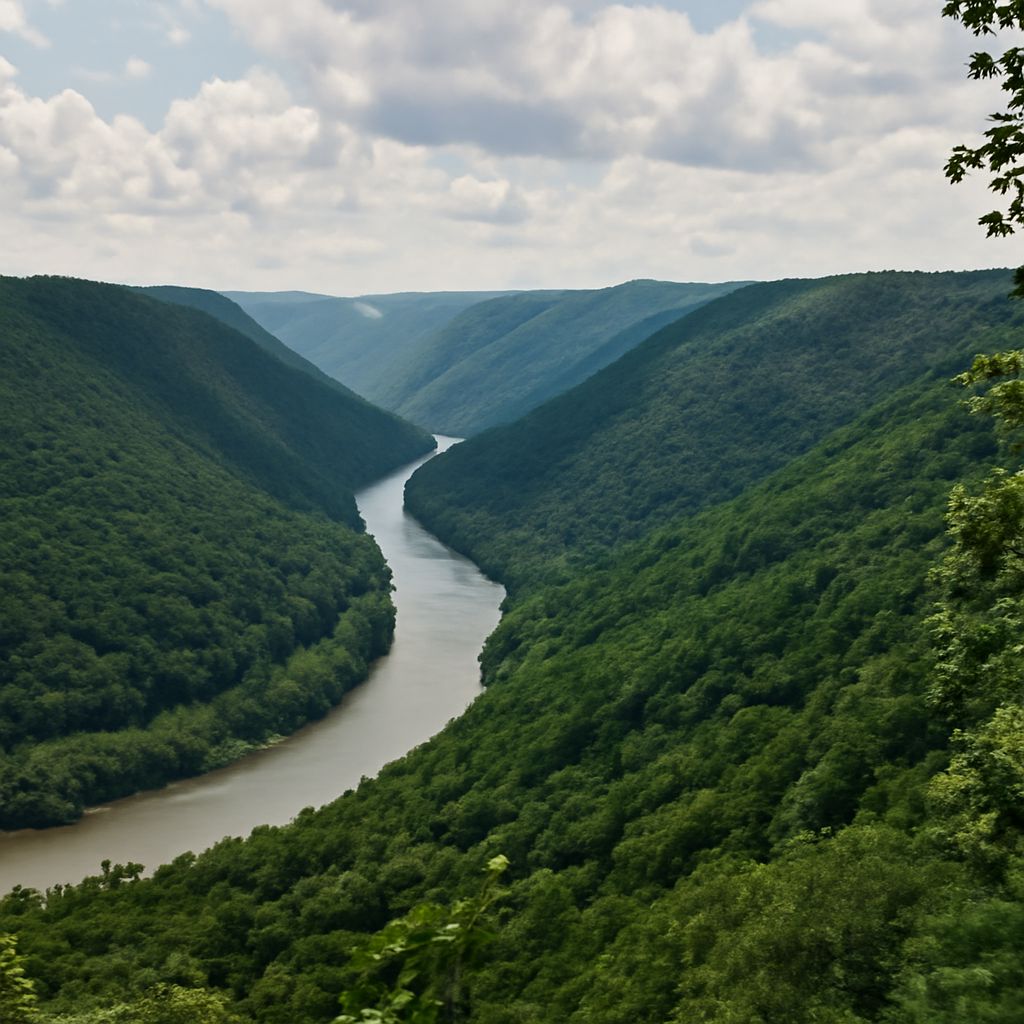
The national park in West Virginia, known as New River Gorge National Park and Preserve, stands out as a premier destination for hikers, nature lovers, and adventure seekers. Renowned for its dramatic cliffs, ancient river, and diverse ecosystems, the West Virginia New River Gorge draws visitors year-round for its breathtaking scenery and well-maintained trails. Comprehensive trail planning enhances each visit, allowing hikers to discover highlights while staying safe in this dynamic landscape.
Why Visit New River Gorge National Park?
New River Gorge National Park and Preserve, established as a national park in 2020, protects over 70,000 acres of rugged Appalachian terrain. The park’s main feature is the New River, recognized as one of the oldest rivers in North America, which carves a deep, winding gorge through lush forest. The area’s geology, history, and biodiversity make it a unique national treasure in West Virginia.
Visitors are drawn to the park for its variety of outdoor activities. While hiking is a primary appeal, the park also offers world-class rock climbing, whitewater rafting, birdwatching, and scenic driving routes. The New River Gorge Bridge, an iconic steel arch bridge, is a focal point for sightseeing and photography, especially during Bridge Day, an annual event featuring BASE jumping and rappelling.
Unlike many parks, New River Gorge welcomes visitors in all seasons. Spring and fall showcase vibrant foliage and wildflowers, while summer brings lush greenery and opportunities for water-based adventures. In winter, the park’s quiet trails and snow-dusted landscapes offer a peaceful retreat.
The combination of accessibility, natural beauty, and diverse recreation options makes New River Gorge a top choice for anyone planning a hiking trip in a national park in West Virginia.
Top Hiking Trails in New River Gorge
The West Virginia New River Gorge features an extensive trail network suited for every experience level. While dozens of routes crisscross the park, several trails stand out for scenery, accessibility, and the overall hiking experience.
- Long Point Trail: This moderate 3.2-mile out-and-back hike leads to one of the park’s most famous overlooks, offering panoramic views of the New River Gorge Bridge and the sweeping valley below. The trail traverses mixed hardwood forest and ends at a rocky promontory, perfect for photos and picnics.
- Endless Wall Trail: Recognized by hiking magazines as a top U.S. trail, this 2.4-mile loop features dramatic cliffside vistas, rhododendron thickets, and access to Diamond Point overlook. The route is popular for sunrise or sunset hikes.
- Grandview Rim Trail: Stretching 5 miles along the rim, this moderate trail connects Grandview Main Overlook to Turkey Spur, providing stunning views of the river’s horseshoe bends and rugged terrain. It’s especially popular in spring and fall.
- Kaymoor Miners Trail: Steep and challenging, this 1.6-mile round-trip hike descends over 800 steps to the remains of the historic Kaymoor coal mine. Interpretive signs and abandoned structures illustrate the region’s industrial past.
- Sandstone Falls Boardwalk and Trails: Located at the southern end of the park, the accessible boardwalk and short trails lead to viewing platforms with close-up perspectives of the broad, cascading falls.
Each trail offers a different perspective on the diverse landscapes and history of the national park in West Virginia. Trailheads are well-marked, with maps provided at major visitor centers and online.
Trail Planning Tips for a Safe and Enjoyable Hike
Trail planning is essential for making the most of any visit to New River Gorge National Park. Begin by selecting trails that match your fitness level, time constraints, and interest in scenery or historical features. Use official park maps and check current trail conditions online or at visitor centers before setting out.
Weather in the West Virginia New River Gorge can change rapidly. Dress in layers, bring rain gear, and check forecasts for potential storms or temperature swings. Sturdy footwear is a must, as trails may be rocky, root-covered, or muddy, especially after rain.
Carry plenty of water, high-energy snacks, and a basic first-aid kit. Cell service can be unreliable in the gorge, so download offline maps or carry a printed trail guide. Let someone know your planned route and expected return time, especially if hiking alone or on less-traveled paths.
Be mindful of park regulations: stay on marked trails, pack out all trash, and respect wildlife. The park is home to black bears, deer, and a variety of plant species—observe animals from a distance and never feed them. In summer, check for ticks after hiking and consider using insect repellent.
What to Expect When Hiking in West Virginia’s National Park
Hiking in the national park in West Virginia is a rewarding but sometimes challenging experience. Trail difficulty ranges from accessible boardwalks to strenuous climbs with significant elevation changes. Hikers should be prepared for rugged terrain, steep drop-offs, and variable footing.
Weather conditions can shift quickly between the rim and gorge floor. While summer can be hot and humid, mornings and evenings are cooler at higher elevations. Spring and fall offer milder temperatures but may bring rain or fog, enhancing the park’s dramatic atmosphere but increasing trail slipperiness.
Wildlife sightings are common in the West Virginia New River Gorge. Birdwatchers often spot hawks, eagles, and songbirds, while quiet hikers may encounter deer or the occasional black bear. The area’s history is visible in abandoned mining structures, historic railroads, and interpretive signs along several trails.
Visitor facilities include restrooms at major trailheads, picnic areas, and staffed visitor centers at Canyon Rim, Grandview, Sandstone Falls, and Thurmond. Some trails can be busy on weekends and holidays, especially near iconic overlooks, while more remote routes offer solitude even during peak seasons. Planning ahead and starting hikes early helps maximize the experience and avoid crowds.