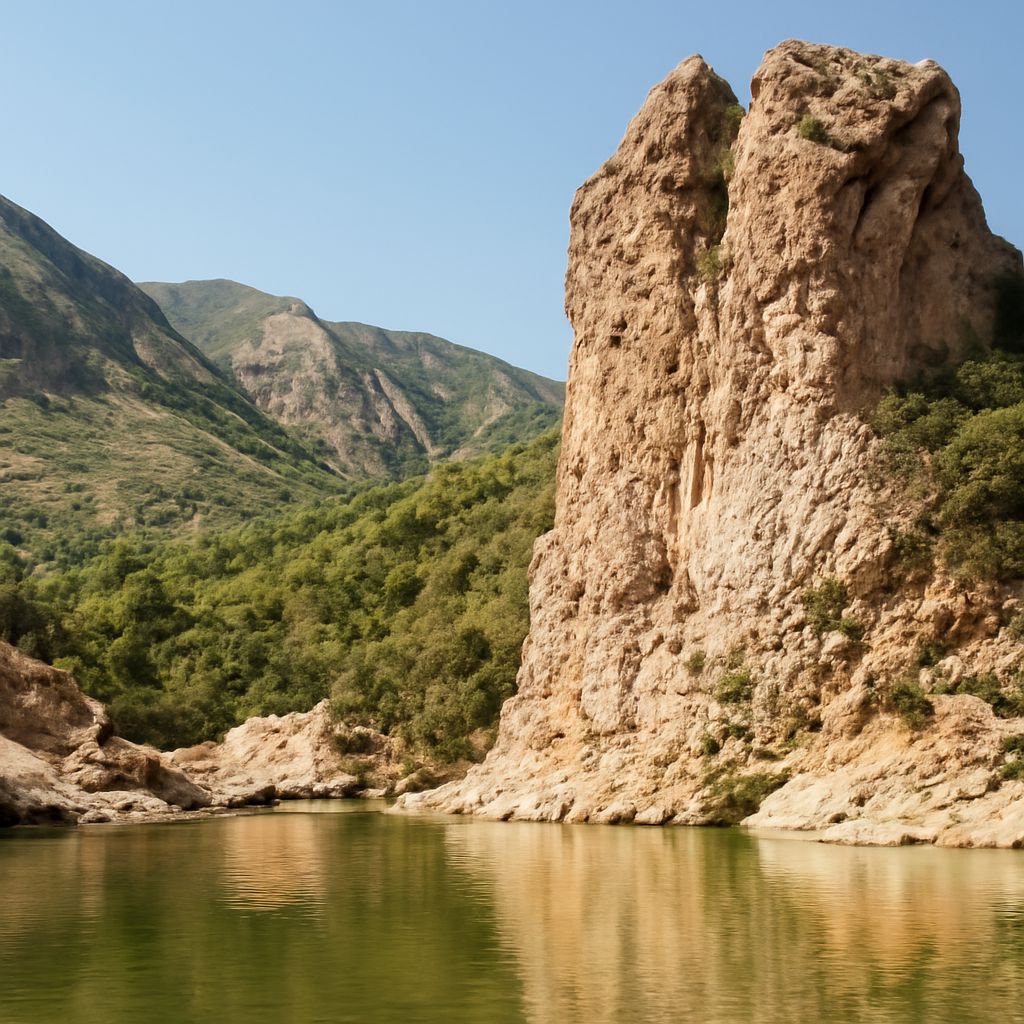
Red rocks hiking offers some of the most visually stunning and memorable outdoor experiences in the United States. From the iconic landscapes of Red Rocks Park and Amphitheatre in Colorado to the breathtaking scenery of Red Rock Canyon near Las Vegas, these unique destinations provide a diverse range of trails for all skill levels. Whether you are seeking panoramic vistas, challenging climbs, or family-friendly walks, the area’s distinctive red sandstone formations and sweeping desert views are unforgettable. This guide covers the most popular red rocks hiking trails, how to prepare for your adventure, and practical tips to ensure a safe and enjoyable outing.
Why Hike at Red Rocks?
The appeal of red rocks hiking extends far beyond the vivid colors and striking geological features. These areas are celebrated for their accessibility, variety of trail options, and opportunities to witness wildlife and rare desert plants. Red rocks trails often traverse ancient rock formations, offering a glimpse into the Earth’s geological history while also providing excellent vantage points for photography and quiet reflection.
Red Rocks Park and Amphitheatre, located just west of Denver, is not only a world-renowned music venue but also a premier hiking destination. The surrounding trails highlight massive sandstone outcrops and sweeping views of Colorado’s foothills. Similarly, Red Rock Canyon in Nevada is known for its dramatic cliffs, hidden canyons, and the chance to spot desert bighorn sheep or wildflowers during the spring.
Many hikers are drawn to these areas for the combination of natural beauty and accessible recreation. Whether you want a quick walk or a technical scramble, the diversity of red rocks trails ensures there is something for everyone.
Top Red Rocks Trails to Explore
Each red rocks trail offers a unique perspective on the region’s geology and landscape. Here are some of the top-rated options in both Colorado and Nevada:
- Trading Post Trail (Red Rocks Park, Colorado): A popular 1.5-mile loop that winds through towering sandstone monoliths, this trail offers moderate terrain and excellent views of the amphitheater and surrounding foothills. Interpretive signs along the route provide context on local flora and fauna.
- Red Rocks Trail (Colorado): This 6-mile path connects the Trading Post and Mount Falcon trails, passing through open meadows and iconic red rock formations. It’s ideal for those seeking a longer hike with opportunities for wildlife sightings and wildflower displays in late spring.
- Calico Tanks Trail (Red Rock Canyon, Nevada): A 2.2-mile out-and-back route featuring stunning views of the Las Vegas Strip from the summit. The trail includes some scrambling and uneven terrain, making it best for intermediate hikers.
- Ice Box Canyon Trail (Red Rock Canyon, Nevada): Known for its cooler microclimate and seasonal waterfall, this 2.6-mile hike leads through a shaded canyon filled with lush vegetation and striking rock walls. Expect some rocky sections and boulder hopping.
- Moenkopi Loop (Red Rocks Park, Colorado): This 1.1-mile family-friendly loop offers gentle grades, impressive vistas, and interpretive panels about the geology and history of the area.
Each red rock hike provides its own set of rewards, from panoramic overlooks to peaceful solitude among the rocks. Trail difficulty levels range from easy to strenuous, accommodating both novice and experienced hikers.
Planning Your Red Rocks Hike
Proper planning is key to enjoying your red rocks hiking experience. Check trail maps and area regulations before heading out, as some trails may be closed for maintenance or due to weather conditions. Most red rocks trails are open year-round, but spring and fall are considered the best times to visit due to milder temperatures and blooming wildflowers.
Arrive early, especially on weekends or during peak seasons, to secure parking and avoid crowded trails. Many trailheads fill quickly, particularly at well-known locations such as Red Rocks Park and Red Rock Canyon National Conservation Area. Both sites charge entrance or parking fees; consult their official websites for current rates and policies.
Bring plenty of water, sun protection, and snacks. Red rock hikes often lack shade, and the dry climate can cause dehydration more rapidly than expected. Wear sturdy hiking shoes with good traction, as rocky surfaces and loose gravel are common along these trails.
Familiarize yourself with the route and note key landmarks. Cell service is limited in some areas, so download offline maps or carry a printed trail guide. Many red rocks trails are well-marked, but it’s still wise to double-check your navigation tools before starting your hike.
Essential Tips for a Safe and Enjoyable Hike
Successful red rocks hiking depends on preparation, awareness, and respect for the environment. Follow these tips to maximize safety and enjoyment:
- Stay on designated trails: Protect fragile ecosystems by sticking to marked paths and avoiding shortcuts, which cause erosion and threaten native plants.
- Check weather forecasts: Sudden storms or high winds can make red rocks trails hazardous. Flash flooding is possible in canyons, particularly during summer monsoon season.
- Pace yourself: The dry air and elevation can make hikes feel more strenuous. Take regular breaks, drink water frequently, and turn back if you experience symptoms of heat exhaustion or altitude sickness.
- Leave no trace: Pack out all trash, including food scraps and tissues. Red rocks ecosystems are sensitive, and litter can harm wildlife.
- Watch for wildlife: Keep a respectful distance from animals, and do not feed them. Snakes and insects are common, so be cautious when stepping over rocks or logs.
- Tell someone your plans: Share your hiking route and expected return time with a friend or family member, especially if hiking alone.
By recognizing trail etiquette and being prepared, hikers can enjoy the dramatic landscapes and unforgettable experiences that only a red rock hike can provide.