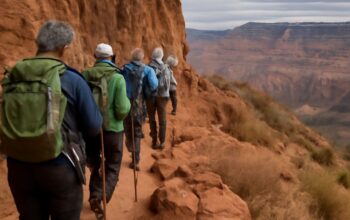
Big Bend National Park is renowned for its diverse landscapes, ranging from dramatic canyons to expansive desert vistas and lush riverbanks. Whether seeking a short nature walk or a challenging backcountry trek, Big Bend hikes deliver unforgettable experiences for outdoor enthusiasts. The park’s extensive network of big bend hiking trails offers options suitable for every skill level, ensuring that every visitor can find a route that matches their abilities and interests.
This guide highlights the best Big Bend hikes, essential trail details, unique features, and practical planning advice to help adventurers make the most of their trip to this iconic Texas destination.
Overview of Big Bend Hiking Trails
Big Bend National Park covers over 800,000 acres and features more than 150 miles of designated hiking trails. The terrain varies widely, from the high Chisos Mountains to the arid Chihuahuan Desert and the lush Rio Grande River corridor. Most big bend hiking trails are well-marked and maintained, making them accessible for both day hikes and multi-day backcountry excursions.
The park is divided into three major hiking zones: the Chisos Mountains, the Desert, and the River. Each region presents distinct ecosystems and trail experiences. The Chisos Mountains offer cooler temperatures and forested paths, the desert provides wide-open views and unique rock formations, while the river region features lush vegetation and opportunities to spot wildlife.
Popular trailheads are easily accessible from the park’s main roads, with visitor centers at Panther Junction, Chisos Basin, and Rio Grande Village providing maps, water, and updated trail conditions. Trail difficulty ranges from paved, accessible walks to steep climbs and rugged terrain suitable for experienced hikers.
Seasonal factors significantly influence hiking conditions in Big Bend. Spring and fall are the most popular times to visit due to milder temperatures and blooming wildflowers. Summer can bring extreme heat, especially on exposed desert trails, while winter occasionally brings freezing temperatures and icy paths at higher elevations.
Top Big Bend Hikes for Every Skill Level
Big Bend National Park’s variety ensures there are memorable trail options for beginners, families, and seasoned hikers. The following are some of the best big bend hikes organized by difficulty:
-
Easy:
- Window View Trail: A paved, 0.3-mile loop in the Chisos Basin offering panoramic sunset vistas.
- Boquillas Canyon Trail: A 1.4-mile round-trip hike along the Rio Grande, featuring sandy paths and towering canyon walls.
-
Moderate:
- Lost Mine Trail: A popular 4.8-mile round-trip route with steady elevation gain and exceptional mountain scenery. It’s ideal for those looking for a half-day adventure without technical challenges.
- Santa Elena Canyon Trail: A 1.7-mile round-trip trail leading into one of the park’s most photographed canyons. Hikers traverse a sandy bank and ascend stone steps for breathtaking river and canyon views.
-
Challenging:
- South Rim Trail: Often considered the best hike in Big Bend, this strenuous 12-14.5-mile loop climbs over 2,000 feet and rewards hikers with sweeping views of Mexico and the Chihuahuan Desert. It’s recommended for experienced hikers prepared for a full-day trek.
- Emory Peak Trail: The highest point in Big Bend, this 10.5-mile round-trip route requires a steep final scramble. The summit offers 360-degree views spanning the entire park.
Other notable big bend hiking trails include the Hot Springs Historic Trail (1-mile round trip to a historic bathhouse by the river) and the Pine Canyon Trail (4 miles round-trip through lush mountain scenery). Each trail offers its own blend of scenery, geology, and wildlife viewing opportunities.
Scenic Highlights and Unique Features
The diversity of Big Bend’s landscapes translates into a wealth of scenic highlights along its many hiking routes. The Santa Elena Canyon Trail is famous for its sheer limestone walls rising 1,500 feet above the Rio Grande, creating dramatic lighting and reflections, especially at sunrise or sunset. The South Rim Trail is renowned for its unbroken vistas across the desert basin, with spring wildflowers and fall colors adding seasonal interest.
The Emory Peak Trail rewards hikers with a summit perch above the entire park, where raptors can often be spotted soaring on the thermals. The Lost Mine Trail traverses diverse forests and offers panoramic overlooks at the halfway point, making it especially popular for sunrise hikes or stargazing.
Wildlife sightings are another unique feature of Big Bend hikes. Javelina, mule deer, roadrunners, and even black bears inhabit the park, particularly in the Chisos Mountains. Birdwatchers will appreciate the diversity around the Rio Grande and in mountain woodlands, with more than 450 bird species recorded.
Historic and geological points of interest also enrich many big bend hiking trails. The Hot Springs Trail features pictographs, an old bathhouse, and opportunities to soak in 105°F waters beside the river. Throughout the park, volcanic rock formations, fossil beds, and desert blooms offer photographers and nature enthusiasts plenty of subjects.
Tips for Planning Your Big Bend Hiking Adventure
Preparation is key to a safe and enjoyable Big Bend hiking experience. Start by selecting trails that match your fitness and skill level, and always check current conditions at a visitor center or on the park website before setting out. Carry plenty of water—at least one gallon per person per day—since most trails lack reliable water sources.
Weather in Big Bend can change rapidly, so pack layers, sun protection, and sturdy footwear for rocky or uneven terrain. Begin longer or more exposed hikes early in the day to avoid heat and afternoon storms, particularly during summer months.
Cell service is limited throughout the park. Inform someone of your planned route and estimated return time. For overnight treks, obtain a required backcountry permit at a visitor center. Practice Leave No Trace principles: pack out trash, stay on established trails, and avoid disturbing plants or wildlife.
Finally, be aware that Big Bend’s remote location means limited services and long travel times between attractions. Fuel up before entering the park and carry detailed maps or a GPS device for navigation. By planning ahead and respecting the park’s unique environment, hikers can enjoy some of the most rewarding trails in the American Southwest.