A packing list for a weekend trip works best as a two-night, three-day base plus modules for the forecast, transport, lodging, and planned activities. Start with documents, medication, electronics, a compact clothing set, one practical pair of footwear, and toiletries sized for the actual stay. Add only the activity and weather items that cannot be replaced or purchased at the destination.
The framework below suits a hotel, rental, or hostel and can be reduced for a personal item or expanded for checked luggage. A carry-on traveler should generally aim for one small bag, while a car traveler can carry backups without letting spare items become the default.
Packing List for a Weekend Trip: Core Documents, Medication, and Electronics
Pack the items that are difficult to replace before choosing extras. Keep documents, medication, valuables, and essential electronics in an accessible personal bag rather than a checked suitcase.
- Documents and money: identification or passport, tickets and reservations, payment card, a small amount of local cash, insurance information, and any entry or event documents. A digital copy can supplement, but should not replace, required originals.
- Medication and health: prescription medication in its original packaging, enough for the full trip plus a small delay buffer, routine pain relief, allergy medication, and any required medical devices. Pack medication in a labeled, reachable pouch.
- Electronics: phone, charging cable, wall adapter, and headphones. Add a power bank for long transit or unreliable outlets. A laptop, camera, e-reader, or specialty charger belongs on the list only if the itinerary requires it.
- Small practical items: glasses or contacts, contact solution, keys, reusable water bottle, compact umbrella, and a laundry bag. Include a photocopy or secure digital backup of critical documents when the trip involves international travel.
Before departure, check that the destination, travel dates, and booking names match the documents. This five-minute check prevents a forgotten passport, charger, or prescription from becoming the trip’s most serious packing failure.
Use a Travel Packing List Template for Activities, Weather, Transport, and Lodging
A useful travel packing list template has a permanent core and selectable modules. It should be completed in this order:
- Enter the trip limits: record the number of nights, expected temperature range, precipitation, baggage allowance, and transport mode.
- Confirm the lodging: note whether the accommodation provides towels, hairdryers, soap, shampoo, laundry access, an iron, or kitchen supplies. Do not pack replacements for confirmed amenities.
- List the activities: identify walking, dining, swimming, hiking, business meetings, nightlife, or cold-weather excursions. Give each activity a clothing, footwear, and equipment requirement.
- Choose the smallest compatible set: combine items across activities where possible. A neat shirt can work for dinner and a meeting; walking shoes may cover sightseeing and casual meals.
- Remove contingency duplicates: keep one weather backup or versatile layer, not several hypothetical outfits. Add a spare only when wet conditions, limited laundry, or a high-consequence activity justifies it.
Transport changes the answer. A train or car allows a heavier toiletry bag and extra shoes, while a bus, flight, or personal-item-only fare favors solids, refillable containers, and clothing that can be worn in transit. A hostel may require a towel, lock, and shower sandals; a hotel may make those unnecessary.
Pack Clothing and Footwear for Each Planned Activity
For a typical three-day weekend with ordinary weather, a compact clothing starting point is two everyday tops, one extra top, two bottoms, three sets of underwear, three pairs of socks, sleepwear, and one versatile layer. Adjust the quantities for sweat, rain, formal plans, and laundry access rather than treating them as universal limits.
- Warm weather: choose breathable tops, lightweight bottoms, sun protection, and sandals only if the itinerary and lodging support them.
- Cool or variable weather: wear the bulkiest trousers, sweater, or jacket during transit. Pack a base layer, insulating layer, and rain shell instead of one oversized item with no flexibility.
- Active plans: add activity-specific clothing such as swimwear, a sports bra, hiking socks, or quick-drying layers. Pack a helmet or technical equipment only when rental quality, fit, or safety makes personal gear necessary.
- Formal or business plans: add one coordinated outfit and the required shoes or accessories. Protect wrinkle-prone clothing with a packing cube or place it on top of the bag.
Footwear usually consumes more space than clothing. Wear the heaviest, most versatile pair and pack one additional pair only when it serves a distinct need, such as wet conditions, formal dress, or a trail. Test that every packed shoe is already comfortable; a weekend is not a good time to break in new footwear.
Choose Travel-Size Products: Capacity, Duration, and Format
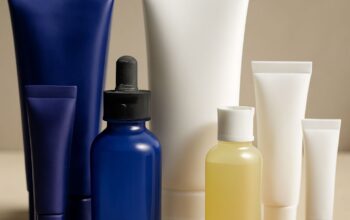
The right travel size products depend on use, not the word “travel” on the package. For two nights, estimate each product’s applications, then select the smallest container that covers the stay with a modest margin. A short-haired traveler may need far less shampoo than someone with long or thick hair; shared lodging may reduce the amount further.
- Single-use minis: sealed sachets or small hotel-style portions are convenient for a one-off trip and eliminate measuring. They can cost more per use, create more waste, and leave too little product if the trip is delayed.
- Refillable containers: small leak-resistant bottles or jars are practical for repeat travelers and exact portion control. Label shampoo, conditioner, cleanser, and lotion clearly, and test the closures before packing. Choose capacity based on applications, not container appearance.
- Solid products: bar shampoo, soap, conditioner, deodorant, and toothpaste tablets reduce liquid volume and are useful for air travel or personal-item-only packing. They need a ventilated container and time to dry so moisture does not damage the rest of the bag.
- Bulk multipacks: bulk travel size toiletries make sense for families, group travel, frequent departures, or a product used every day. They are less efficient for an occasional solo weekend if unused portions expire or accumulate at home.
Transport mode also affects container capacity. Air travelers should verify the current carrier and airport liquid rules, keep liquids together in the required bag, and favor solids where suitable. Car travelers can carry larger containers, but a larger bottle is not automatically useful. For a hotel with supplied soap and shampoo, pack only personal-care products the lodging cannot provide or the traveler cannot comfortably substitute.
Review Travel-Size Items, Liquids, Waste, and Forgotten Essentials
Complete the final review with the actual travel size items placed beside the bag. Group them by use rather than buying a complete matching set: dental care, bathing, hair care, skin care, shaving, menstrual care, and first aid.
- Check every liquid, gel, cream, paste, spray, and liquid medication for leaks, capacity, and transport restrictions. Put leak-prone bottles in a sealed pouch and keep medication accessible.
- Replace duplicate products with one multipurpose option where appropriate, such as a gentle cleanser used for face and body or a moisturizer with sun protection. Do not combine products when allergies, prescriptions, or skin sensitivity require separate formulas.
- Pack a small reusable bag for damp swimwear, dirty laundry, or rubbish. Choose refillables or solids when they reduce disposable packaging without creating a hygiene problem.
- Run a departure check: identification, wallet, medication, phone, charger, keys, glasses, required tickets, and weather gear. Then check the return-trip needs, including laundry capacity and any item that must remain accessible during transit.
The bag is ready when each item supports a dated activity, a known weather condition, a transport requirement, or a confirmed personal need. If an item has no clear reason, it is the first candidate for removal.