Women’s hiking clothes work best as a coordinated system: a moisture-managing base, comfortable legwear, adaptable insulation, and a protective weather layer. The most versatile setup lets a hiker change coverage and warmth without restricting movement or carrying unnecessary clothing.
Fabric choice, fit, drying speed, and adjustment matter more than matching pieces. Zip-off hiking pants can cover several temperatures, but regular trousers or separate shorts may be more comfortable for specific conditions.
The core of women’s hiking clothes: base, leg, insulation, and weather layers
Each layer should perform a distinct job and work with the others. Lightweight, quick-drying fabrics are generally more practical than cotton, which holds moisture and dries slowly.
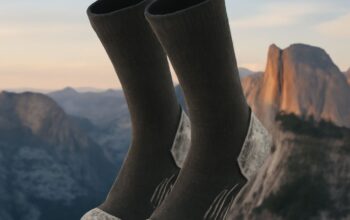
- Base layer: Choose a synthetic or merino shirt, supportive sports bra, moisture-wicking underwear, and hiking socks. Short sleeves suit warm weather; a long-sleeve base adds sun and insect coverage.
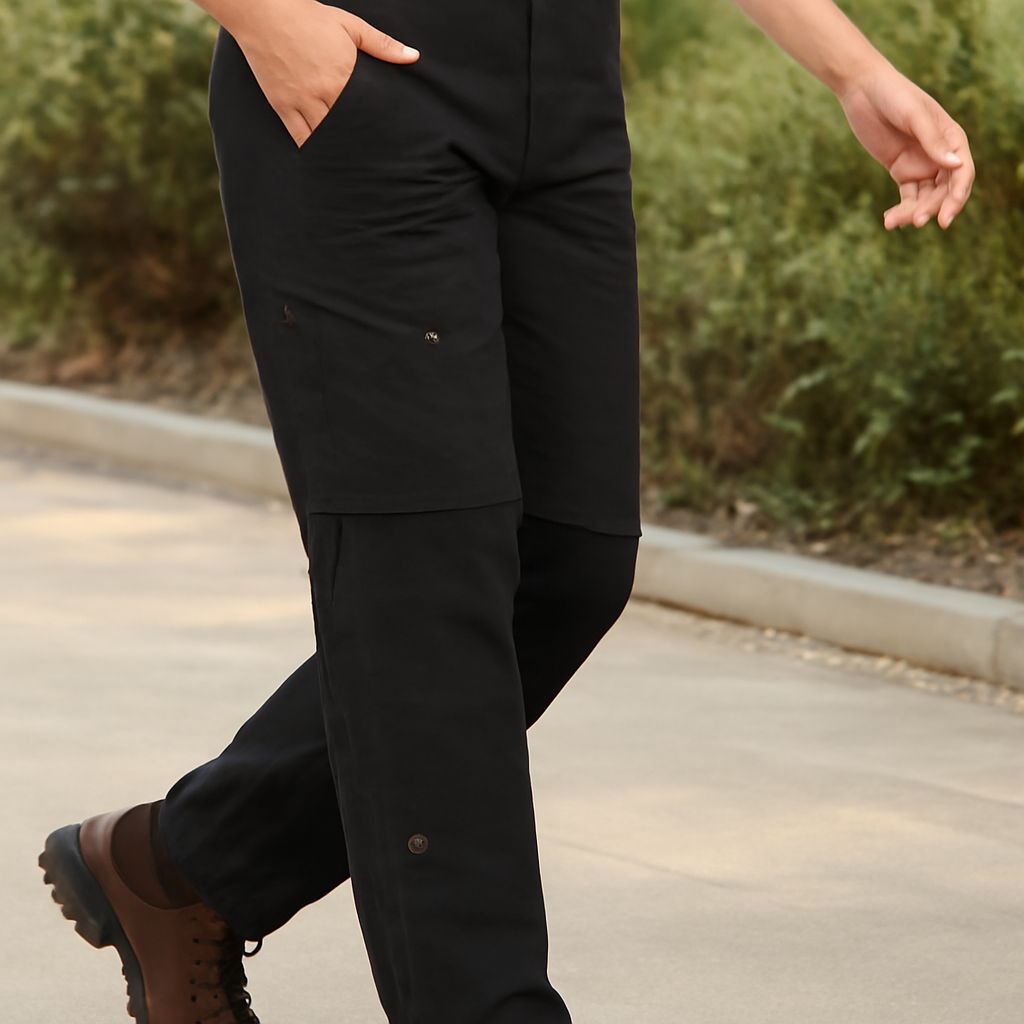
- Leg layer: Use stretch hiking trousers, tights under shorts, or zip-off trousers. The fabric should dry quickly, resist abrasion, and allow high steps, squats, and long strides.
- Insulation layer: A fleece, light synthetic jacket, or down sweater provides warmth during rest stops and cool mornings. Fleece handles damp conditions well, while down offers more warmth for its weight.
- Weather layer: A waterproof-breathable shell protects against rain and wind. A hood, adjustable cuffs, and a hem that covers the hips improve protection when weather changes.
Long trousers and long sleeves provide more coverage from sun, brush, and insects. A spare pair of socks is also useful when wet ground or stream crossings are likely.
How hiking pants should fit, move, and perform
Hiking pants should sit securely without a tight waistband or pressure across the stomach when seated. A mid- or high-rise fit can prevent pack hip belts from exposing skin, while a gusseted crotch and articulated knees improve movement on steep terrain.
- Movement: Stretch woven fabric, a shaped knee, and a smooth waistband should allow climbing, kneeling, and scrambling without pulling.
- Drying: Lightweight nylon or polyester dries faster after sweat or rain. Thicker fabric offers more abrasion resistance but can feel warm and take longer to dry.
- Coverage and storage: Secure pockets should remain accessible under a hip belt. Zippered thigh pockets are useful for a phone or map, provided they do not press against the leg.
Try pants with the intended base layer and backpack. The hem should not catch under a heel, and the waistband should stay in place without relying on a tight belt.
Zip-off hiking pants: convenience versus regular trousers and separate shorts
Zip-off hiking pants are most useful on routes that begin cool, become warm, and may turn windy again. Removing the lower legs takes seconds and avoids packing a second pair of bottoms.
- Against regular trousers: Zip-offs offer faster temperature adjustment and similar coverage when worn full length. Regular trousers usually provide a smoother knee area, less seam bulk, and a more consistent fit during movement.
- Against separate shorts: Zip-offs reduce pack weight and preserve the option to cover the legs for brush, sun, or insects. Separate shorts generally feel cooler and eliminate zippers that can rub behind the knee or catch on fabric.
- Fit and pockets: The lower-leg zippers can create stiff or bulky areas, especially when kneeling. Pocket placement may also be compromised if a thigh pocket sits beside a zipper or becomes difficult to reach under a hip belt.
Choose zip-offs for variable conditions, travel, or trips where minimal packing matters. Choose regular trousers for maximum seam comfort and reliable coverage, or separate shorts for consistently hot routes where unrestricted airflow matters most.
Outfit examples for cool, mild, and warm conditions
These combinations show how a complete system can adjust across typical hiking temperatures. Wind, exertion, and elevation may require one additional layer.
- Cool conditions, about 40–55°F (4–13°C): Wear a merino or synthetic long-sleeve base, supportive bra, moisture-wicking underwear, wool-blend socks, and stretch hiking trousers. Add a fleece, waterproof shell, beanie, and light gloves. Remove the fleece during climbs and put it back on at stops.
- Mild conditions, about 55–70°F (13–21°C): Start with a wicking T-shirt, hiking underwear, socks, and zip-off trousers. Carry a light fleece or wind shirt and a rain shell. Open vents or remove the lower legs when the trail warms; restore full-length coverage for shade, insects, or brush.
- Warm conditions, about 70–85°F (21–29°C): Wear a breathable sun shirt or T-shirt, supportive bra, quick-drying shorts, lightweight socks, and a sun hat. Carry a compact rain shell for storms and a thin layer for exposed, windy sections. Use separate shorts when maximum airflow is more valuable than rapid coverage changes.