Women’s hiking sandals suit warm-weather routes with shallow stream crossings, firm ground, and light packs. Women’s hiking shoes are the most versatile choice for mixed terrain and moderate day hikes, while good hiking boots make more sense on steep, rocky, cold, or heavily loaded routes.
The right category depends on the same six factors in every case: toe protection, support, traction, drying speed, debris entry, and weight. Route conditions should determine which trade-offs matter most.
When women’s hiking sandals work best: warm, wet, easy trails
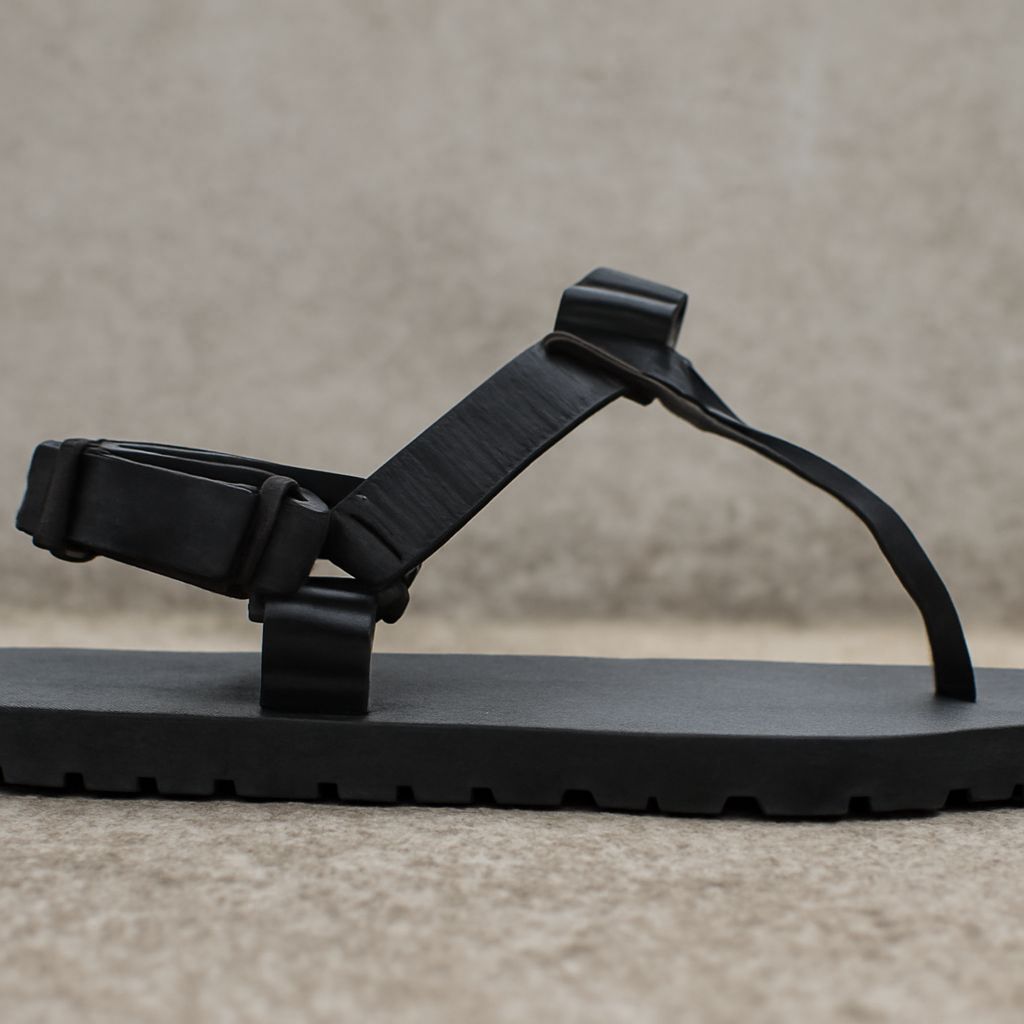
Hiking sandals work well on hot, mostly smooth trails, beach paths, camp approaches, and routes with repeated shallow water crossings. Open construction allows air to circulate around the foot and lets water escape quickly. They are usually the lightest option, which can reduce fatigue on easy terrain.
The main compromise is exposure. Open toes and side panels provide less protection from rocks, roots, and accidental impacts than closed footwear. Sandals also allow grit, leaves, and small stones to enter easily. A covered toe or reinforced front bumper improves protection, but does not make a sandal equivalent to a shoe.
Support varies considerably. A sandal with a firm midsole, shaped footbed, and secure heel strap can handle moderate walking, but it generally offers less structure than a closed hiking shoe or boot. Traction can be reliable on dry rock and packed paths when the outsole has deep, well-spaced lugs. Smooth soles or worn rubber become risky on wet roots, loose slopes, and muddy descents.
Choose sandals for warm, low-risk routes where fast drying and low weight are more valuable than maximum protection. They are a poor match for thorny vegetation, talus, cold weather, long scree traverses, or trails where loose debris cannot be avoided.
When women’s hiking shoes work best: mixed terrain and moderate loads
Women’s hiking shoes are the broadest all-purpose category. Their closed uppers protect the toes from roots and stones, while mesh panels can still provide ventilation. They suit maintained forest trails, rolling hills, day hikes, and mixed routes that combine dirt, rock, and short wet sections.
Compared with sandals, shoes keep out more debris and offer a more stable platform. Compared with boots, they weigh less and usually flex more naturally. That balance makes them effective for hikers carrying a light or moderate day pack who need protection without the bulk of a stiff boot.
Support depends on the design. A flexible trail shoe may feel comfortable on smooth ground but provide limited protection under a heavy load. A hiking shoe with a firmer midsole, structured heel counter, and rock plate offers better stability on uneven surfaces. It still may not provide enough resistance for prolonged sidehilling, deep mud, or a heavily loaded multi-day pack.
Traction should match the route rather than the label. Moderate lugs work well on dirt and hard-packed trails, while deeper, spaced lugs shed mud more effectively. Wet conditions also require rubber that grips slick rock and roots. Shoes dry more slowly than sandals, especially when lined or padded, but breathable uppers can reduce the time they remain damp.
Select shoes when the route includes varied surfaces, occasional obstacles, and changeable weather, but does not demand the highest ankle coverage or load support. Low-cut shoes are often enough for maintained trails; more structured mid-height designs add protection without the full weight of boots.
When good hiking boots work best: rough, cold, steep routes
Good hiking boots are best for rough, steep, or remote routes where protection and stability take priority over weight. They suit rocky trails, loose scree, cold conditions, wet vegetation, snow edges, and trips carrying substantial loads. A higher collar can help keep out debris and provide a more secure feel when the trail is uneven.
Boots usually offer the strongest toe protection through thicker leather or synthetic panels, reinforced toe caps, and more substantial midsoles. Their stiffness can shield the foot from sharp rocks and reduce bending on uneven ground. That structure may feel excessive on flat trails, and the added weight can increase fatigue over long distances.
Support is also a trade-off rather than a guarantee. A boot with a firm midsole, stable heel counter, and secure lacing can improve control under a heavy pack. It cannot correct poor fit or replace careful foot placement. High collars may limit debris entry, but they do not prevent water from entering over the top during a deep crossing.
Look for aggressive, well-spaced lugs when routes involve mud, loose soil, or steep grades. Boots generally provide the most secure platform, although outsole rubber and tread design still determine grip on wet rock. Their thicker materials dry slowly, so prolonged rain or crossings can leave feet damp for hours. Choose boots when the route’s cold, steep, rough, or heavy-load demands outweigh the benefits of a lighter shoe.
Fit and traction checks for any option
- Check heel hold. With the footwear laced as it would be on the trail, the heel should stay in place while walking uphill. Slight movement is normal, but noticeable lifting creates friction and increases blister risk. If the heel slips, try a different lacing pattern or another shape before choosing a larger size.
- Leave toe room. Toes should not touch the front when standing or descending. A small amount of space allows for natural swelling and keeps the toes from striking the end of the footwear. The foot should remain centered rather than sliding forward inside a sandal, shoe, or boot.
- Assess width. The widest part of the foot should sit comfortably over the footwear’s broadest point. Pressure on the little toe, sidewalls, or instep indicates a poor shape, not a fit that should be forced. The foot should feel held without numbness or pinching.
- Test downhill control. Walk down a ramp, stairs, or a gentle slope. The toes should not jam forward, and the heel should remain seated. Repeat with the intended hiking socks, since thicker socks can change both volume and heel hold.
- Inspect traction. On a clean, dry floor, the outsole should feel stable rather than excessively slippery. Outdoors, test short steps on firm dirt, wet rock, and loose ground when safe. Deep lugs help in mud, while a flatter contact pattern may feel more secure on hard rock. Any option that twists, slides, or loses contact during controlled testing is unsuitable for the planned terrain.