The Vernal Falls hike is one of Yosemite National Park’s most popular and rewarding adventures, offering breathtaking views, dramatic terrain, and close encounters with the park’s iconic waterfalls. The vernal falls trail follows the renowned Mist Trail, leading hikers through lush woodlands and up granite steps to the top of Vernal Fall. This guide covers the essential details for planning, hiking, and enjoying every stage of your Vernal Falls adventure.
Overview of the Vernal Falls Hike
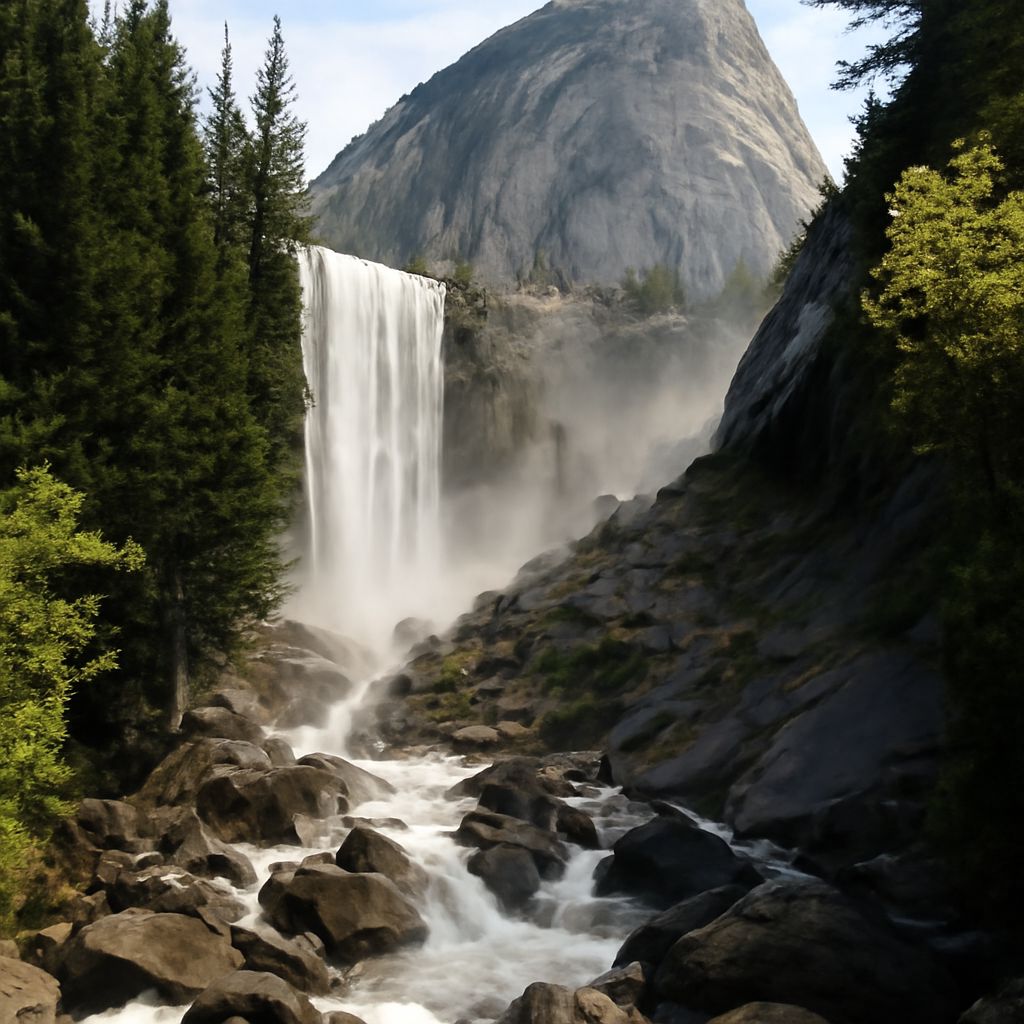
The Vernal Falls hike draws thousands of visitors each year due to its accessibility and stunning scenery. Located at the eastern end of Yosemite Valley, the trail provides a relatively short but invigorating route to a 317-foot waterfall famous for its thundering flow and persistent mist in late spring and early summer. The path is well-maintained and begins at the Happy Isles trailhead, making it suitable for a range of abilities, though its steep grades warrant a moderate difficulty rating.
As hikers ascend, they experience classic Yosemite landscapes, from leafy canopies to sheer granite walls. The trail’s proximity to the Merced River adds a refreshing soundtrack, while the ever-present spray from Vernal Fall offers relief on warm days. Completing the hike rewards visitors with panoramic views of the valley and an up-close perspective of one of Yosemite’s most powerful natural features.
The Vernal Falls trail is best known for the Mist Trail segment, a section that can be wet and slippery during high flow periods. Despite these challenges, it remains a favorite for families, photographers, and anyone seeking a quintessential Yosemite waterfall experience in a half-day outing.
Vernal Falls Trail Route and Difficulty
Trail Distance and Elevation Gain
The entire round-trip hike to the top of Vernal Fall is approximately 2.4 miles (3.9 km), with an elevation gain of roughly 1,000 feet (305 meters). The first mile follows a wide, paved path with a steady incline, leading to the Vernal Fall Footbridge, which provides the first major viewpoint and a convenient rest area with drinking water and restrooms during peak season.
Beyond the footbridge, the trail narrows and becomes notably steeper as it transitions onto the Mist Trail proper. Here, hikers encounter a stone staircase of over 600 steps, often wet from the waterfall’s spray, especially in late spring and early summer. The final ascent is strenuous but manageable for prepared hikers, and the climb is rewarded by phenomenal views from the top of the falls.
The hike can be extended to include Nevada Fall by continuing up the Mist Trail, turning the outing into a longer, more demanding adventure. For most, however, reaching the top of Vernal Fall and returning is a satisfying excursion that fits comfortably into a half-day schedule.
Major Trail Highlights
Key highlights along the vernal falls trail include:
- Vernal Fall Footbridge: The first significant stop, offering a clear view of Vernal Fall and access to water and restrooms.
- Mist Trail Section: As the trail ascends beside the river, hikers experience dense mist and vibrant rainbows on sunny days.
- Granite Staircase: The steep final climb delivers close-up views of the waterfall and a sense of accomplishment with every step.
- Summit Overlook: At the top, a protected viewing area allows for safe enjoyment of the waterfall’s full height and the scenic Merced River below.
In addition to the main attractions, wildflowers bloom along the trail in spring and early summer, and wildlife sightings are common. The combination of natural beauty and varied terrain makes this trail one of Yosemite’s most dynamic short hikes.
Best Time to Hike Vernal Falls
The optimal time for the Vernal Falls hike is from late April through early July, when snowmelt ensures the waterfall’s peak flow and creates the signature mist experience along the Mist Trail. During these months, visitors should expect slippery conditions near the falls and prepare for wet clothing and gear.
After midsummer, the water volume typically decreases, leading to reduced mist and drier trail conditions. Late summer and early autumn offer a less crowded, more tranquil hike, though the waterfall may shrink to a thinner cascade by September. The trail itself is open year-round, but winter brings icy steps and occasional closures due to hazardous conditions. For those hiking in cooler months, traction devices are strongly recommended.
Weekdays, early mornings, and late afternoons are generally less crowded, enhancing the experience for those seeking a quiet journey. Starting early also helps avoid midday heat and maximizes available daylight for exploration and rest stops.
Essential Tips for Planning Your Vernal Falls Adventure
What to Pack and Wear
Hiking the vernal falls trail requires thoughtful preparation. Essential items include:
- Sturdy hiking shoes with good traction to manage slippery and uneven sections.
- Waterproof jacket or poncho to protect against mist, especially in late spring and early summer.
- Water bottle (refill at the footbridge during peak season) and energy snacks.
- Sun protection such as a hat, sunglasses, and sunscreen for exposed sections.
- Small backpack for easy access to essentials.
Layered clothing is recommended due to temperature changes as you ascend. A lightweight towel or microfiber cloth can help dry off after the misty climb.
Safety and Trail Etiquette
Safety is a priority on the Vernal Falls hike. Stay on marked trails and obey all posted signs, especially near cliff edges and swift water. The granite steps can be slippery even when dry—move carefully and use handrails where available. Avoid climbing on rocks near the water, as wet granite is extremely hazardous. Supervise children closely and keep a safe distance from the river’s edge at all times.
Pack out all trash to help preserve Yosemite’s natural beauty, and yield to uphill hikers for smooth trail traffic. Enjoy the scenery at designated viewpoints without blocking the path for others. If you plan to extend your hike or continue to Nevada Fall, bring extra food, water, and check trail conditions in advance.
By preparing for changing conditions and respecting fellow hikers, every visitor can enjoy the unforgettable sights and sounds of the Vernal Falls trail while minimizing risks and ensuring a sustainable future for this iconic Yosemite destination.