The Donut Falls hike is one of the most popular and family-friendly trails in Utah’s Wasatch Mountains, drawing visitors eager to experience the unique beauty of an alpine waterfall that flows through a round hole in the rock. Located in Big Cottonwood Canyon, the donut falls trail offers a memorable outdoor adventure that is accessible to beginners, children, and experienced hikers alike. Understanding the route, what to pack, and the ideal timing for your visit can help you make the most of your Donut Falls hike.
Overview of the Donut Falls Hike
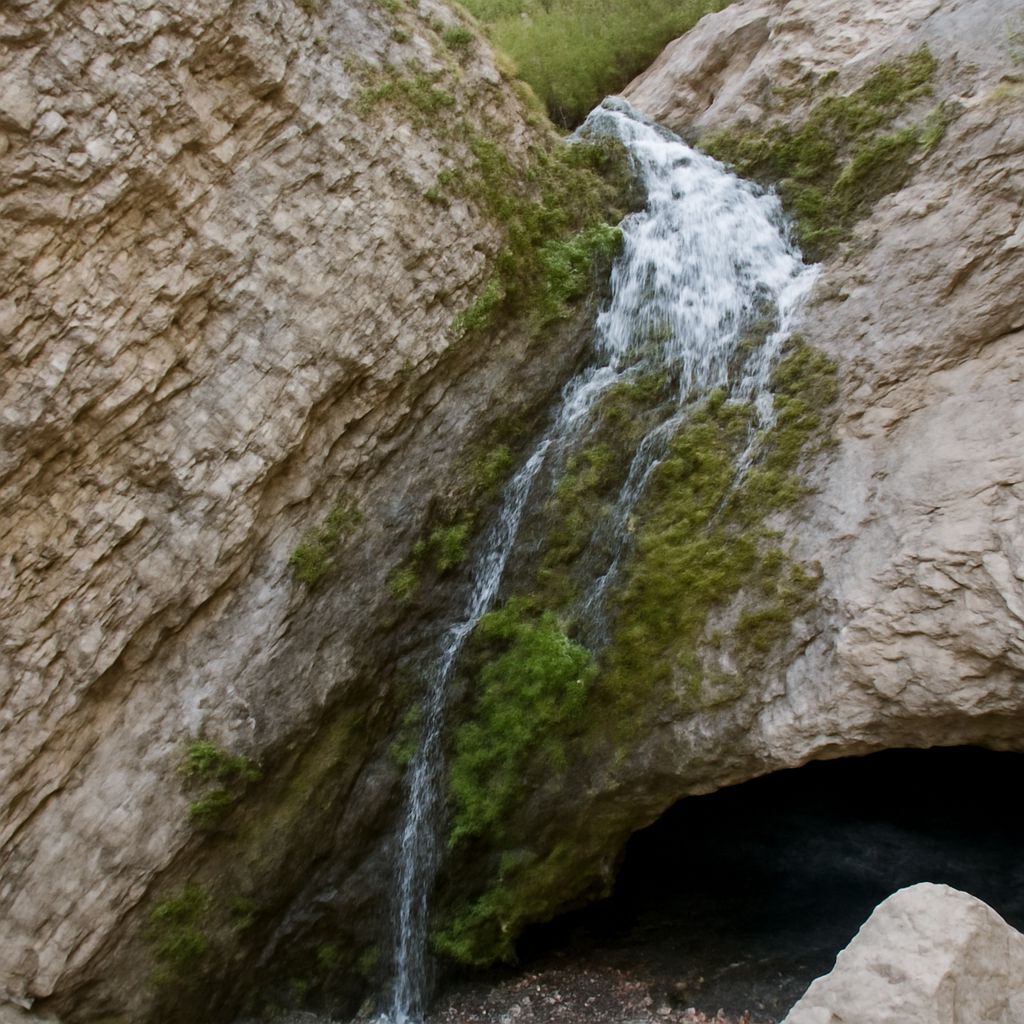
The Donut Falls hike is renowned for its striking waterfall, which gets its name from the way the water pours through a natural “donut” hole in the rock formation. The unique geological feature makes Donut Falls a standout destination among Utah’s numerous canyon hikes. This trail is especially popular with families due to its moderate length, easy-to-follow path, and rewarding views at the end.
The hike covers approximately 3.0 miles round-trip with an elevation gain of around 530 feet, making it an approachable trek for most fitness levels. The donut falls trail is well-trodden and maintained, though visitors should be prepared for some uneven ground and minor stream crossings along the route. Most of the hike cuts through shaded forest and follows the banks of Mill D South Fork, keeping hikers cool even in the warmer summer months.
Donut Falls is located within Big Cottonwood Canyon, part of the Uinta-Wasatch-Cache National Forest, and is a protected area. The falls themselves are a popular photo spot, especially in late spring and early summer when the water flow is at its strongest. Crowds are common during weekends and holidays, so those seeking a quieter experience should plan accordingly.
The distinct scenery and accessibility make Donut Falls an ideal introduction to hiking in the Wasatch region and a favorite among both locals and visitors.
Donut Falls Trail Details and Directions
The donut falls trail starts from the Mill D Trailhead, located approximately 9 miles up Big Cottonwood Canyon Road (UT-190) from the mouth of the canyon. The parking area can fill up quickly, especially on weekends, so early arrival is recommended. In winter months, access may be limited due to snow, and roadside parking may be necessary if the main lot is closed.
The trail begins with a gentle ascent on a wide dirt path. After about 0.7 miles, the route crosses a footbridge over a stream, then continues through pine and aspen forest. Signage at trail junctions makes it easy to stay on the correct path. At the 1.2-mile mark, a spur trail veers right toward Donut Falls. The final approach includes some mild scrambling over rocks and a shallow creek crossing. Depending on water levels, waterproof shoes or extra caution may be required here.
The last 100 yards to the falls can be slippery, especially early in the season or after rain. Many visitors choose to stop at the viewpoint just before the waterfall, but those looking for a closer view can carefully make their way to the base. Entering the cave beneath the waterfall is not recommended due to safety risks from falling rocks and fast-moving water.
After enjoying the falls, return the same way. The total hiking time for most visitors is 1.5 to 2.5 hours, depending on pace and time spent at the waterfall.
What to Bring and Trail Tips
Preparing for the Donut Falls hike is straightforward, but certain items and practices can make your experience safer and more enjoyable. Comfortable hiking shoes with good traction are recommended, as the final segment near the waterfall involves scrambling over wet rocks and crossing a shallow stream. In spring and early summer, water-resistant footwear can help keep feet dry through crossings and muddy sections.
Bring at least one liter of water per person, as there are no facilities to refill bottles along the donut falls trail. Snacks or a light lunch are also a good idea, especially when hiking with children. Sunscreen, sunglasses, and a hat are useful for exposed sections of the trail, though much of the route remains shaded. A small first-aid kit can help manage minor scrapes or insect bites.
Pets are not allowed in Big Cottonwood Canyon due to watershed regulations, so leave dogs at home. The area can be crowded, so practice trail etiquette by yielding to uphill hikers and stepping aside for larger groups. In early season or after storms, check trail reports for any closures or hazards.
For families, the Donut Falls hike is especially suitable for children age five and up, though close supervision is needed during stream crossings and near the falls. For photographers, a wide-angle lens captures the falls best. Respect posted signs and remain on designated trails to help preserve the area’s natural beauty.
Best Times to Visit Donut Falls
The most popular time to hike to Donut Falls is between late May and early October, when snow has melted and the donut falls trail is clear. During this period, the waterfall is at its most impressive, especially in June and July thanks to spring runoff. Wildflowers bloom along the trail during early summer, adding visual interest to the hike.
Weekdays and early mornings offer the best chance for solitude, as weekends—especially holidays—can be crowded and parking spots fill quickly. Autumn brings cooler temperatures and fewer visitors, with the added bonus of colorful foliage from the surrounding aspens.
In winter, Donut Falls transforms into a snowshoeing destination, though the trail can be icy and navigation more challenging. Snowshoes or traction devices are often needed, and the approach from the main road extends the hike’s distance. Water flow at the falls is reduced during the coldest months, but the snow-covered landscape offers a different kind of beauty for prepared adventurers.
Always check the local weather forecast and avalanche conditions before heading out in winter. Spring hiking is possible but may involve muddy trails and lingering snow patches, especially in shaded areas. Planning your visit according to the season ensures a safe and memorable Donut Falls hike experience.