A striped visitor has been collecting seeds outside your cabin, and now a cold morning has arrived without a sighting. You may wonder where a chipmunk makes its home and whether it sleeps through the cold season. Many chipmunks spend winter in bouts of torpor, waking between them to eat from stores tucked underground.
The details depend on the species and the place. An eastern chipmunk in Pennsylvania faces a different season from a mountain species farther west, and neither calendar should be applied to a tropical forest in Panama. Here’s how the burrow, pantry, and winter slowdown fit together.
Where Do Chipmunks Live and Build Their Burrows?
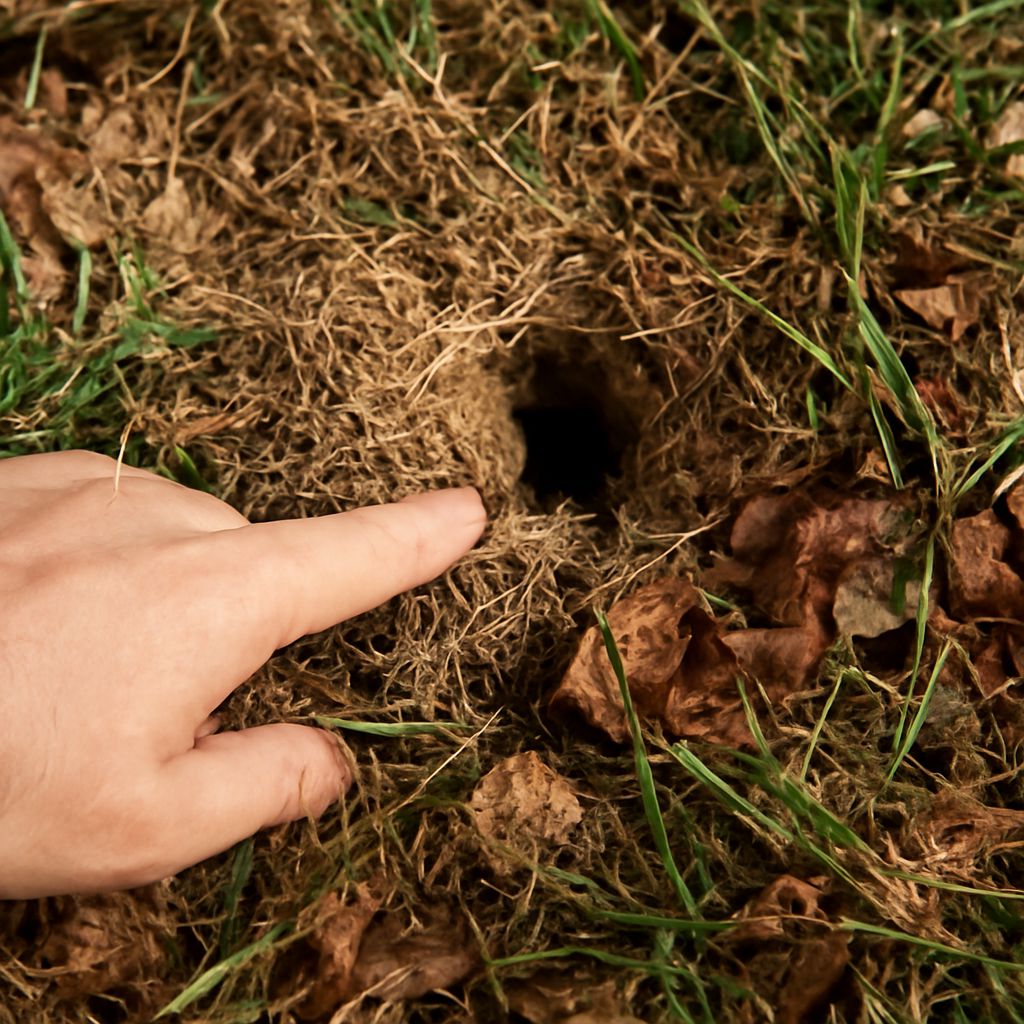
Where do chipmunks live when people build near their habitat? Eastern chipmunks live in woodlands and along forest edges, as well as in gardens and areas around buildings. Look for cover near a stump, stone wall, brush pile, or foundation: an entrance can be tucked close to an object that offers shelter from predators.
According to West Virginia wildlife officials, an eastern chipmunk’s entrance is usually two inches across or less, with little obvious soil piled around it. The animal carries excavated dirt away in its cheek pouches and scatters it, leaving a surprisingly tidy doorway. A small hole alone is not enough to identify its occupant, so watch from a distance for the animal itself.
Below that doorway, a burrow can be much more than a single passage. A main tunnel may connect a nest chamber, food-storage rooms, side pockets, and escape routes. The University of Michigan’s Animal Diversity Web describes eastern chipmunks lining a nest with crushed leaves. Picture a dry sleeping room beside a pantry, with a few exits for a quick departure.
Other species use different habitats. Yellow-pine chipmunks, for example, occupy parts of western North America and forage around shrubs and cover. The setting where chipmunks make their homes therefore varies with the local species; a hole beside a Pennsylvania porch is only one version of the story.
A Pantry Carried in Cheek Pouches
Watch a chipmunk gather food and its cheeks may seem to expand by the minute. Those pouches are carrying bags: the animal transports seeds and nuts to storage sites, then returns for another load. Eastern chipmunks also eat fruit, fungi, and animal foods such as insects, according to the University of Michigan account.
Food is collected throughout the year, with especially active caching in early fall. Some supplies go into chambers in the burrow; other caches can be scattered across the animal’s home range. A cache provides food later when the ground is cold or snow makes foraging harder. It also means that a winter wake-up can lead to a nearby meal rather than a long trip outdoors.
For a visitor, the best way to enjoy this little delivery service is to let it run on wild food. Keep your own snacks packed away and observe without trying to coax an animal closer. At a lodge or trailhead, secure food and trash so wildlife has less reason to visit people’s bags.
What Happens During the Winter Slowdown?
So, do chipmunks hibernate in the winter? The everyday answer is yes, many undergo a winter dormancy, but their pattern includes repeated periods of torpor and arousal. During torpor, body processes slow and body temperature drops, reducing energy use. After a bout, the animal warms up and becomes active again; it can eat from its stored food before entering another bout.
Some chipmunks hibernate during winter in a rhythm of torpor and waking, with stored food close at hand. Researchers describe the eastern chipmunk’s behavior differently: some call it shallow hibernation, while others emphasize repeated torpor and waking. That cycle matters when you picture the season underground. A chipmunk is not simply asleep from the first snowfall until spring. In mild weather an eastern chipmunk may even appear above ground to forage, as the Michigan account notes. A brief sighting on a sunny day can be part of its normal winter pattern.
When do chipmunks hibernate? Cold weather and shorter days are part of the seasonal picture, but the timing varies with species, region, and elevation. The Uinta chipmunk account gives a typical October-to-May period while noting regional and elevation differences. In Pennsylvania, the state game commission describes chipmunks going underground in late October or early November, with some reappearing to breed in late February or early March.
Those are examples, not a universal timetable. A warm spell, local conditions, and the animal’s own activity can change what you see on any particular day. If you are planning a wildlife walk, ask a local naturalist which species lives in that habitat and what activity is usual for that season.
What About a Mountain Trip in Panama?
Santa Fe’s cloud forests offer their own wildlife encounters, but a North American winter calendar is a poor field guide for a Panamanian trail. Local rainfall, elevation, and habitat shape what you may see there. Ask your guide about the animals recorded on your route and carry binoculars so you can watch from a respectful distance.
And if the cabin visitor returns on a mild day? Enjoy the glimpse, leave its burrow undisturbed, and let it decide when to disappear back into its very well-stocked home.