The Hoh National Forest stands as one of North America’s most renowned temperate rainforests, drawing visitors to its unique ecosystem and immersive trail experiences. Located on Washington’s Olympic Peninsula, the Hoh Rainforest offers dramatic scenery, lush vegetation, and a network of trails for adventurers of all skill levels. Understanding the trails, weather, and planning specifics helps visitors get the most from their journey into this extraordinary rainforest in Washington. This guide details what makes the Hoh National Forest exceptional, how to choose the right hike, prepare for the terrain, and experience the best sights and wildlife the forest has to offer.
Why the Hoh National Forest Is Washington’s Iconic Rainforest
The Hoh National Forest, within Olympic National Park, is celebrated as one of the last remaining examples of temperate rainforest in the United States. Receiving an average of 140 inches of annual rainfall, this rainforest in Washington is defined by its dense canopy, vibrant moss-draped trees, and thriving undergrowth. The region’s high precipitation sustains an ecosystem rich in biodiversity and old-growth trees, some dating back hundreds of years. The forest’s climate remains cool and damp year-round, creating a lush, emerald landscape that is rare in North America.
What sets the Hoh National Forest apart is not only its volume of rain but the resulting landscape: Sitka spruce, western hemlock, and Douglas fir dominate the forest, while bigleaf maples and red alders are adorned with thick green mosses and ferns. Fallen logs become nurse trees, nurturing new plant growth and supporting a complex web of life. Visitors to the Hoh Rainforest enter a world shaped by nature’s persistence, where every branch, root, and patch of soil teems with activity.
This unique habitat is designated as both a UNESCO World Heritage Site and an International Biosphere Reserve, underscoring its global ecological significance. The presence of quiet, misty groves, clear glacial rivers, and undisturbed wildlife draws hikers, researchers, and photographers from around the world. The forest’s accessibility—from the Hoh Rain Forest Visitor Center and maintained trailheads—makes it one of the most approachable and iconic rainforests in Washington state.
Choosing the Right Trail in the Hoh National Forest
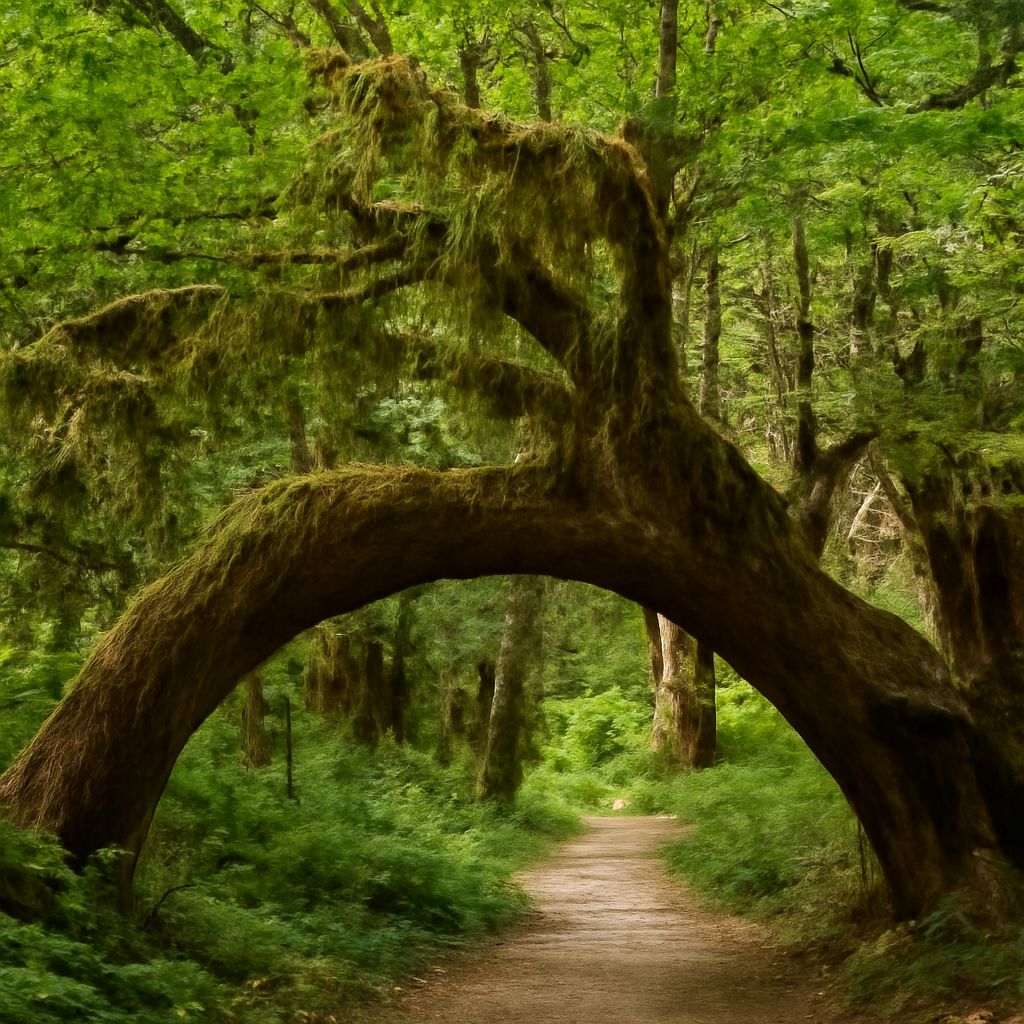
The Hoh National Forest offers a trail system that caters to a broad range of interests and skill levels. Among the most popular hikes is the Hall of Mosses Trail, a short and family-friendly loop of about 0.8 miles. This trail winds through ancient stands of maple trees draped with moss, showcasing the classic appearance of a rainforest in Washington. Educational signage along the way highlights the forest’s ecology, making it ideal for first-time visitors or those with limited time.
For a slightly longer and equally accessible route, the Spruce Nature Trail offers a 1.2-mile loop that parallels the Hoh River. This trail provides views of both river and forest, with opportunities to spot wildlife and learn about the dynamic relationship between the water and the trees. The gentle grade appeals to families and casual hikers.
Adventurous hikers can opt for the Hoh River Trail, a legendary out-and-back route stretching 18.5 miles one-way to Glacier Meadows, with options for shorter day hikes or challenging backpacking trips. The first five miles to Five Mile Island are frequently traveled by day hikers, offering constant views of old-growth forest, riverbanks, and occasional elk sightings. Committed backpackers can continue further to the base of Mount Olympus for a multi-day wilderness experience.
Trail selection should account for group experience, weather, and the amount of time available. Maps and trail reports, accessed at the visitor center or the National Park Service website, help hikers choose the safest and most rewarding trail for their needs.
Essential Trail Planning Tips for Hoh National Forest
Successful hiking in the Hoh National Forest depends on preparation tailored to its rainforest conditions. The area’s consistent rainfall means trails may be muddy or slippery, even during summer. Waterproof boots with good traction, quick-drying layers, and rain gear are essential for comfort and safety. Insect repellent is also advised, as mosquitoes and flies are frequent in wetter months.
Weather in the Hoh Rainforest can change rapidly; checking forecasts and trail conditions before arrival is vital. The Hoh Rain Forest Visitor Center provides up-to-date information, maps, and ranger advice. Parking is limited at peak times (especially summer and weekends), so early arrival is recommended to secure a spot. Trailhead restrooms are available, but there are no services deeper in the forest, so packing out all trash is required to protect this sensitive environment.
Permits are not required for day hikes but are necessary for overnight camping along the Hoh River Trail. Bear canisters are mandatory for backpackers to deter wildlife from campsites. Drinking water should be filtered or treated, as streams and rivers may carry pathogens. Cell service is unreliable, so carrying a printed map and letting someone know your plans is wise for safety.
During winter and spring, some trails may be affected by flooding or fallen trees. Checking National Park Service alerts and considering alternate routes ensures a safe and enjoyable trip regardless of season.
Must-See Sights and Wildlife in the Hoh Rainforest
Visitors to the Hoh National Forest are rewarded with spectacular natural sights and wildlife encounters. The Hall of Mosses is a visually stunning area with arches of moss-laden maple branches, ideal for photography and quiet contemplation. The Hoh River’s turquoise waters provide a striking contrast to the greens of the forest and are home to salmon, otters, and amphibians.
Wildlife watching is a highlight: Roosevelt elk herds are often seen grazing in meadows and riverbanks, especially near dawn and dusk. Black bears, though shy, inhabit the area, as do deer, bobcats, and numerous small mammals. Birders can spot varied species including northern spotted owls, Steller’s jays, and woodpeckers. In the undergrowth, banana slugs and frogs contribute to the forest’s diversity.
Seasonal changes shape the rainforest experience. Spring brings wildflowers and increased animal activity, while autumn features dramatic leaf color changes among maples and alders. Winter’s heavy rainfall creates roaring streams and misty vistas, offering a peaceful solitude to those prepared for the elements.
Whether hiking a short nature trail or exploring deeper wilderness, the Hoh National Forest delivers a rainforest experience unique to Washington, marked by ancient trees, vibrant wildlife, and the timeless rhythm of rain and river.