Switzerland is a prime destination for outdoor enthusiasts drawn to dramatic alpine scenery, pristine trails, and well-developed infrastructure. Hiking in Switzerland offers a unique blend of natural beauty, access to the heart of the Swiss Alps, and experiences that range from gentle valley strolls to challenging high-altitude treks. Whether seeking iconic peaks or tranquil lakes, Switzerland’s hiking trails provide options for all skill levels, making it one of Europe’s top hiking countries.
The best hikes in Switzerland are renowned for their breathtaking vistas, diversity of landscapes, and efficiency of access by public transport. This article covers why Swiss hiking stands out, details five of the most unforgettable routes, explains how to plan a Swiss Alps hiking trip, and shares essential tips for safe and enjoyable adventures in the mountains.
Why Go Hiking in Switzerland?
Switzerland’s hiking network spans over 65,000 kilometers, linking picturesque villages, alpine meadows, rugged peaks, and crystal-clear lakes. The country is famous for its well-marked trails and efficient transportation options, making even remote starting points accessible without a car. Hiking in Switzerland gives visitors unrivaled access to the Swiss Alps’ most impressive landscapes, including views of iconic summits like the Matterhorn and Eiger.
The diversity of trails caters to every type of traveler—from families seeking short, scenic walks to experienced trekkers ready to tackle demanding multi-day routes. Many paths traverse UNESCO World Heritage areas, such as the Jungfrau-Aletsch region, offering both natural and cultural highlights along the way. High standards of trail maintenance, clear signposting, and abundant mountain huts ensure both safety and comfort for hikers.
Switzerland’s commitment to sustainability and environmental stewardship is evident in the careful management of its hiking areas. Seasonal wildflowers, alpine wildlife sightings, and opportunities to visit traditional mountain villages add depth and authenticity to every hiking experience. Whether for a day trip or a hut-to-hut trek, Swiss hiking delivers memorable moments at every turn.
Top 5 Best Hikes in Switzerland
1. The Eiger Trail
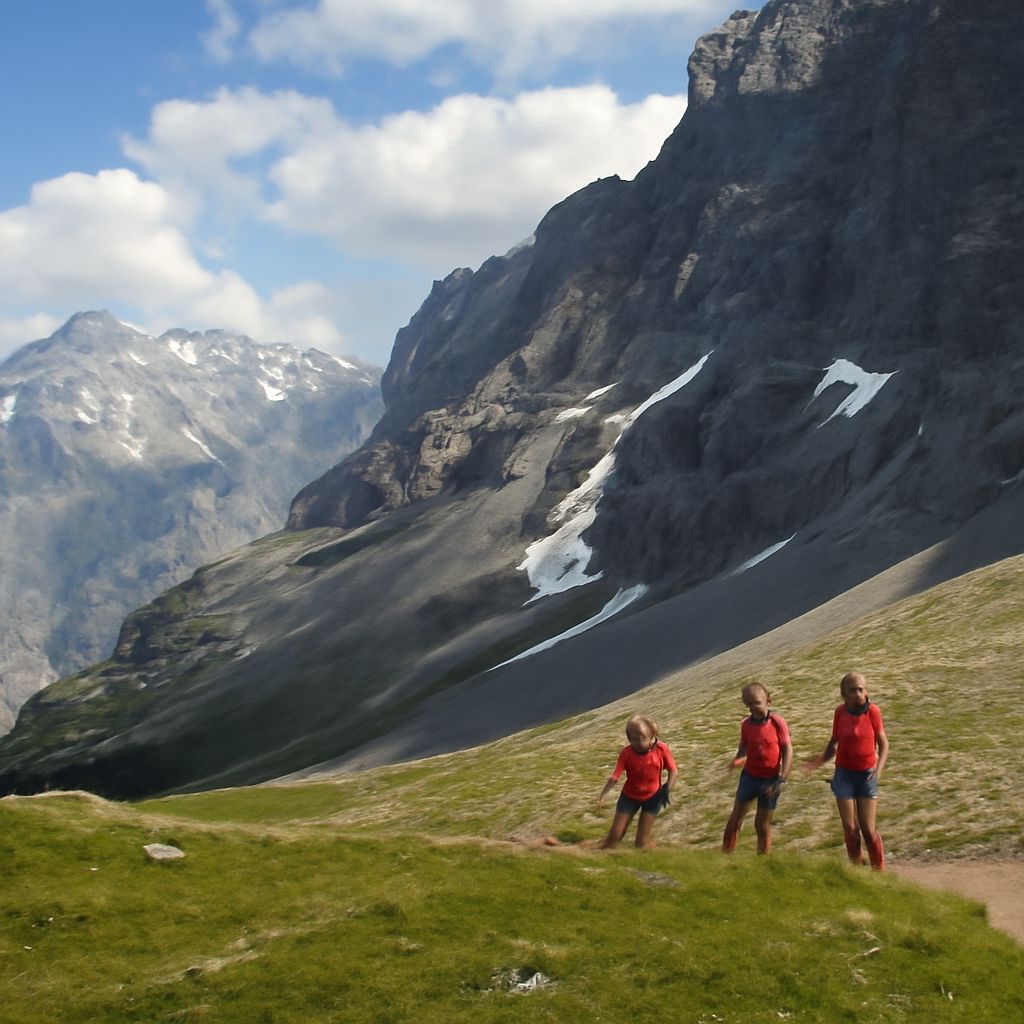
This renowned route runs beneath the dramatic north face of the Eiger, connecting the Eigergletscher railway station to Alpiglen. The Eiger Trail is well-marked (about 6 km, 2-3 hours) and accessible for most ability levels, with stunning close-up views of sheer rock faces and alpine meadows. The best time to hike is July through October. The trail is popular for its rugged scenery and its proximity to the legendary Eiger mountain, making it a must-hike in the Bernese Oberland.
2. Five Lakes Walk (Zermatt)
The Five Lakes Walk, near Zermatt, is one of the best hikes in Switzerland for those seeking panoramic views of the Matterhorn mirrored in pristine mountain lakes. The 9.8 km loop passes Stellisee, Grindjisee, Grünsee, Moosjisee, and Leisee, each offering unique perspectives and excellent picnic spots. The route is family-friendly, with moderate elevation change and accessible by the Sunnegga funicular and Blauherd cable car. Late spring through early autumn is ideal for this hike.
3. Schynige Platte to First
This high-altitude traverse between Schynige Platte and First takes hikers along a ridge with uninterrupted views of the Eiger, Mönch, and Jungfrau peaks. Covering about 16 km and taking 6-7 hours, this trail is best for fit hikers comfortable with sustained distance and some exposed sections. Highlights include wildflower meadows, the crystal-clear Bachalpsee lake, and sweeping alpine panoramas. The route is serviced by cogwheel trains and cable cars at both ends, allowing for flexible access.
4. The Aletsch Glacier Trail
This hike offers a close encounter with the largest glacier in the Alps. Starting from Bettmerhorn or Eggishorn, the trail provides spectacular views over the 23 km Aletsch Glacier. The walk can be tailored to different ability levels, with shorter panoramic routes or longer hikes that descend toward Riederalp. Interpretive signs explain glaciology and local ecology, enhancing the educational value. The best months are June through September, when the paths are snow-free.
5. Lauterbrunnen Valley Trail
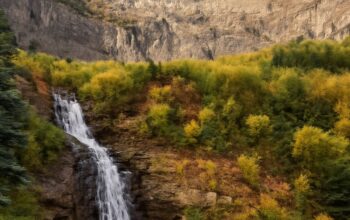
One of the most picturesque valley walks in Switzerland, the Lauterbrunnen Valley Trail follows the valley floor beneath dramatic cliffs and past 72 waterfalls, including the famed Staubbachfall. The easy 7 km trail connects the villages of Lauterbrunnen and Stechelberg, with options to extend to Trümmelbach Falls or take side trails toward Wengen and Mürren. This path is suitable for all ages and accessible from spring through autumn.
Planning Your Swiss Alps Hiking Adventure
Effective planning is essential for a rewarding Swiss Alps hiking experience. The best time for most routes is between June and October, when trails are clear of snow and mountain transport is fully operational. For high-altitude hikes, July to September ensures the greatest safety and accessibility. Weather in the Alps can change rapidly, so always check forecasts and be prepared for sun, wind, or rain within a single day.
Switzerland’s public transport system is a major asset for hikers. The Swiss Travel Pass covers trains, buses, and many mountain lifts, making it efficient to combine multiple regions or access remote trailheads. Booking mountain huts or popular accommodations several months in advance is recommended, especially during peak season. Many trails intersect with well-marked rest stops or villages for meals and supplies, reducing the need to carry large amounts of food or water.
Packing light but thoroughly is key. Essential items include sturdy hiking boots, weatherproof clothing in layers, sun protection, and a map or GPS. For multi-day treks, lightweight sleeping gear may be needed for hut stays. Plan daily distances conservatively, taking into account altitude gain and personal fitness.
Respect for local customs, trail etiquette, and environmental guidelines is expected. Carry out all waste, stay on marked paths, and avoid disturbing wildlife or livestock. With careful planning, hikers can safely explore Switzerland’s most rewarding trails, from gentle lakeside strolls to world-class alpine traverses.
Essential Tips for Safe and Enjoyable Hiking
Safety and enjoyment on Swiss trails rely on preparation and awareness of alpine conditions. Always inform someone of your planned route, especially on longer or less-traveled trails. Mobile phone coverage is widespread but not guaranteed in remote valleys, so consider carrying a charged power bank and offline topo maps.
Pace yourself to account for altitude changes—overexertion can occur quickly above 2,000 meters. Drink plenty of water and protect yourself from strong mountain sun with hats, sunglasses, and high-SPF sunscreen. Start hikes early in the day to avoid afternoon thunderstorms, which are common in the Alps during summer.
If unsure about route-finding or weather, consult local tourist offices or mountain guides, who can provide updated trail conditions and safety advice. Many Swiss hiking trails are family-friendly, but always match the hike to the ability and experience of all group members. Take regular breaks, enjoy the scenery, and be prepared to turn back if conditions worsen.
By combining reliable planning, adherence to safety protocols, and respect for the environment, hiking in Switzerland becomes an unforgettable way to discover the best of the Swiss Alps. Every trail offers new perspectives and lasting memories, making Switzerland a true hiker’s paradise.