The Harding Icefield Trail is a renowned backcountry route in Kenai Fjords National Park, Alaska, offering hikers a dramatic transition from lush forest to stark alpine tundra, with panoramic views across one of North America’s largest icefields. Covering approximately 8.2 miles round trip and gaining over 3,500 feet in elevation, the trail is a challenging but rewarding adventure for those seeking an authentic Alaskan wilderness experience. This guide details the Harding Icefield Trail’s route, key features, optimal hiking windows, essential gear, and important safety considerations to help hikers plan a safe and memorable journey.
Overview of the Harding Icefield Trail
The Harding Icefield Trail is frequently listed among Alaska’s most iconic day hikes, drawing adventurous visitors eager to experience the dramatic landscapes of Kenai Fjords National Park. The trail begins at the Exit Glacier Area, about 12 miles from Seward, and ascends steadily above the tree line to a breathtaking overlook of the 700-square-mile Harding Icefield. The hike is strenuous, with steep grades, rocky switchbacks, and rapidly changing weather. Most hikers complete the route as a long day hike, though the National Park Service recommends allowing 6 to 8 hours for the round trip, depending on fitness and trail conditions.
Named for President Warren G. Harding, the icefield itself feeds over 30 glaciers, including the easily accessible Exit Glacier. Along the trail, hikers witness the shift from dense subalpine forest through alder and willow thickets, up into open tundra and snowfields, culminating in sweeping glacier vistas. The combination of physical challenge and extraordinary scenery makes the Harding Icefield hike a bucket-list experience for outdoor enthusiasts visiting Alaska.
Trail Route and Key Highlights
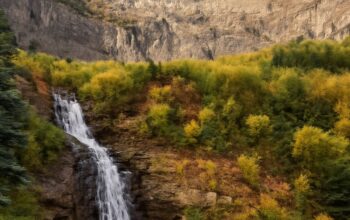
The Harding Icefield Trail starts at the Exit Glacier Nature Center parking lot. The initial portion of the trail follows the valley floor, winding through lush spruce and cottonwood forests. After the first mile, the route becomes noticeably steeper as it climbs through alder-filled slopes, offering intermittent views of Exit Glacier below. Wooden bridges and constructed steps assist hikers across streams and muddy sections, especially early in the season.
At roughly 1.5 miles, the trail emerges from the forest onto open tundra, where wildflowers and mosses dominate during midsummer. The scenery broadens, revealing deep glacial valleys and distant peaks. Notable viewpoints along the way include Marmot Meadows, an excellent spot to glimpse mountain goats and take in panoramic glacier views, and the Cliffs section, a rocky traverse with dramatic lookout points.
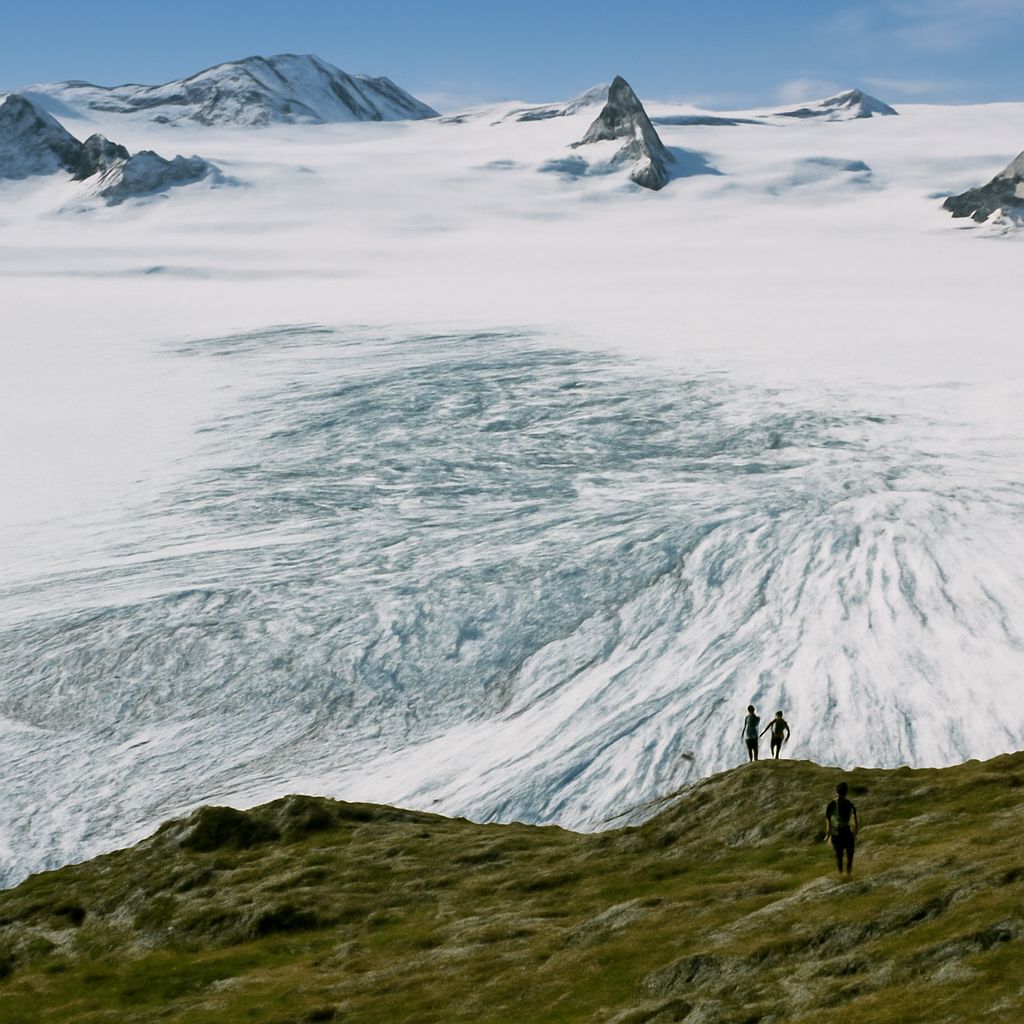
The trail culminates at the Harding Icefield Overlook, where hikers are rewarded with a sweeping, unbroken view of the icefield stretching to the horizon. Depending on conditions, snowfields may be present into July, requiring careful footing. The return follows the same route, with descending grades demanding steady attention to avoid slips, especially in wet or icy weather.
Best Time to Hike and Weather Considerations
The recommended season for the Harding Icefield hike is late June through early September, when snow has largely melted from the upper trail and the route is most accessible. Outside this window, snow and ice can obscure the path, increasing avalanche risk and making navigation difficult. July and August offer the best combination of clear trail conditions and wildflower displays, but also coincide with the highest visitor traffic.
Alaska’s coastal weather is highly variable, and hikers should prepare for rapid shifts between sun, rain, wind, and fog. Even midsummer temperatures can be cool, particularly above the tree line, with wind chills dropping significantly near the icefield. Afternoon thunderstorms and sudden rain showers are common. Early morning starts are advised to avoid crowds and unpredictable afternoon weather. Checking the latest trail conditions with the Kenai Fjords National Park Visitor Center is recommended before setting out.
Daylight hours are long during the peak season, but always plan for the unexpected by bringing a headlamp or flashlight, especially if starting later in the day. Snowfields may linger well into July, particularly on shaded slopes, so be prepared for slippery sections and cold conditions near the summit.
Essential Gear and Preparation Tips
Proper preparation is critical for a successful Harding Icefield Trail experience. Sturdy, waterproof hiking boots are essential due to the steep, rocky, and often muddy trail. Layered clothing is recommended to manage changing temperatures and frequent precipitation. Include a moisture-wicking base, insulating mid-layer, and waterproof outer shell. Gloves and a warm hat are advisable, even in summer months.
Bring at least 2 liters of water per person, as there are no reliable water sources above the treeline. High-energy snacks and a packed lunch are important for fueling a long day. Trekking poles can help reduce fatigue and improve stability on steep or slick segments. In early or late season, gaiters and microspikes may be necessary for lingering snow or ice.
Other recommended items include a map or GPS device, first aid kit, sun protection, and insect repellent. Cell service is unreliable along most of the trail, so let someone know your plans and expected return time. Weather can change rapidly, so check the forecast and be prepared to turn back if conditions deteriorate. Carrying a lightweight emergency blanket or bivy sack is prudent for unexpected delays.
Safety and Wildlife on the Harding Icefield Hike
The Harding Icefield Trail traverses active bear country, and both black and brown bears are regularly observed along the route. Hikers should travel in groups when possible, make consistent noise to avoid surprising wildlife, and carry bear spray readily accessible. Store food securely and never leave packs unattended, especially at rest stops.
Mountain goats, marmots, and ptarmigan are commonly spotted in the alpine areas. Maintain a respectful distance from all wildlife to avoid disrupting natural behaviors and for personal safety. The high-elevation environment means hypothermia is a risk even in summer, particularly if hikers become wet or are delayed. Signs of altitude sickness are rare due to the trail’s moderate elevation, but fatigue, dehydration, and cold exposure are the most common challenges.
Trail hazards include loose rocks, slick mud, and lingering snowfields, especially after rain or in early summer. Descend carefully and consider turning back if trail markers become obscured or if lightning, whiteout, or heavy fog develops. Emergency response times can be lengthy due to the remote location, so self-sufficiency and situational awareness are essential at all stages of the Harding Icefield hike.