Desolation Wilderness is a popular destination for hikers, backpackers, and outdoor enthusiasts seeking pristine alpine scenery in California’s Sierra Nevada. To preserve its unique environment and ensure visitor safety, the U.S. Forest Service requires all visitors to obtain Desolation Wilderness permits before entering the area. Understanding the permit system, application process, and essential regulations helps ensure a seamless and responsible adventure.
Why You Need a Permit for Desolation Wilderness
Permits are mandatory for anyone entering Desolation Wilderness, whether for a day hike or an overnight backpacking trip. The permit system is in place to protect fragile ecosystems, limit crowding, and manage visitor impact. Wilderness areas like Desolation are especially sensitive to overuse, as heavy foot traffic can damage soil, water, and native plants.
Desolation Wilderness permits are not just a formality; they help land managers track use, enforce group size limits, and plan for trail maintenance and conservation. Additionally, permits provide a means to communicate important safety information, such as fire restrictions and changing trail conditions, directly to visitors. Compliance with the permit requirement also helps preserve the quality of the wilderness experience for all by avoiding overcrowding and resource depletion.
Failure to secure a required permit can result in fines and being asked to leave the wilderness. Rangers routinely check for permits on the trail, especially during peak summer and fall seasons.
Types of Desolation Wilderness Permits
The two main types of Desolation Wilderness permits are day use permits and overnight permits. Each serves a specific purpose and has its own regulations and quotas.
- Day Use Permits: Required year-round for all day visitors. These permits are unlimited but must be filled out at the trailhead or online prior to entry. Day use does not allow camping or overnight stays; all activities must conclude by sunset.
- Overnight Permits: Mandatory for any trip that involves camping within Desolation Wilderness boundaries. Overnight permits are subject to a strict quota system from the Friday before Memorial Day through September 30. The quota system is designed to distribute use evenly across zones and prevent overcrowding at popular lakes and campsites. A limited number of permits are available for each trailhead and each night.
Specialty permits are also sometimes issued for groups, such as educational outings or volunteer trail crews, but the requirements for these are managed separately through the U.S. Forest Service office.
It is important to note that each permit is only valid for entry through the specified trailhead and on the reserved date. Changing your entry point or dates usually requires canceling and re-booking, subject to availability.
How to Apply for a Desolation Wilderness Permit
The process for obtaining Desolation Wilderness permits depends on the type of trip you are planning and the time of year. For both day and overnight visits, advanced preparation is recommended, especially during peak season.
Day Use Permits: These are available at most major trailheads and can often be self-issued at the kiosk or registration box. Some trailheads also offer online self-registration through the recreation.gov portal. It is essential to carry your completed permit while hiking, as rangers may ask to see it.
Overnight Permits: The application for overnight Desolation Wilderness permits is completed primarily online at recreation.gov. Reservations can be made up to six months in advance, and popular trailheads such as Echo Lakes, Glen Alpine, and Eagle Falls fill quickly for summer weekends. Permits are released at 7:00 AM Pacific time, and it is advisable to be online and ready to reserve as soon as the window opens.
Applicants must select their entry trailhead, entry date, group size, and number of nights. Each reservation is specific to the chosen zone, and you must enter on the date specified. After payment and confirmation, permits can be printed at home or stored electronically to show to rangers. Some walk-up permits are held in reserve and can be claimed at Forest Service offices or designated kiosks, but these tend to disappear quickly during high demand.
For those planning a trip outside the quota season (October 1 to the Thursday before Memorial Day), self-issued overnight permits are also available at trailheads. However, group size limits and standard wilderness regulations remain in effect.
Planning Your Trip: Regulations and Tips
In addition to obtaining your Desolation Wilderness permit, familiarizing yourself with area regulations and best practices will help protect the wilderness and ensure a successful visit.
- Group Size Limits: The maximum group size is 12 people for both day and overnight trips. Splitting larger groups and camping apart does not circumvent this rule, and rangers strictly enforce it.
- Campfire Restrictions: No campfires are allowed anywhere in Desolation Wilderness at any time. Only gas or propane stoves are permitted for cooking, regardless of season or elevation. This is a critical rule due to ongoing wildfire risk and environmental impact.
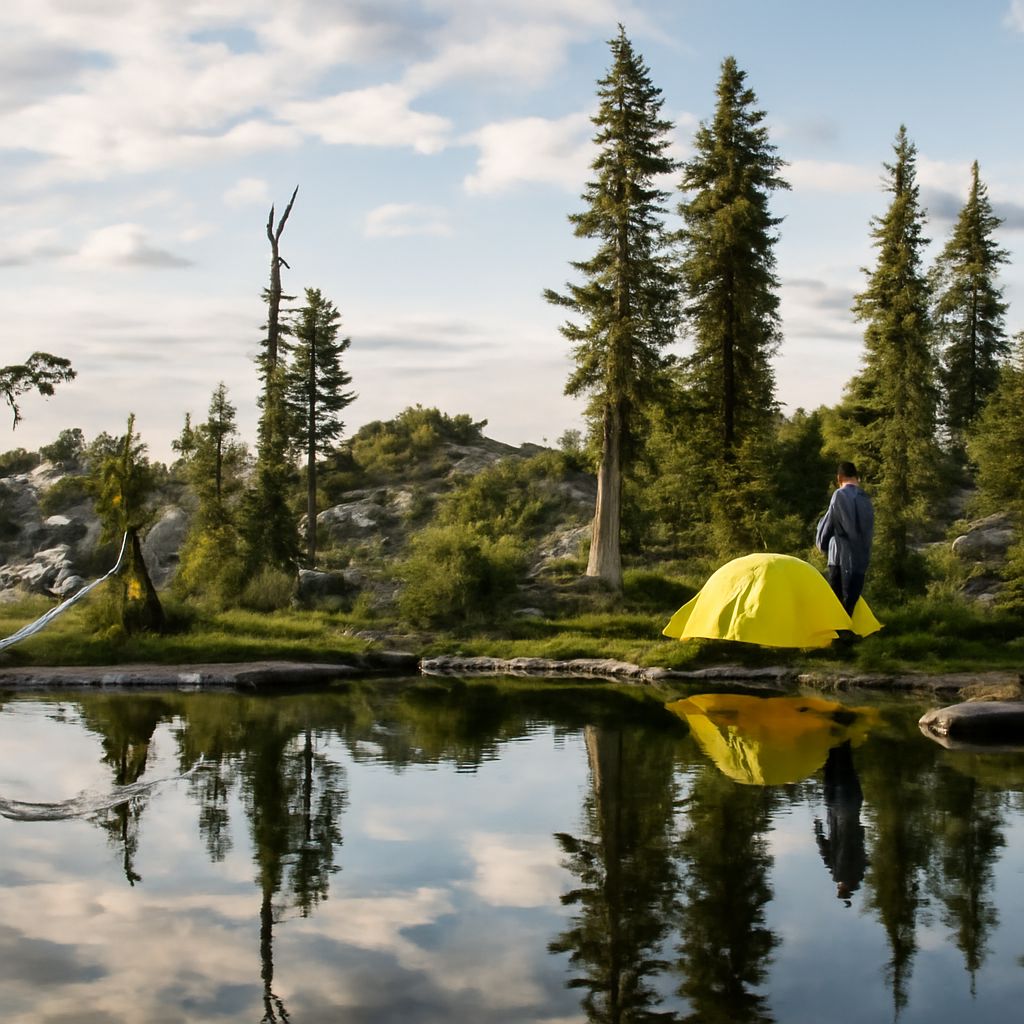
- Camping Regulations: Camp at least 100 feet from lakes, streams, and trails. Use established campsites where possible to minimize your impact. Practice Leave No Trace principles, including packing out all trash and waste.
- Bear Safety: Food storage regulations are enforced to protect both wildlife and visitors. Bear canisters are strongly recommended, and all scented items must be secured at night and when unattended.
It is also important to check trail conditions, weather forecasts, and any temporary restrictions before your trip. Trailhead parking can fill early, so arrive well before your planned start time, especially on weekends and holidays.
Finally, review your route and itinerary with all group members, carry a paper map and compass or GPS, and let someone at home know your plans. By following permit requirements and wilderness regulations, visitors contribute to the ongoing preservation of this extraordinary backcountry area.