The John Muir Trail (JMT) stands as one of America’s most iconic long-distance hiking trails, celebrated for its breathtaking scenery and diverse terrain. Spanning a substantial portion of the Sierra Nevada mountain range, the trail offers a rewarding adventure for seasoned hikers and outdoor enthusiasts.
Understanding the John Muir Trail
The John Muir Trail is named after the renowned naturalist John Muir, who was instrumental in the establishment of national parks. This trail, revered for its natural beauty, runs through California’s Sierra Nevada mountains, traversing three national parks: Yosemite, Kings Canyon, and Sequoia.
Length and Key Sections of the Trail
The John Muir Trail length is approximately 211 miles, beginning at Yosemite Valley and ending at the summit of Mount Whitney, the highest peak in the contiguous United States. While 211 miles is the standard distance, hikers often cover an additional 11 miles to descend to Whitney Portal.
Key sections of the trail include:
- Yosemite Valley to Tuolumne Meadows: This segment offers stunning views of granite cliffs and lush meadows.
- Tuolumne Meadows to Red’s Meadow: Notable for its volcanic landscapes and hot springs.
- Red’s Meadow to Muir Trail Ranch: Known for its challenging ascents and pristine alpine lakes.
- Muir Trail Ranch to Mount Whitney: The final stretch encompasses rugged high-altitude terrain and ends at the highest point of the trail.
Essential Planning Tips for Hikers
Proper planning is crucial for a successful JMT hike. Here are some tips:
- Permits: Secure a wilderness permit well in advance, as they are required and highly competitive.
- Timing: The ideal hiking season is from July to September when the snow has melted.
- Food and Supplies: Plan resupply points at locations like Red’s Meadow and Muir Trail Ranch.
- Fitness: Prepare physically for the strenuous terrain and high altitudes by engaging in regular cardiovascular and strength training.
Highlights and Must-See Spots
The John Muir Trail is dotted with breathtaking landscapes and must-see spots:
- Half Dome: A detour to this iconic granite dome offers panoramic views of Yosemite Valley.
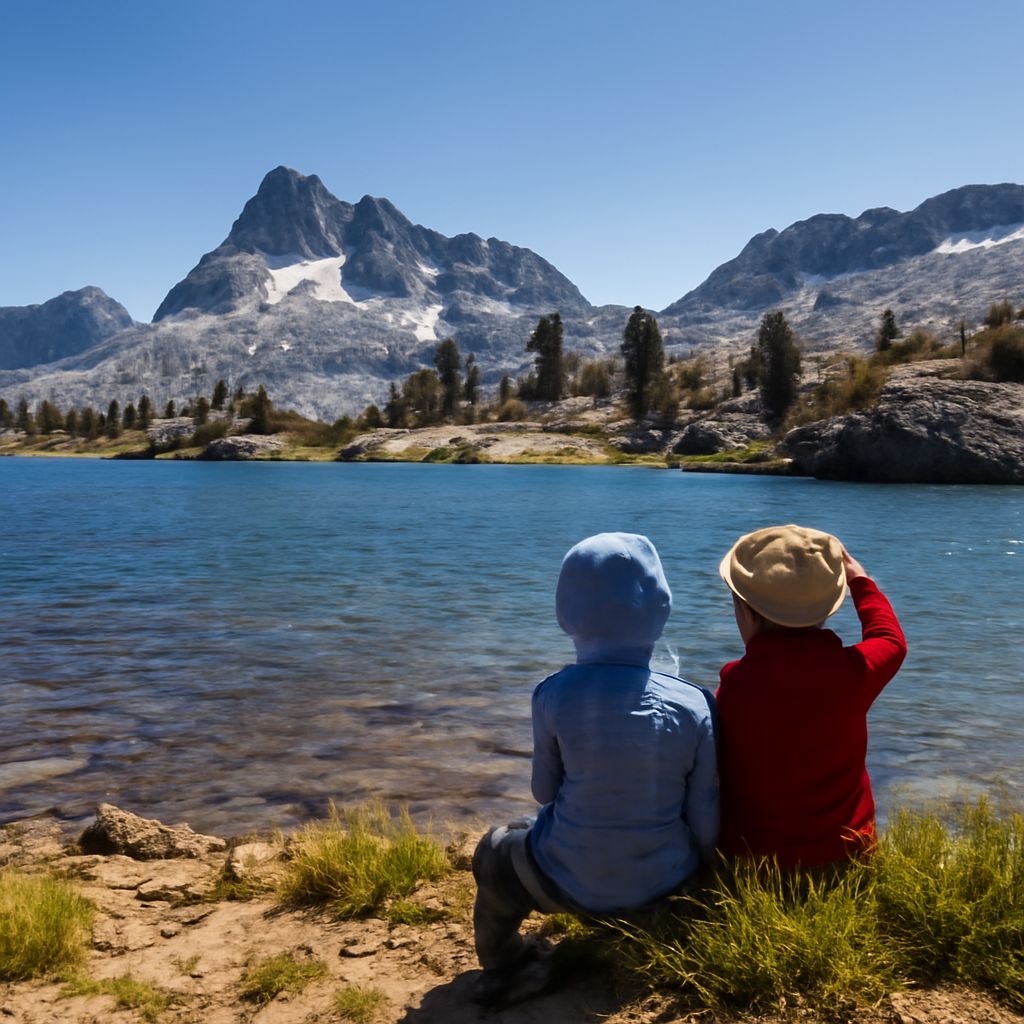
- Thousand Island Lake: Known for its picturesque setting with Banner Peak in the backdrop.
- Evolution Valley: Offers serene meadows and stunning vistas of the surrounding peaks.
- Mount Whitney: Concluding the trail, the summit provides a rewarding and awe-inspiring view.
Preparing for Your Adventure
Preparation is key to tackling the John Muir Trail. Equip yourself with appropriate gear, including a durable tent, sleeping bag, and backpack suitable for long hikes. Navigation tools such as maps and GPS devices are essential, given the remote nature of the trail. Finally, ensure you have adequate clothing layers to handle variable weather conditions.
With careful planning and preparation, the John Muir Trail offers an unforgettable journey through some of the most stunning landscapes in the United States.