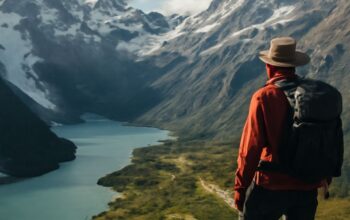
Great Smoky Mountains National Park offers a myriad of hiking opportunities for enthusiasts of all skill levels. Known for its breathtaking landscapes, diverse ecosystems, and historical landmarks, the park features some of the most captivating trails in North America. This guide explores top trails, planning essentials, safety tips, and the best seasons for hiking the Smoky Mountains, ensuring a memorable adventure.
Top Trails in the Smoky Mountains
Hiking the Great Smoky Mountains National Park presents a wide range of trails, from leisurely walks to challenging backcountry routes. Here are some must-visit trails:
- Alum Cave Trail: This 5-mile round-trip trail leads to the stunning Alum Cave Bluffs. The path is known for its rich geological formations and panoramic views, making it a favorite for hikers.
- Charlies Bunion: Accessible via the Appalachian Trail, this 8-mile hike rewards trekkers with breathtaking vistas of the Smokies. It’s an excellent choice for those seeking a moderate challenge.
- Andrews Bald: A 3.5-mile hike from Clingmans Dome, Andrews Bald offers spectacular views of the surrounding mountains and vibrant wildflowers during spring and summer.
- Chimney Tops Trail: Despite its short 4-mile round-trip distance, this trail is steep and demanding, but the view from the top is well worth the effort.
- Rainbow Falls Trail: A challenging 5.4-mile hike leading to the park’s tallest waterfall, Rainbow Falls, known for its enchanting mist and vibrant rainbows on sunny days.
Planning Your Hike in the Great Smoky Mountains
Proper planning enhances the hiking experience in the Smoky Mountains. Consider these essential tips:
- Research Trails: Evaluate trail difficulty, length, and points of interest to choose routes that match your fitness level and interests.
- Check Weather: Weather in the Smokies can change rapidly. Check forecasts and plan accordingly, especially during transitional seasons.
- Pack Wisely: Essential items include water, snacks, a map, a first-aid kit, and appropriate clothing. Layered clothing is recommended due to fluctuating temperatures.
- Permits: Some trails require permits, especially for backcountry camping. Ensure all necessary documentation is secured in advance.
Safety Tips for Hiking the Smokies
Safety is paramount when hiking in the Smoky Mountains. Keep these safety guidelines in mind:
- Stay on Marked Trails: Straying from marked paths can lead to getting lost or damaging sensitive ecosystems.
- Wildlife Awareness: The park is home to black bears and other wildlife. Maintain a safe distance and store food securely.
- Hydration and Nutrition: Regularly consume water and snacks to maintain energy levels and prevent dehydration.
- Emergency Preparedness: Carry a whistle, flashlight, and fully charged phone for emergencies. Inform someone of your plans and expected return time.
Best Seasons for Hiking in the Smoky Mountains
The Smoky Mountains offer unique beauty in every season, but specific times of the year enhance the hiking experience:
- Spring: Blooming wildflowers and mild temperatures make spring ideal for hiking. It’s a perfect time to explore trails like Andrews Bald.
- Summer: Warmer weather allows for longer hikes. Although busy, early mornings or weekdays often provide quieter experiences.
- Fall: Renowned for its vibrant foliage, fall attracts leaf-peepers from all over. Consider trails like Charlies Bunion for expansive views.
- Winter: While some trails may be icy, winter offers solitude and serene snow-covered landscapes. Proper gear is essential for winter hiking.
Exploring smoky mountain trails offers unforgettable experiences for every hiker. Whether seeking scenic views or challenging paths, the Great Smoky Mountains National Park presents diverse opportunities for adventure. Plan well, stay safe, and immerse yourself in the natural splendor of the Smokies.