You pause beside a flowering shrub on a forest walk and watch a bee disappear into one blossom, then emerge dusted with yellow. A few days later, you wonder whether that visit will become a fruit. To understand what pollination means and how pollen transfer works, follow those tiny grains from one part of a flower to another.
How does pollination work in a flower?
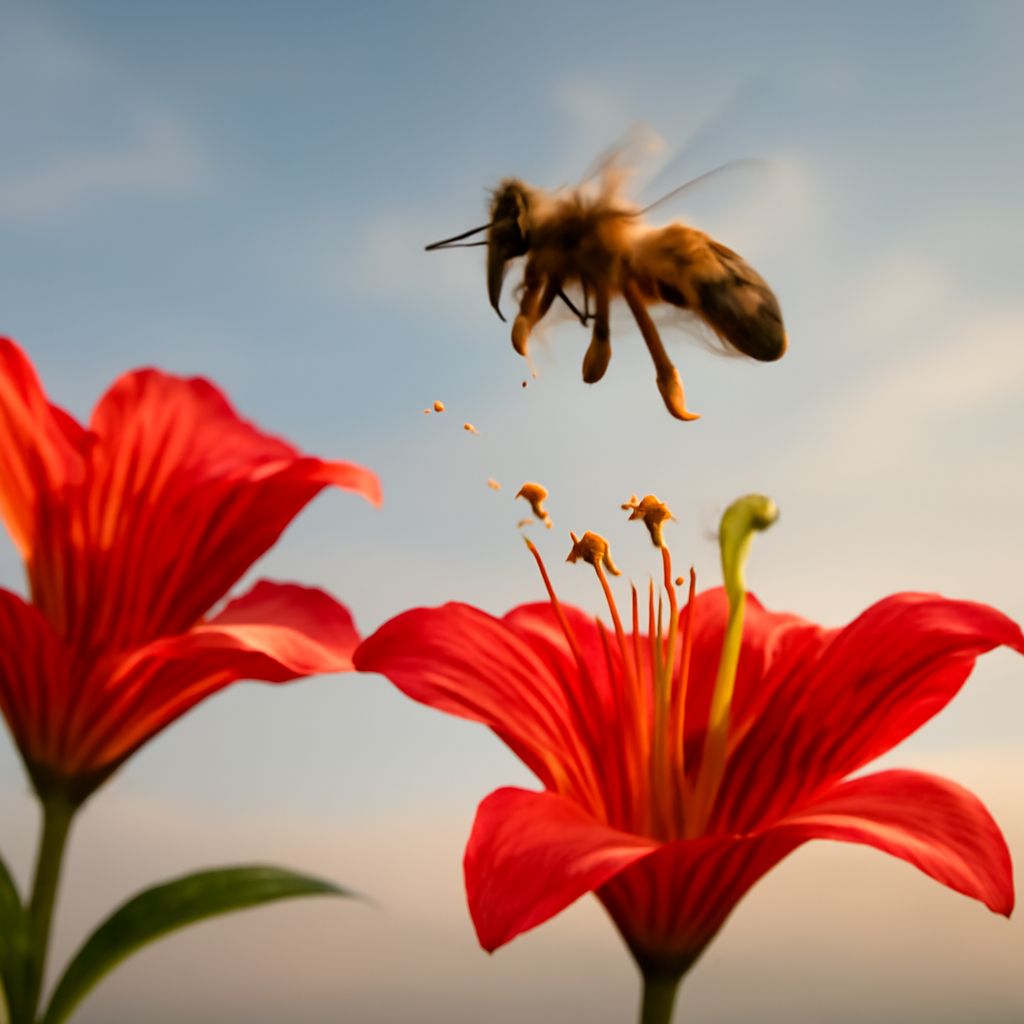
Pollination is the transfer of pollen from an anther, the pollen-producing part of a flower, to a stigma, the surface that receives it. The transfer may happen within one flower, between flowers on the same plant, or between flowers on different plants of the same species. The US Forest Service calls the first two forms self-pollination and the last cross-pollination.
A bee collecting nectar may brush against an anther and pick up grains on its body. At another flower, some of those grains may touch the stigma. How pollen transfer happens can vary: wind can carry grains too, without an animal visiting the flower. The receiving surface must be ready, and the pollen must be compatible, for the next stages to proceed.
What is pollination, then, in practical terms? The meaning of pollination is the delivery step in a flowering plant’s reproduction. It moves pollen to the place where it can begin the journey toward an ovule; it is not itself the joining of reproductive cells. That difference helps explain why a busy blossom does not always produce a ripe fruit.
What happens after the pollen lands?
If a compatible pollen grain lands on a receptive stigma, it can germinate. It grows a tiny pollen tube down through the style, the tissue connecting the stigma to the ovary. The tube carries sperm cells toward an ovule inside the ovary. Fertilization occurs when a sperm cell joins an egg cell in the ovule. The Forest Service’s glossary explains the roles of the stigma and style.
After successful fertilization and development, an ovule can become a seed, while the ovary can develop into a fruit. Think of a tomato: the fleshy part develops around its seeds. Different flowering plants package their seeds in different ways, from juicy fruits to dry pods or nuts. The pollination process starts the sequence, but pollen transfer, fertilization, and fruit development are separate stages.
Not every plant follows the familiar flower-and-fruit pattern. Conifers, for example, produce seeds in cones rather than fruits. The Forest Service’s description of southwestern white pine explains that wind carries its pollen to seed cones. The anther-to-stigma explanation above applies to flowering plants; it should not be forced onto a pine cone.
Wind and animals take different routes
In a stand of grasses, wind can lift pollen from exposed flower parts and carry it toward other flowers. Much of that airborne pollen never reaches a suitable destination, but a grain that lands on a receptive stigma can begin the next stage. Wind is the carrier; it does not need a reward or a reason to visit.
Animal pollinators include bees, butterflies, moths, flies, beetles, birds, and some bats. They visit flowers for resources such as nectar or pollen. If their bodies contact the reproductive parts, they can pick up and deposit grains as they move. The arrangement of a flower and the visitor’s size and behavior affect whether that contact happens.
In a forest, the work can happen high in a flowering tree or close to the ground among understory plants. The Forest Service describes bunchberry dogwood, a forest understory plant visited by bees and flies, as insect-pollinated and self-incompatible. That example shows how a plant can rely on visitors carrying suitable pollen from another plant. It also gives you a reason to look beyond the showiest flowers at eye level.
Why a visit may not produce fruit
A flower visitor may take nectar without touching anthers or stigma. Even if it deposits pollen, the grains might come from the wrong species, be incompatible, or arrive when the stigma is no longer receptive. Some plants accept their own pollen; others need compatible pollen from a different individual. Timing and identity matter as much as the presence of wings.
A plant can also lose flowers or young fruit after pollination. Weather, damage, or limited resources can interfere with later development. In USDA research on blowout penstemon, the flowers required pollen from another plant, and one flower visitor carried little pollen. A visit was therefore an observation to investigate, not proof that effective transfer had taken place.
What does pollination do for the plant? It places pollen where the reproductive sequence can continue. Whether the result is a seed or a mature fruit depends on what happens after that delivery and on the plant’s circumstances.
What to watch on a forest walk
Choose one flower and stay a few steps back. Notice where its anthers and stigma sit, then watch how a visitor approaches. Does it brush against the center, crawl along a petal, or reach nectar from the side? You may see powder on its body, although the grains are often too small to identify without magnification.
To understand the process of pollination, record the flower, visitor, time, and behavior. Return later to see whether a fruit develops, and remember that other visitors or wind may have reached the same flower between observations. Watching pollination in plants connects a brief encounter to a longer story of fertilization, seeds, and the animals that may eventually eat or carry those seeds away.