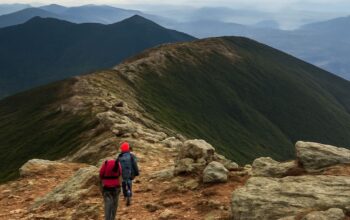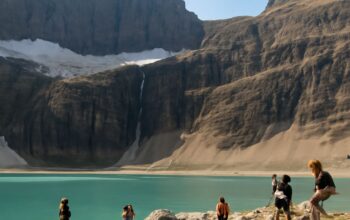
The Continental Divide Trail (CDT) is a premier long-distance hiking route in the United States, stretching approximately 3,100 miles from the Mexican border in New Mexico to the Canadian border in Montana. This trail offers a challenging yet rewarding adventure, traversing diverse landscapes that include deserts, forests, and mountainous terrains. Whether you’re a seasoned backpacker or a novice planning your first long-distance hike, understanding the nuances of the CDT can enhance your journey significantly.
Understanding the Continental Divide Trail
The Continental Divide Trail is one of the most iconic hiking trails in North America and forms part of the Triple Crown of long-distance hiking, along with the Appalachian Trail and the Pacific Crest Trail. It follows the Continental Divide, a natural boundary that separates the river systems flowing into the Pacific Ocean from those flowing into the Atlantic and Arctic Oceans. The trail traverses five U.S. states: New Mexico, Colorado, Wyoming, Idaho, and Montana, offering hikers the chance to experience a wide range of ecosystems and wildlife.
Choosing the Right Route for Your Hike
Deciding on your starting point and the section of the CDT to hike is crucial when planning your adventure. Some hikers choose to tackle the entire trail in one season, while others prefer shorter sections. Southbound hikers typically start in June, while northbound hikers begin in late April or early May. Each section of the CDT offers unique challenges and highlights: New Mexico’s desert landscapes, Colorado’s rugged peaks, Wyoming’s windswept plains, Idaho’s river valleys, and Montana’s remote wilderness. Consider your skill level, time availability, and personal interests when selecting your route.
Essential Gear for the CDT Trail
Successfully hiking the CDT requires careful preparation and the right gear. A durable backpack, high-quality tent, and sleeping bag appropriate for varying weather conditions are fundamental. Hiking boots with good ankle support and traction are essential for navigating rocky terrains. Other critical gear includes a water filtration system, a reliable navigation tool like GPS or maps, and layers of clothing suitable for both hot desert climates and cold mountain environments. Additionally, packing lightweight, high-calorie food is vital for maintaining energy on long hiking days.
Safety Tips for a Successful Journey
Safety is paramount when hiking the CDT. Prior to your trip, familiarize yourself with the trail’s hazards, such as wildlife encounters and rapid weather changes. Always inform someone about your itinerary and estimated return date. Carry a first-aid kit and know basic wilderness first aid. Be bear-aware in regions inhabited by grizzlies, and practice Leave No Trace principles to minimize your environmental impact. Staying hydrated and well-nourished is crucial, as is being prepared to adapt your plans if conditions become unsafe. By following these guidelines, you can enjoy a safer and more fulfilling CDT experience.