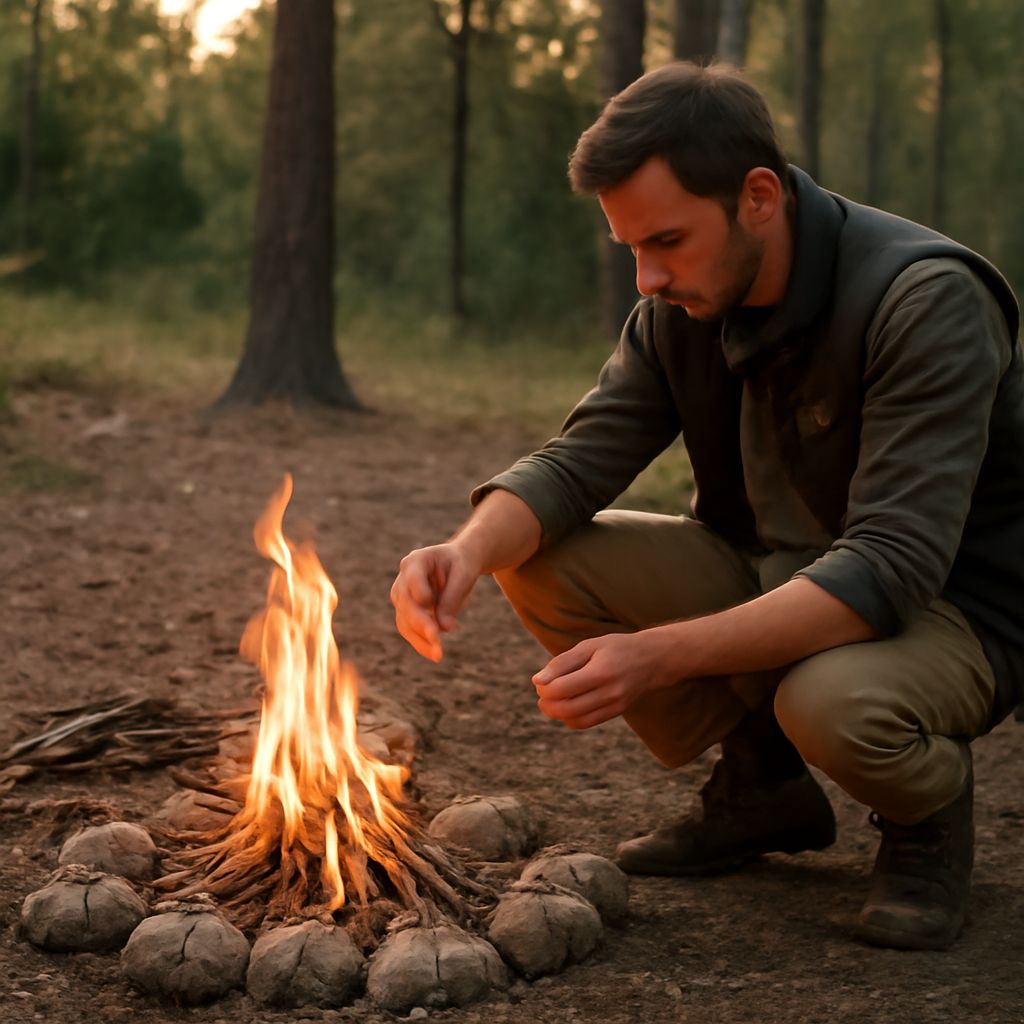
Building a campfire is a fundamental skill for any outdoor enthusiast. Whether you’re camping in the wilderness or enjoying a night in your backyard, knowing how to build a campfire safely and effectively is crucial. This guide offers step-by-step instructions on gathering materials, arranging logs, lighting the fire, and ensuring it is properly maintained and extinguished.
Gathering Materials for Your Campfire
To build a successful campfire, start by gathering the necessary materials. You will need tinder, kindling, and fuel wood.
- Tinder: This is the easiest material to ignite and helps start your fire. Common options include dry leaves, grass, and bark shavings.
- Kindling: These small sticks or twigs aid in transferring the fire from the tinder to the larger logs. They should be dry and about the thickness of a pencil.
- Fuel Wood: Larger logs that maintain the fire. Choose dry, seasoned wood to ensure a steady burn.
Arranging the Logs for Optimal Burning
Properly arranging your campfire logs is key to a successful fire. Two popular methods include the teepee and the log cabin arrangement.
- Teepee: Arrange your kindling in a cone shape around the tinder, leaving space for air to circulate. This method is ideal for quick ignition and a hotter fire.
- Log Cabin: Stack two logs parallel on the ground and place two more on top, perpendicular to the first pair. Continue layering smaller logs around the tinder and kindling. This provides a longer-lasting, even burn.
Lighting Your Campfire Safely
Once your campfire is set up, safely ignite it using a match or lighter. Position yourself upwind to avoid smoke, and gently light the tinder. Blow softly at the base of the fire to supply oxygen.
For added safety, have a bucket of water, sand, or a fire extinguisher nearby. Avoid using accelerants like gasoline, as they are dangerous and unpredictable.
Maintaining and Extinguishing the Fire
After lighting, maintain your campfire by adding fuel wood as needed. Arrange the logs to keep a steady airflow, and monitor the fire to prevent it from spreading.
When it’s time to extinguish the fire, slowly pour water over the embers, stirring with a stick to ensure all areas are wet. Continue adding water or sand until the hissing sound stops and the embers appear cool to the touch. Always double-check that no embers are still glowing before leaving the site.
Following these steps helps ensure a safe and enjoyable campfire experience. Remember, building a fire not only requires skill but also a commitment to safety and environmental responsibility.