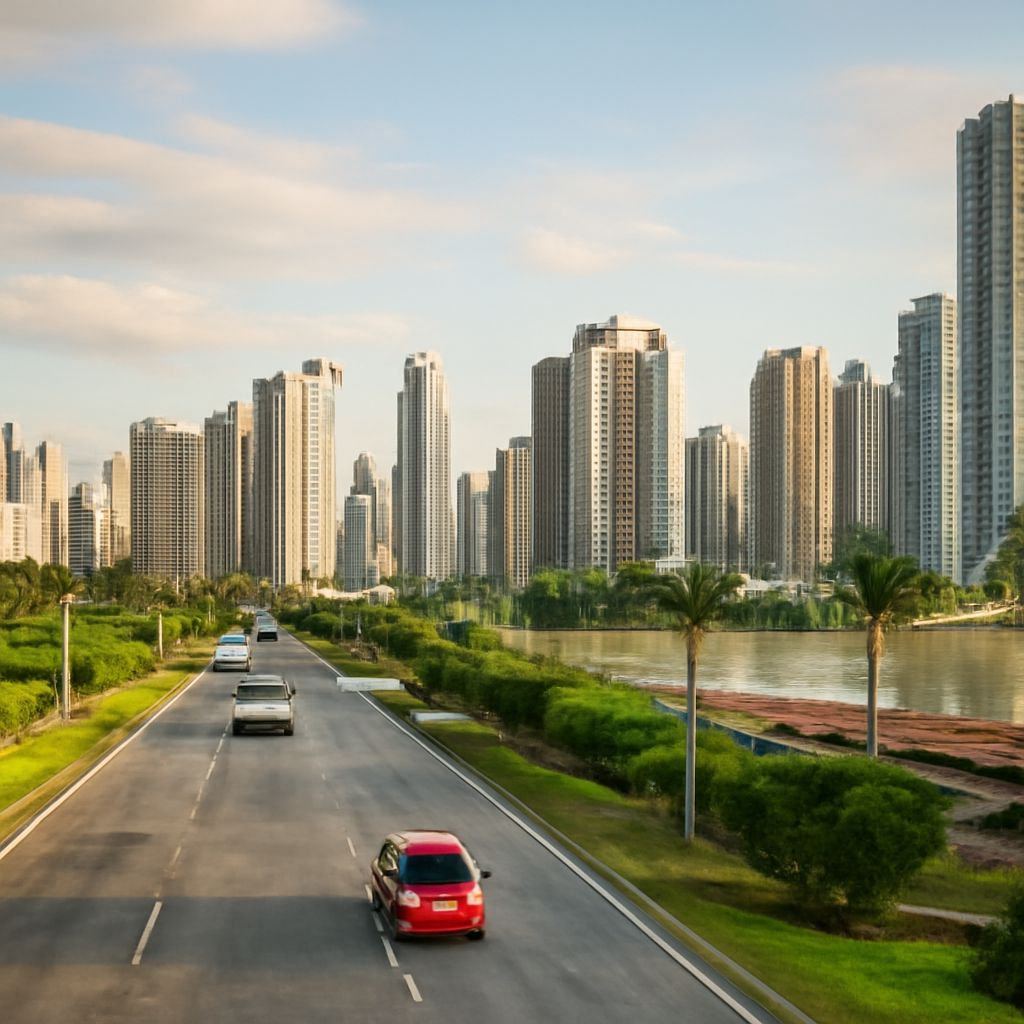
Panama is generally a manageable destination for travelers who use standard urban and outdoor precautions. The practical answer to “how safe is Panama” depends on the destination, time of day, transport method, and activity: a hotel district in Panama City, a remote island, and a border region present different considerations.
This Panama travel guide uses safety and the culture of Panama together. Understanding local expectations helps travelers choose suitable lodging, transport, clothing, food, and activities rather than treating the entire country as one uniform travel environment.
How Safe Is Panama for Travelers? Country Context, Regional Variation, and Situational Risks
Panama has a well-established tourism industry, reliable services in major destinations, and many routes that are straightforward for independent travelers. Petty theft is the most relevant everyday concern in busy areas, on public transport, around nightlife districts, and wherever phones or bags are left unattended. Opportunistic robbery can occur, particularly after dark or in isolated places.
Risk varies considerably by location. Panama City has secure, highly visited areas such as parts of Punta Pacifica, San Francisco, and Casco Viejo, but it also has neighborhoods where visitors should not walk casually, especially at night. Colón requires extra care in some areas. Remote border zones, including parts of the Darién region, are unsuitable for casual independent travel because of limited services and more serious security concerns. Visitors heading to rural coasts or islands should also expect fewer ATMs, clinics, police resources, and transport alternatives.
Situations matter as much as geography. Nighttime walking on quiet streets, displaying expensive jewelry, accepting unofficial transport, and leaving drinks or belongings unattended all increase exposure. Strong currents, boat transfers, heat, heavy rain, and poorly marked trails create non-criminal risks in coastal and outdoor destinations. Travelers should use registered or reputable transport, keep valuables discreet, stay on established routes, and follow local guidance for swimming, hiking, and boat excursions.
Cultural Context for a Panama Visit: The Culture of Panama, Language, Food, Dress, and Etiquette
The culture of Panama reflects Indigenous, Afro-Caribbean, Spanish, and other international influences. Spanish is the main language, although English is common in tourism, business, and some Caribbean communities. A few Spanish phrases, polite greetings, and patience when communication takes longer can improve service interactions. In Indigenous territories, local rules and community authority take precedence over assumptions based on city travel.
Greetings are usually friendly and respectful. A simple “buenos días” or “buenas tardes” is appropriate when entering a small shop, meeting a host, or addressing someone in a rural setting. Conversations may feel less hurried than in some northern European or North American cultures, so flexible timing is useful. Personal questions can be part of cordial conversation, but visitors should avoid treating communities or traditions as attractions without permission.
Food is an important part of daily travel. Rice, beans, plantains, seafood, soups, and grilled meats appear widely, with regional differences between the capital, highlands, and Caribbean coast. Busy food stalls and restaurants with good turnover are usually practical choices. In remote areas, travelers should ask whether tap water is suitable for drinking and carry bottled or treated water when needed. Dietary restrictions should be explained clearly in Spanish rather than assumed to be understood.
Dress should match the setting. Swimwear belongs at beaches, pools, and boat trips, while lightweight but more modest clothing is appropriate in towns, churches, Indigenous communities, and government buildings. Photos of people, children, ceremonies, and private homes should be requested first. In Guna Yala and other community-managed areas, entrance charges, environmental rules, and restrictions on photography support local authority and should be followed.
Panama Travel Guide: Match Destinations, Transport, and Lodging to Your Comfort Level
A useful Panama travel guide matches each destination with the traveler’s tolerance for crowds, limited infrastructure, and independent movement.
- Panama City: Choose a well-reviewed hotel in a known district, use reputable taxis or ride services, and plan evening transport in advance. Casco Viejo, the Canal area, and modern business districts are convenient bases, but boundaries between comfortable visitor areas and higher-risk streets can be sharp.
- Boquete and the highlands: Cooler weather and organized hiking suit travelers who prefer a slower pace. Trails still require proper footwear, weather awareness, and a guide for unfamiliar or remote routes.
- Bocas del Toro and Caribbean islands: Island travel involves water taxis, uneven walkways, and fewer late-night services. Keep luggage compact, confirm the last boat, and use accommodation recommendations for transport after dark.
- Guna Yala, Santa Catalina, and rural coasts: These areas reward travelers who accept basic lodging, limited connectivity, and community rules. Confirm permits, transfers, payment methods, and weather-dependent schedules before departure.
Public buses and domestic flights connect major areas, while boats are essential for many islands. Rental cars can help in the highlands but are less convenient in dense Panama City and require caution on unfamiliar roads. Daylight arrivals, secure luggage storage, and lodging with controlled access reduce avoidable problems.
Plan the Trip From Both Perspectives: A Practical Safety-and-Culture Checklist
- Choose the route: Group major city sights, nature areas, and islands according to realistic transfer times. Avoid arriving late before a remote boat or mountain connection.
- Prepare communication: Save accommodation addresses in Spanish, download offline maps, learn basic travel phrases, and keep emergency contacts accessible. Panama’s emergency number is 911.
- Handle money carefully: Carry small amounts of cash for buses, boats, local food, and rural lodging, while keeping backup funds separately. Do not display large amounts in crowded places.
- Pack for the setting: Include breathable modest clothing, rain protection, insect repellent, secure footwear, and a dry bag for boat transfers. Bring only valuables that the itinerary genuinely requires.
- Respect local authority: Follow access rules in Indigenous territories, ask before taking photos, and use local guides for remote trails or community visits.
- Review each day: Check weather and transport conditions, arrange nighttime rides, and tell the lodging host about planned excursions. Small adjustments are especially important where medical care and alternative transport are limited.