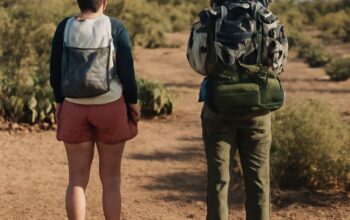
For a first overnight, backpack camping is easiest when the load is built around reliable systems rather than extra comfort items. Shelter, sleep, water, clothing, navigation, light, and basic repairs come before specialty gear. A compact plan should also cover one simple dinner, one breakfast, snacks, and a clear cleanup routine.
The baseline below suits one beginner on a maintained, non-winter route with a reliable water source. Conditions, distance, and local regulations still determine the final clothing, shelter, and water capacity.
Backpack Camping: Pack the Essential First-Night Systems
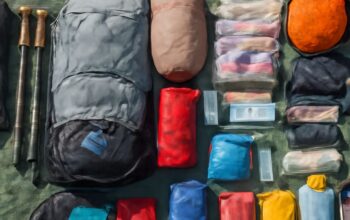
- Shelter: Pack a tent or tarp, rainfly, stakes, guylines, and a groundsheet if the shelter requires one. Confirm that every pole, clip, and stake is present before leaving.
- Sleep: Use a sleeping bag or quilt rated for the expected overnight low, plus an insulated sleeping pad. The pad provides both insulation and cushioning, so its temperature rating matters as much as its thickness.
- Water: Carry at least 2 liters of capacity per person and bring a filter or purifier for planned sources. Add chemical treatment as a backup if the route is remote. Treat water before drinking rather than relying on a clear appearance.
- Clothing: Pack a moisture-managing base layer, insulating layer, rain jacket, spare socks, hat, and gloves when temperatures may fall. Keep sleep clothing dry in a waterproof liner or bag.
- Navigation: Carry a paper map and compass, then add a phone with an offline map if useful. Download the route before departure and keep the phone protected from rain.
- Light: A headlamp with fresh batteries is more useful than a handheld flashlight because it leaves both hands free for cooking, shelter setup, and finding gear. Carry spare batteries or a charged backup light.
- Repair and safety: Include first-aid supplies, blister treatment, duct tape, a short length of cord, spare buckles or zip ties, shelter patches, and a small knife or multitool. Pack a lighter in a waterproof bag even when using an ignition-equipped stove.
Before departure, set up the shelter, inflate the pad, test the stove, and pack the sleeping system in its liner. A first-night load should be easy to identify in the dark: shelter and sleep gear near the bottom, rainwear and light near the top, and water accessible from outside pockets.
Choose Simple Backpacking Meal Ideas
The best backpacking meal ideas for a first trip require boiling water or no cooking at all. For one adult overnight, plan roughly 600 to 900 calories for dinner, 400 to 600 for breakfast, and snacks based on trip length and effort. Pack portions in separate bags so the cooking plan does not depend on measuring in camp.
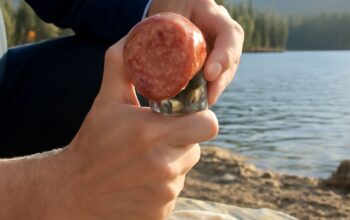
- Dinner: Combine instant rice or couscous with a tuna, chicken, or lentil packet, olive oil, and a seasoning sachet. A dehydrated meal or instant noodles with added protein also works. Choose food that cooks in five minutes or less.
- Breakfast: Use instant oatmeal with powdered milk, nuts, and dried fruit, or eat a tortilla with nut butter. These options require little cleanup and can be eaten while breaking camp.
- Snacks: Divide trail mix, bars, jerky, dried fruit, or crackers into small portions. High-calorie foods with little packaging are easier to reach during the day than a large shared bag.
- Drinks: Pack tea, coffee, or an electrolyte mix only if it fits the group’s routine. Flavoring water can encourage drinking, but it should not replace plain water.
Match the stove and fuel to the menu: a canister stove suits boil-only meals, while a larger system is unnecessary for one overnight. Confirm the fuel canister is compatible and allow enough fuel for boiling dinner, breakfast, and a hot drink, with a small reserve. Cook away from the tent, let food cool before sealing it, and wipe the pot with a small scraper or cloth. Pack out every wrapper, food scrap, and wipe; never bury leftovers.
Choose Backpacking Chairs or a Lighter Seat
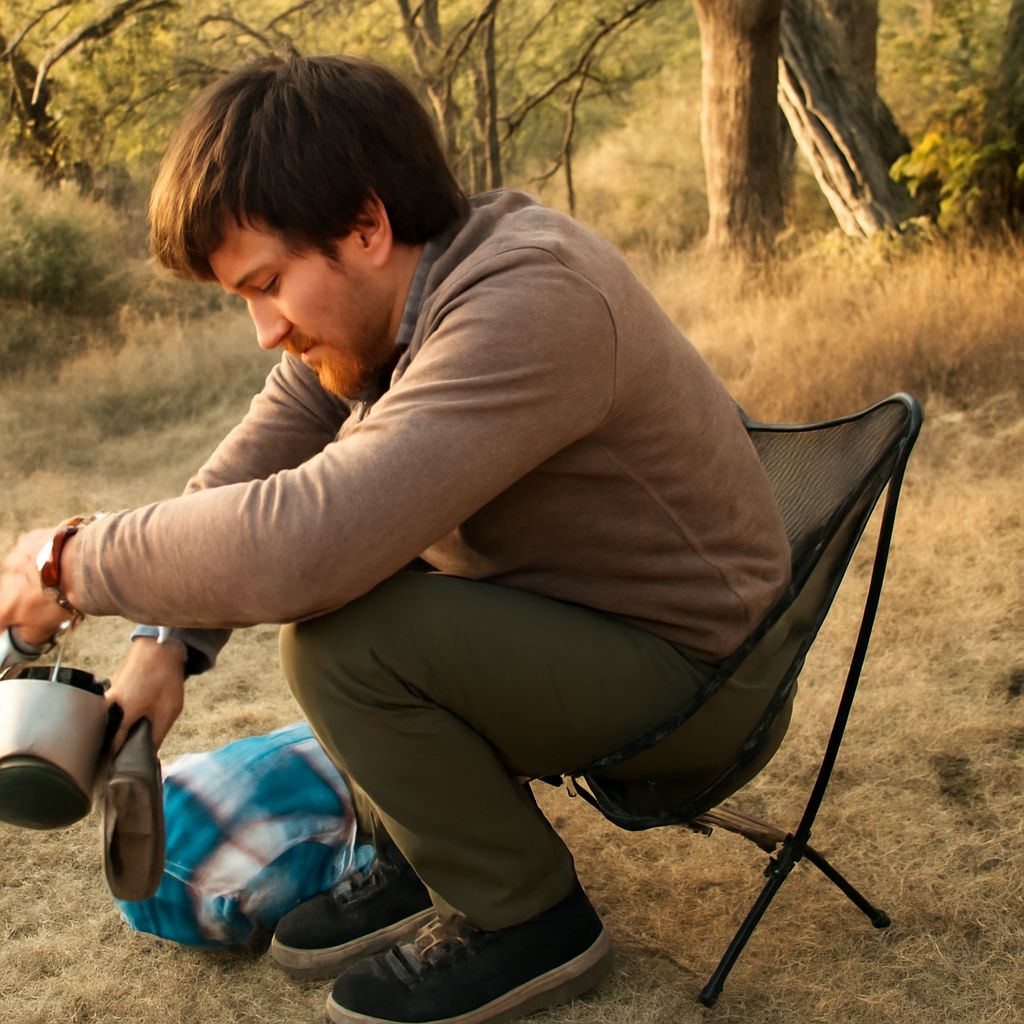
For most beginners, a sit pad is the better default. Backpacking chairs improve comfort and keep the body off wet or uneven ground, but a chair commonly adds about 1 to 2 pounds. A closed-cell foam sit pad often weighs only 2 to 5 ounces and can double as extra insulation under the legs or pad.
- Choose a chair when long evenings at camp are central to the trip, the route is short, or the user needs back support. A compact model such as the Helinox Chair Zero offers a raised seat with a small packed size, but its narrow legs can feel less stable on soft ground.
- Choose a sit pad for a longer hike, rocky campsites, or a strict weight limit. It is stable on more surfaces, sets up instantly, and remains useful during breaks on the trail.
- Choose a hybrid when comfort matters but a full chair does not. A foam pad paired with a backpack seat-back attachment provides support without carrying a separate frame, although it usually lacks a chair’s height and rigidity.
Test the seat on the actual ground before packing it. If the chair’s stability and comfort justify its weight, carry it; otherwise, use the sit pad and reserve the saved capacity for water, warmer sleep gear, or food.