Choosing the best bug repellent for hiking is essential for comfort and safety on the trail, especially when venturing into areas dense with mosquitoes and ticks. For those seeking alternatives to traditional DEET-based products, non DEET bug spray options have become a popular choice, offering strong protection without harsh chemicals. This guide reviews the top non-DEET bug sprays for hiking, highlights the most effective ingredients, and offers practical tips for proper application to ensure optimal bite prevention.
What Makes a Bug Repellent the Best for Hiking?
The best bug repellent for hiking combines long-lasting efficacy, safety, skin compatibility, and ease of application. Hikers need protection that withstands sweat, physical activity, and exposure to water, since many trails pass through humid or wooded environments with high insect activity. A quality bug spray should offer broad-spectrum defense against mosquitoes, ticks, black flies, and other biting insects commonly encountered outdoors.
Another critical factor is user safety, especially for families or those with sensitive skin. Non DEET bug spray options are valued for their lower toxicity and reduced risk of irritation, making them suitable for frequent use and for children when used as directed. Lightweight, non-greasy, and unscented formulas also increase comfort during long hikes, while portable packaging ensures that repellent is easy to reapply as needed on the trail.
Beyond personal comfort, the best products are those that have proven field performance. Hikers often share real-world feedback about how well a repellent works during extended trips or in challenging insect conditions. Products that demonstrate consistent effectiveness in preventing bites and endure under active outdoor use rank highest for hiking applications.
Top Non-DEET Bug Sprays Recommended by Hikers
Several non DEET bug spray brands are consistently recognized by avid hikers and outdoor experts for their performance and reliability. The following products have earned high marks for effectiveness, skin safety, and overall user satisfaction:
- Sawyer Picaridin Insect Repellent – Formulated with 20% picaridin, this spray provides up to 12 hours of protection against mosquitoes and ticks. It is virtually odorless, non-greasy, and safe for use on gear and clothing. Many hikers prefer it for its balance of efficacy and gentle formulation.
- Natrapel Tick & Insect Repellent – Using 20% picaridin, Natrapel offers up to 12 hours of defense against biting insects. This non DEET bug spray is commonly chosen for its convenient pump spray bottle and skin-friendly formula.
- Murphy’s Naturals Lemon Eucalyptus Oil Insect Repellent – This plant-based option uses oil of lemon eucalyptus (OLE) and provides up to 6 hours of mosquito protection. It is especially popular with those seeking a natural scent and is recommended by the CDC as an alternative to DEET repellents.
- Repel Plant-Based Lemon Eucalyptus Insect Repellent – Similar in formulation to Murphy’s Naturals, Repel’s spray is made with 30% oil of lemon eucalyptus and is effective for up to 6 hours. Users note that it absorbs quickly and leaves no sticky residue.
- Ranger Ready Picaridin 20% Spray – Designed for both skin and clothing, Ranger Ready’s spray provides up to 12 hours of mosquito and tick protection, with a mild scent and non-irritating formula suitable for daily use.
Each of these products is widely available online and at outdoor retailers. When evaluating options, consider the duration of your hikes, the types of insects in your area, and individual sensitivities to fragrances or plant-based ingredients.
Key Ingredients to Look for in Non-DEET Bug Sprays
Not all non DEET bug sprays are created equal—ingredient selection greatly influences both efficacy and skin comfort. The two most effective active ingredients commonly found in these repellents are picaridin and oil of lemon eucalyptus. Understanding their strengths can help hikers choose the best product for their needs.
Picaridin is a synthetic compound that closely resembles the natural compound piperine found in black pepper plants. It is highly effective against mosquitoes, ticks, flies, and other biting insects. At concentrations of 20%, picaridin provides protection comparable to 20-30% DEET, but with a lighter feel and virtually no odor. It is suitable for all skin types and safe for use on synthetic clothing and gear.
Oil of Lemon Eucalyptus (OLE), specifically its active ingredient para-menthane-3,8-diol (PMD), is a plant-derived repellent recommended by the CDC as an alternative to DEET. Products with 30% OLE can provide up to 6 hours of protection against mosquitoes. OLE has a fresh citrus scent and is generally well-tolerated, though it may not be suitable for children under three years old.
Other plant-based ingredients, such as citronella, geraniol, and peppermint oil, are found in some natural bug sprays. While these can offer moderate protection, they typically need to be reapplied more often and are less effective in high-infestation areas. Hikers tackling mosquito-dense environments or areas with known tick activity are best served by picaridin or OLE-based products.
How to Apply Bug Repellent for Maximum Protection
Proper application of bug repellent is essential to achieve the intended level of protection, especially when relying on non DEET bug spray during rigorous hiking. Follow these steps for maximum effectiveness:
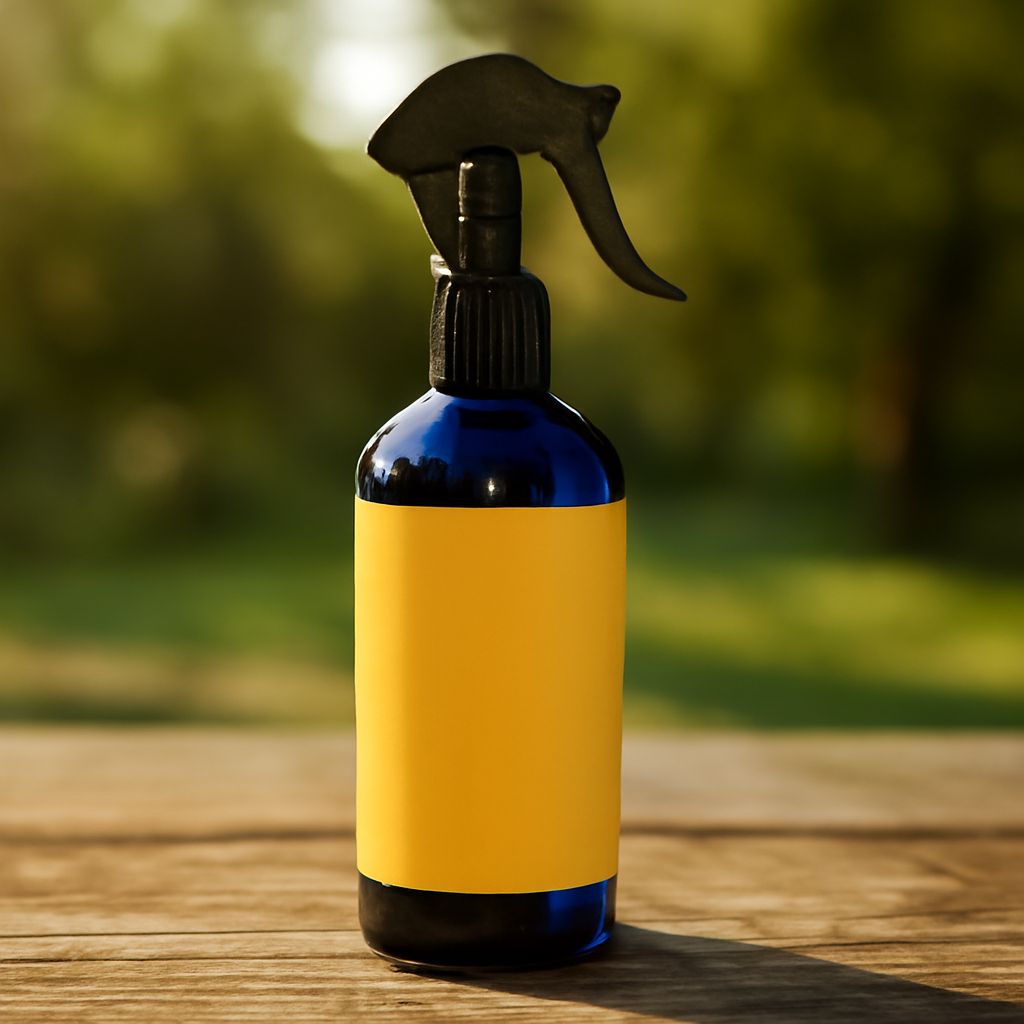
- Apply outdoors or in a well-ventilated area. Hold the spray bottle 4–8 inches from exposed skin and clothing.
- Use enough repellent to cover all exposed skin. For liquids or lotions, spread evenly by hand, making sure not to miss ankles, behind knees, wrists, and neck—areas often targeted by biting insects.
- Avoid spraying directly on the face. Instead, spray on hands first, then apply to the face, avoiding eyes and mouth.
- Don’t apply under clothing, on irritated or broken skin, or on children’s hands or near their mouths and eyes.
- Reapply according to the product instructions, especially after swimming, excessive sweating, or toweling off. Non DEET bug sprays with picaridin or oil of lemon eucalyptus typically need reapplication every 6–12 hours, depending on the formula and conditions.
Washing skin with soap and water after returning indoors removes residual repellent. Clothing can be laundered as usual. For extended hiking trips, bring a travel-sized bottle for convenient reapplication throughout the day. Combine bug repellent with physical barriers, such as long sleeves and pants, for enhanced protection in high-risk areas.