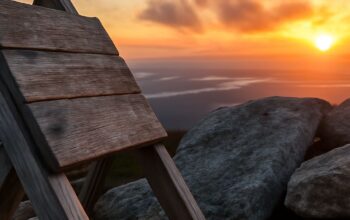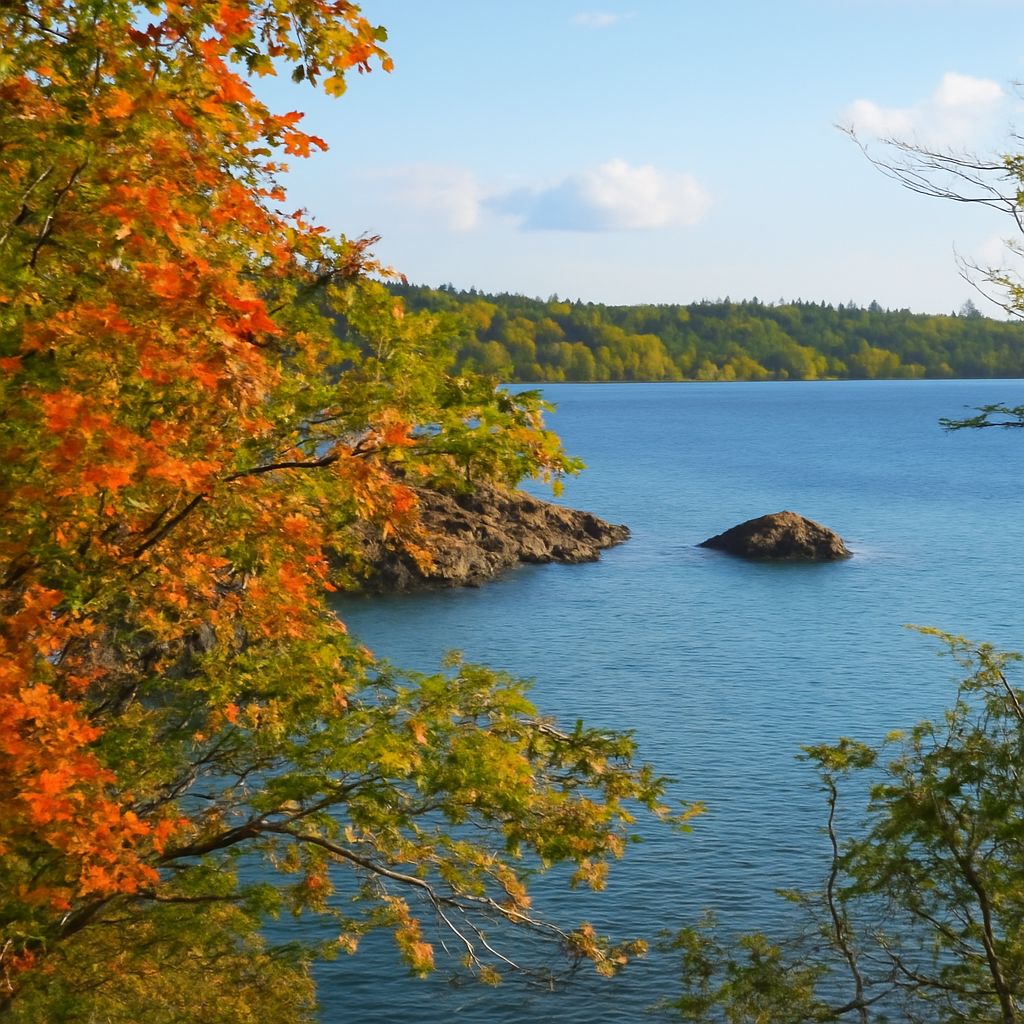
The Superior Hiking Trail, also known as the SHT, offers an incredible adventure for outdoor enthusiasts. Stretching over 310 miles along the rocky ridgeline overlooking Lake Superior, it provides a diverse range of landscapes, from dense forests to open ridges. Whether you’re planning a day hike or a full thru-hike, exploring this trail requires preparation and knowledge.
Introduction to the Superior Hiking Trail
The Superior Hiking Trail is a premier footpath in northeastern Minnesota. Established in the 1980s, the trail extends from the Minnesota-Wisconsin border to the Canadian border, traversing seven state parks. Known for its stunning vistas of Lake Superior, the trail is accessible to hikers of varying skill levels.
Trail Sections and Highlights
The Superior Hiking Trail is divided into several sections, each offering unique scenery and challenges. Popular sections include:
- Duluth Section: This southernmost segment offers urban trails and views of the city and Lake Superior.
- Gooseberry Falls to Split Rock: Known for spectacular waterfalls and rugged terrain, this section is a favorite among hikers.
- Section 13 Cliffs: Offers panoramic views and challenging climbs.
- Grand Marais to the Canadian Border: This remote area showcases pristine wilderness and is ideal for experienced hikers.
Planning Your Hike
Proper planning is essential for a successful hike on the Superior Hiking Trail. Consider the following when organizing your adventure:
- Determine Your Route: Decide whether you’ll tackle the entire trail or select specific sections based on time and skill level.
- Check Trail Conditions: Weather and trail maintenance can affect accessibility. Check current conditions and plan accordingly.
- Permits and Regulations: While no permits are needed for the trail itself, some campsites may require reservations, especially in popular areas.
Essential Gear for the Superior Trail
Having the right gear can make or break your hiking experience on the Superior Hiking Trail. Consider these essentials:
- Footwear: Sturdy hiking boots or shoes with good grip are crucial for navigating rocky and uneven terrain.
- Navigation Tools: A map and compass or a GPS device are essential, as some areas have limited cell service.
- Backpack: Choose a comfortable, durable backpack that can carry your supplies for the duration of your hike.
- Clothing: Wear moisture-wicking layers and bring rain gear to stay comfortable in changing weather conditions.
- Water and Nutrition: Pack sufficient water and high-energy snacks to keep hydrated and fueled.
Safety Tips and Best Practices
Safety is paramount when hiking the Superior Hiking Trail. Follow these tips to ensure a safe journey:
- Inform Others: Always let someone know your plans, including your route and expected return time.
- Be Weather Aware: Weather can change rapidly. Monitor forecasts and be prepared to adjust plans as needed.
- Wildlife Precautions: Bears and other wildlife inhabit the area. Store food properly and know what to do in an encounter.
- Leave No Trace: Practice Leave No Trace principles to preserve the natural beauty of the trail.