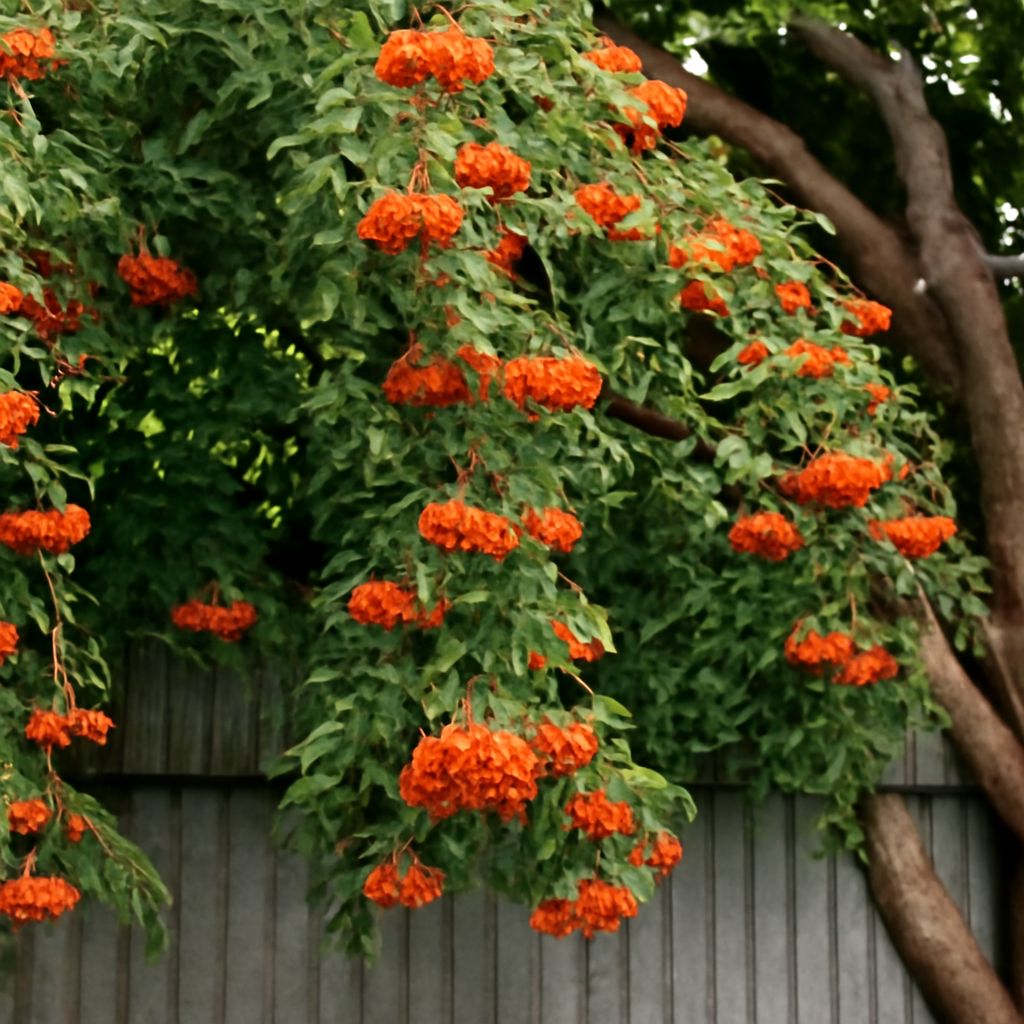
Look for a feather-like leaf, clusters of small white flowers, and bunches of orange-red fruit: together, these features can point you toward a tree called rowan. They are especially helpful when you are comparing trees known as rowans on a cool woodland walk.
A closer look at the leaves and location will help you distinguish likely candidates. The name covers several species, and the red fruit that catches your eye is only one piece of the puzzle.
Rowan trees: a field guide to the details
A rowan tree is usually a small deciduous tree, sometimes growing as a shrub in exposed places. The crown of a tree of this rowan species can look light and open because each leaf is divided into many narrow leaflets. European rowan, Sorbus aucuparia, belongs to the rose family, a connection that makes more sense once you look closely at its flowers and fruit.
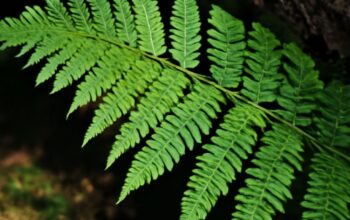
Start with a branch at eye level. On European rowan, each compound leaf has pairs of toothed leaflets and one at the tip. The leaflets sit along a central stalk, like the barbs of a feather. The entire structure is one leaf; what looks at first like a row of little leaves consists of its leaflets.
In spring, look for broad clusters of small, creamy-white flowers. Later, they give way to dense bunches of fruit that ripen orange to red. The fruit resembles a berry, but botanically it is a small pome, related in structure to an apple. In fall, leaves can turn warm shades of yellow and red, while fruit may remain after the foliage has dropped.
Bark offers another clue: young European specimens typically have smooth, grayish bark, which becomes rougher with age. No single feature is a foolproof label, so bring the leaves, flower or fruit clusters, and setting together before making your identification. The Woodland Trust’s species guide has photographs for comparison.
Which species are you looking at?
European rowan is native across much of Europe and parts of western Asia. It grows in woods and on hillsides, including exposed upland ground. A rowan plant can be particularly conspicuous above the surrounding vegetation when its fruit colors in late summer and fall.
In North America, the American mountain ash, Sorbus americana, is a related native species. Its range includes northeastern North America and extends south along the Appalachian Mountains. It also has compound leaves, white flower clusters, and red fruit, so the family resemblance is strong. The US Forest Service species review describes its range and habitats, including cool woods and forest openings.
These rowan specimens can be hard to separate from a quick photograph. American mountain ash typically has narrow, pointed leaflets, while European rowan has toothed leaflets that can be less tapered. Leaf shape varies, and planted European specimens can occur beyond their native range. For a confident species identification, compare several leaves and fruit with a regional field guide, and consider whether the tree is wild or part of a planting.
The common name mountain ash also invites a mix-up with true ash trees. True ashes belong to the genus Fraxinus and have opposite buds and leaves on a twig; rowans have alternate leaves. Look at the twig itself, not just the pairs of leaflets within one compound leaf. That small distinction can save you a very earnest argument with a branch.
Fruit, birds, and a busy woodland
A rowan’s fruit is a useful autumn sign for people and a food source for wildlife. Birds eat the fruit and can carry seeds away from the parent plant. Flowers also attract pollinating insects, making the tree valuable at different points in the season.
If you want to observe rowan trees through the year, revisit the same branch of one plant: photograph the emerging leaves, the flower clusters, then the changing fruit. Note the date and the surrounding habitat. A winter twig can be much harder to recognize on its own, but a sequence of observations gives it a familiar shape.
Leave wild fruit for wildlife unless you have identified the species and know the local rules and preparation requirements. Similar-looking red fruits grow on other plants, and appearance alone is a poor menu.
Folklore rooted in a particular place
In Scottish tradition, the rowan tree, Sorbus aucuparia, was associated with protection, and people planted it near homes or carried pieces of its wood. Trees for Life describes how people carried pieces of the wood against witchcraft and made protective crosses bound with red thread. These beliefs belong to a cultural history: they tell us what people valued and feared, not what the wood can physically do.
Irish storytelling gives the same species a different role. In the tale of Diarmuid and Gráinne, a magical rowan at Dubhros bears extraordinary fruit; University College Cork’s account describes the story and its promise of sustenance and long life. Rowan tree mythology is most interesting when the place and species remain attached to the tale, rather than being folded into one vague legend.
Could you find one in Panama?
European rowan is a temperate species, and its natural range does not include Panama. On a trail around Santa Fe, a tree with red fruit and divided leaves deserves a local identification rather than a European label. Photograph the whole plant, a twig, and both sides of a leaf, then compare them with a Panamanian field guide or ask a local naturalist. If you encounter a plant called rowan elsewhere, a label naming the species can help separate an ornamental rowan from a native look-alike.