Hiking the Grand Canyon rim to rim is an unforgettable experience that draws adventurers from around the globe. This challenging trek takes hikers through diverse terrains, offering spectacular views and a sense of accomplishment upon completion. Proper planning is essential for a successful journey, including choosing the right route, preparing physically, and ensuring you have the necessary gear.
Understanding the Rim to Rim Hike
The Grand Canyon rim to rim hike typically involves traversing from the North Rim to the South Rim or vice versa. The most popular routes are the North Kaibab Trail on the North Rim and the Bright Angel or South Kaibab Trails on the South Rim. The total distance varies but averages around 21 to 24 miles, depending on the chosen paths. This hike is demanding and requires careful preparation to handle the elevation changes, varying temperatures, and rugged terrain.
Choosing Your Route
When planning your rim to rim Grand Canyon hike, selecting the right route is crucial. The North Kaibab Trail is the primary path descending from the North Rim, covering approximately 14 miles to the Colorado River. From there, hikers can choose either the Bright Angel Trail, about 9.5 miles, or the shorter South Kaibab Trail, about 7 miles, to ascend to the South Rim. The Bright Angel Trail offers water stations and more shade, making it a popular choice for those seeking a slightly less strenuous climb. Conversely, the South Kaibab Trail provides stunning panoramic views but lacks water sources, requiring careful planning.
Preparing for the Hike
Training and Fitness
Physical preparation is vital for tackling the Grand Canyon rim to rim hike. Training should start several months in advance, focusing on building stamina, strength, and endurance. Practice hikes on similar terrains with a loaded backpack can help acclimate your body to the conditions. Cardiovascular exercises such as running, cycling, or swimming can also boost fitness levels.
Packing Essential Gear
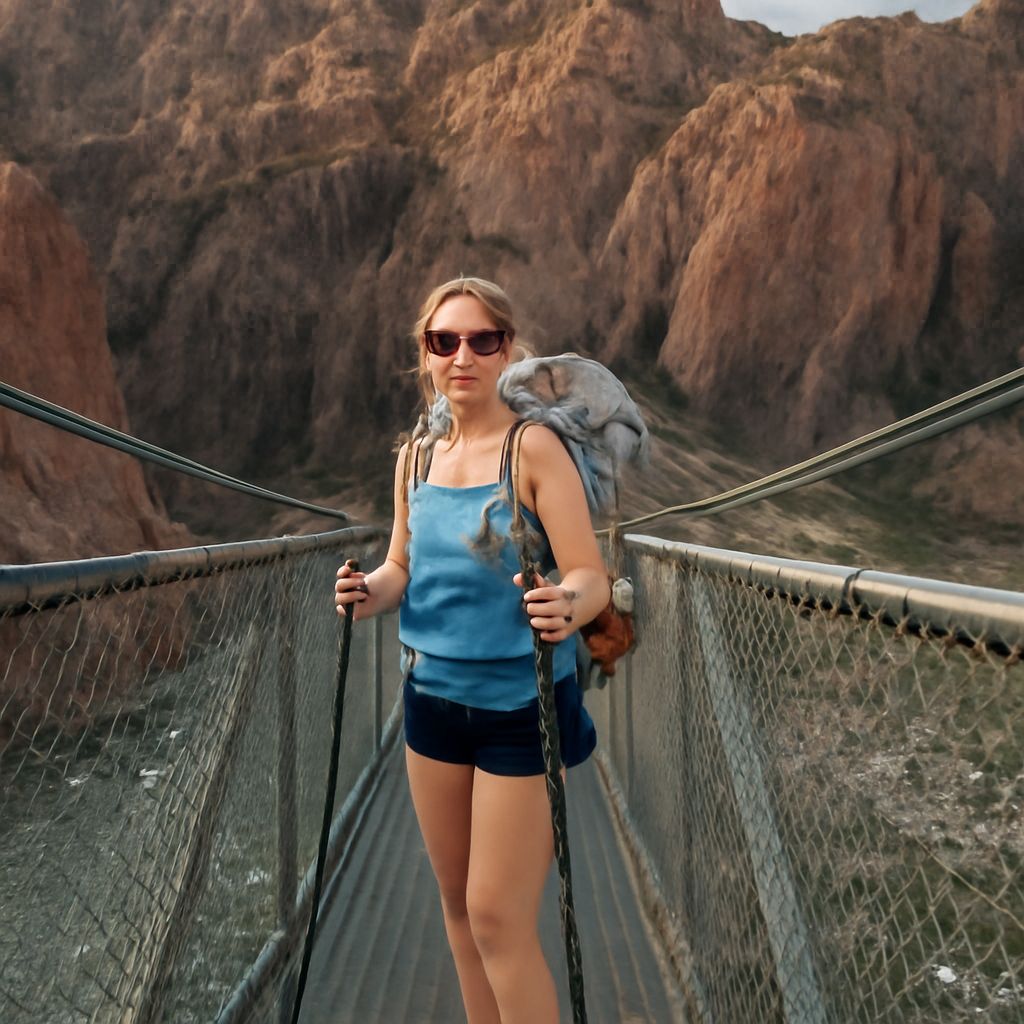
Bringing the right equipment is essential for a safe and enjoyable hike. Key items include a well-fitted backpack, sturdy hiking boots, and moisture-wicking clothing to manage temperature fluctuations. Hydration systems are critical, so carry sufficient water or a filtration device, especially on trails without water access. Additional essentials include a hat, sunscreen, a map, a first-aid kit, and snacks or meals rich in energy.
What to Expect on the Trail
Embarking on the rim to rim hike is both challenging and rewarding. The trek begins with a steep descent into the canyon, followed by a long journey across its inner expanse. Temperatures can vary significantly, with cooler conditions on the rims and intense heat in the inner canyon. Trails may be rocky and uneven, demanding careful navigation. Wildlife such as deer and birds can be spotted along the way, adding to the experience. As hikers ascend to the opposite rim, the sense of achievement is unparalleled, with breathtaking vistas marking the culmination of this extraordinary adventure.